
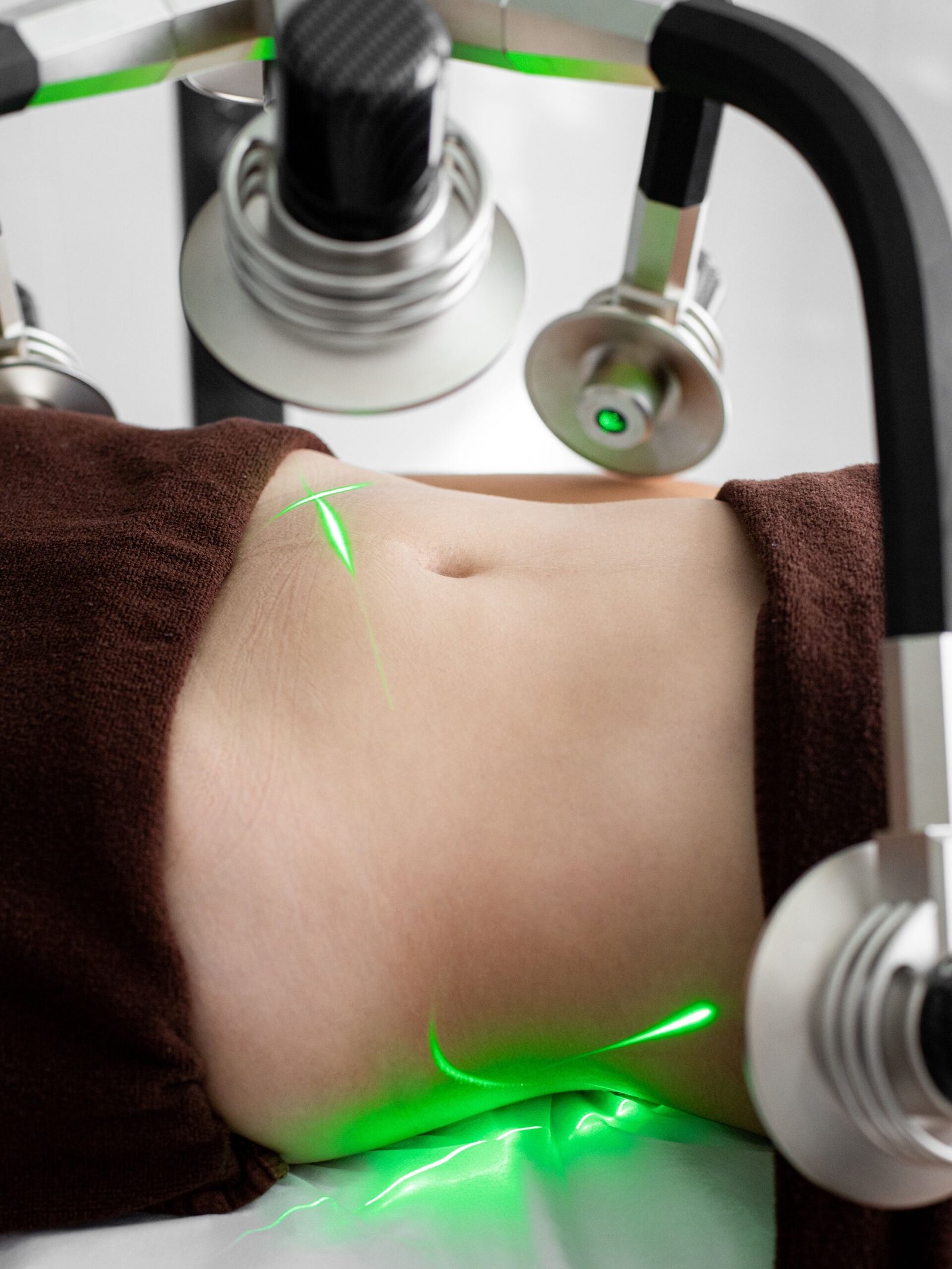
Choosing to undergo a cosmetic procedure is a significant personal decision that requires careful thought and thorough planning. Whether you want to contour stubborn areas of fat or address specific glandular tissue growth, knowing what lies ahead helps ease anxiety. For many residents in the East of England, booking a consultation for liposuction surgery in Cambridge represents the first step toward reclaiming their body confidence. This guide provides a clear, realistic breakdown of what you will experience before, during, and after undergoing body contouring or male breast reduction. By understanding the surgical timeline, you can prepare your mind and body for a smooth, successful transformation.
Understanding the Procedures
To prepare effectively, you must first understand the differences between these two popular surgical interventions. Liposuction is a body-sculpting technique designed to remove localised deposits of fat that resist diet and exercise. Surgeons commonly target the abdomen, hips, thighs, and arms, using a thin tube called a cannula to suction out excess fat cells. It is not a weight-loss tool, but rather a contouring method to refine your natural shape.
Addressing Male Breast Tissue
On the other hand, male chest reduction specifically targets gynaecomastia, a condition characterised by the enlargement of breast tissue in men. This condition often stems from hormonal imbalances, genetics, or certain medications, causing physical discomfort and self-consciousness. Unlike standard fat accumulation, treating gynaecomastia often requires a combination of liposuction to remove fatty tissue and direct excision to remove glandular tissue. Understanding these anatomical differences helps you set realistic expectations for your surgical outcome. Your surgeon will customise the approach based on your skin elasticity and the ratio of fat to glandular tissue in the target areas, ensuring a flatter, more masculine chest contour. Knowing these technical details ensures you can ask informed questions during your initial clinical consultation.
The Pre-Operative Preparation Phase
The weeks leading up to your surgery are vital for ensuring a safe procedure and a rapid recovery. Once you select a reputable clinic for your liposuction surgery in Cambridge, you will undergo a comprehensive pre-operative assessment. During this appointment, your clinical team reviews your medical history, checks your blood pressure, and may perform blood tests to confirm you are fit for general or local anaesthesia.
Lifestyle Adjustments Before Surgery
Your surgeon will provide specific instructions that you must follow diligently. If you smoke or use nicotine products, you must stop at least six weeks before the scheduled date. Nicotine constricts blood vessels, which severely impairs wound healing and increases the risk of post-operative complications. You should also avoid anti-inflammatory medicines, aspirin, and herbal supplements that thin the blood, as these can increase bleeding during and after the operation. Preparing your home in advance also reduces stress. Arrange for a responsible adult to drive you home after the procedure and stay with you for the first twenty-four hours. Stock your kitchen with nutritious, easy-to-prepare meals, and set up a comfortable recovery area with extra pillows to keep your body elevated.
The Day of Surgery and Immediate Aftercare
Arriving at the clinic on the day of your procedure can feel intimidating, but knowing the sequence of events can keep you calm. After checking in, you will meet with your surgeon and anaesthetist. The surgeon will draw precise markings on your skin to map out the treatment areas, ensuring symmetry and precision during the operation.
Waking Up in Recovery
Whether you are addressing stubborn abdominal fat or correcting gynaecomastia, the procedure takes place in a sterile operating theatre under appropriate anaesthesia. Once the surgery is complete, the team transfers you to a recovery ward where nurses monitor your vital signs as you wake up. You will likely feel groggy and experience some mild discomfort, which the nursing staff manages with intravenous pain relief. Before discharging you, the clinical team fits you with a specialised compression garment. This tight-fitting elastic vest or binder plays a crucial role in your recovery. It minimises swelling, supports the newly contoured tissues, and helps your skin adapt to its new shape. You will receive detailed instructions on wound care, medication schedules, and signs of potential complications to watch for at home.
The Recovery Journey and Long-Term Results
Patience is your greatest asset during the recovery phase. The first few days after your liposuction surgery in Cambridge or male chest reduction require plenty of rest. You will experience swelling, bruising, and mild soreness, which usually peak within the first seventy-two hours. Prescribed pain relief and anti-inflammatory medications will help you manage this discomfort effectively.
Gradual Return to Activity
While rest is essential, light walking is encouraged from the day after surgery to promote healthy blood circulation and prevent blood clots. Avoid strenuous exercise, heavy lifting, and vigorous activities for at least four to six weeks, or until your surgeon gives you the clearance. The swelling will gradually subside over several weeks, allowing your new contours to become visible. Many patients notice a significant improvement by week six, but the final results of your treatment for gynaecomastia or general fat removal can take up to six months to fully mature. Maintaining a stable weight through a balanced diet and regular exercise is key to preserving your surgical results over the long term, as remaining fat cells can still expand if you gain weight.
Choosing the Right Surgeon and Clinic
Achieving the best possible outcome depends heavily on the skill and experience of your chosen medical professional. When researching clinics, always verify that your surgeon is fully registered with the General Medical Council (GMC) and holds a specialist qualification in plastic surgery. Memberships in professional bodies such as the British Association of Aesthetic Plastic Surgeons (BAAPS) or the British Association of Plastic, Reconstructive and Aesthetic Surgeons (BAPRAS) offer additional peace of mind.
Evaluating Clinic Standards
During your consultation, ask to see before-and-after photographs of previous patients who underwent similar procedures. This helps you assess the surgeon’s aesthetic style and technical consistency. A reputable surgeon will always provide an honest assessment of what the surgery can achieve and will never pressure you into making a quick decision. They will explain the potential risks, such as asymmetry, scarring, or temporary numbness, ensuring you make an informed choice. Choosing a clinic that offers comprehensive aftercare support guarantees that you have access to expert guidance throughout your healing journey. This ongoing clinical support is invaluable for monitoring your progress and addressing any recovery concerns promptly.
Conclusion
Undergoing body contouring or male chest reduction is a major milestone that can dramatically enhance your self-image and quality of life. Whether you are addressing localised fat deposits or the physical effects of gynaecomastia, thorough preparation and realistic expectations are vital for a positive experience. By selecting a qualified surgeon and strictly adhering to both pre-operative and post-operative guidelines, you minimise risks and set the stage for an optimal recovery. Remember that healing is a gradual process, and the final, refined results require time to manifest. Armed with the right information and professional support, you can approach your upcoming surgical journey with confidence, looking forward to a more comfortable and contoured future.
