
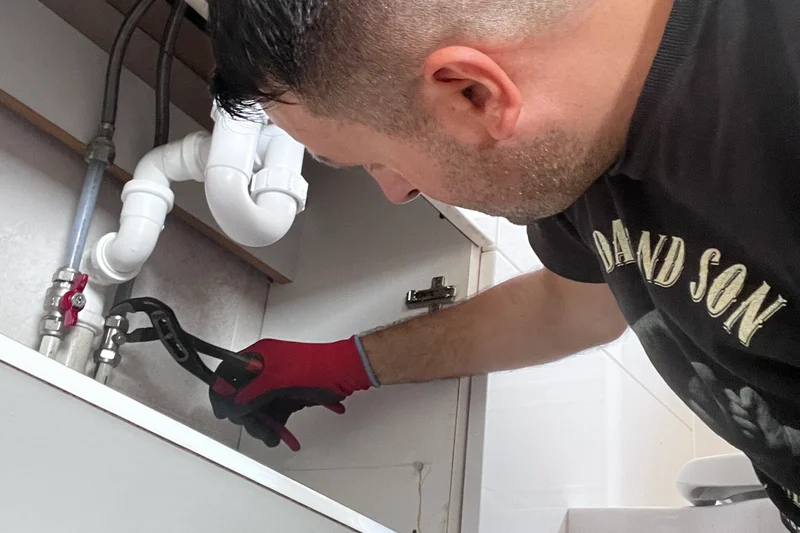
A burst pipe at midnight or a boiler that has stopped working in the middle of winter does not wait for business hours, and neither should the help you call. An emergency plumber deals with problems that cannot sit until Monday: flooding, gas smells, no heating, or water coming through a ceiling. Getting one out quickly limits the damage to your home and stops a small leak turning into a much bigger repair job.
When something goes wrong with your water or heating system outside normal hours, having a number you can actually call matters more than anything else. 0800 Homefix sends qualified engineers out to homes across London for exactly this kind of situation, covering everything from burst pipes to boilers that have been cut out completely, day or night.
An emergency plumber is a qualified tradesperson available outside normal working hours to deal with urgent problems like burst pipes, major leaks, blocked drains, or a boiler that has stopped producing heat or hot water. Call one immediately if there is flooding, a gas smell, or water near electrical fittings.
• Burst pipes and major leaks need immediate attention to limit water damage
• A boiler with no heating in winter counts as an emergency for elderly or vulnerable residents
• Any smell of gas means leaving the property and calling the gas emergency number straight away
• Blocked drains that are overflowing into the home also warrant an emergency call out
What Counts as a Plumbing Emergency?
A plumbing emergency is any fault that risks flooding, structural damage, or leaves a home without heating or hot water for an extended period. This includes burst pipes, uncontrollable leaks, blocked toilets that will not flush, and boilers that fail completely during cold weather.
Signs You Need Emergency Help Right Now
• Water is pooling on the floor or dripping through a ceiling or light fitting
• A pipe has visibly burst or split and cannot be isolated at the stopcock
• The boiler has stopped completely and there are children, elderly relatives, or anyone vulnerable in the house
• Sewage is backing up into a sink, bath, or toilet
• There is a smell of gas anywhere near the property
Not every plumbing issue needs a same day call out. A slow drip under the sink or a slightly noisy radiator can usually wait for a normal appointment, but anything involving standing water, sewage, or gas should be treated as urgent every time.
What to Do While You Wait for a Plumber
A few quick actions can limit the damage before help arrives.
• Turn off the stopcock to stop more water entering the system
• Switch off the boiler and any immersion heater if there is a leak nearby
• Move furniture, electrical items, and belongings away from standing water
• Open a tap downstream of a burst pipe to drain remaining pressure
• Leave the property immediately and avoid using electrical switches if you smell gas
These steps will not fix the underlying problem, but they buy time and reduce the mess an engineer has to deal with once they arrive.
Common Emergency Plumbing Problems in London Homes
Older housing stock, hard water, and ageing pipework mean London properties see a fairly consistent pattern of plumbing emergencies each year. Anyone searching for emergency plumbers London tends to be dealing with one of the following four problems.
1. Burst Pipes and Water Leaks
Cold snaps are the biggest cause of burst pipes, especially in lofts, garages, and any pipework running along an external wall. A pipe that has frozen and then thawed can split without warning, sending water through ceilings and walls within minutes.
2. Boiler Breakdowns
Boilers tend to fail at the worst possible time, usually during the first proper cold spell of the year when they are working harder than they have all summer. A complete loss of heating and hot water in freezing weather counts as an emergency, particularly in a household with young children or elderly residents.
3. Blocked Drains and Overflows
Grease, wipes, and tree roots are the most common causes of blocked drains in London homes. A blockage that causes water to back up into a sink or overflow from an external drain needs prompt attention before it turns into a hygiene problem.
4. Gas Leaks and Smells
Any smell of gas is always treated as an emergency. Leave the property, avoid switching anything electrical on or off, and call the National Gas Emergency Service on 0800 111 999 before contacting a plumber for follow up repairs.
How Leak Detection Specialists Find Hidden Leaks
A specialist engineer uses thermal imaging cameras, acoustic listening devices, and pressure testing to find leaks hidden behind walls, under floors, or beneath concrete slabs without needing to dig up the whole property.
A leak is not always obvious. Rising damp on a wall, an unexplained increase in the water bill, or a warm patch on a floor can all point to a hidden leak that has been running for weeks. Traditional guesswork means lifting floorboards or breaking into walls to find the source, which is disruptive and often unnecessary.
• Thermal imaging spots temperature differences caused by water moving behind a surface
• Acoustic detection listens for the sound of water escaping under pressure
• Pressure testing isolates sections of pipework to narrow down where a leak is coming from
• Tracer gas can be pumped through pipes to pinpoint a leak’s exact location
Finding the exact spot before any digging starts means less mess, a faster repair, and far less making good needed once the leak has been fixed.
Why Boiler Repair London Homes Need a Local Engineer
Fixing a boiler in an older city property is rarely as simple as servicing a modern system in a new build. Victorian terraces, converted flats, and older housing stock frequently have combination boilers squeezed into small cupboards, ageing pipework, and heating systems that have been adapted several times over the years. A local engineer who knows these quirks tends to diagnose the fault faster than someone unfamiliar with the area’s typical setups.
Response time matters too. A local emergency plumber can usually reach a property within an hour or two, compared with a company operating from outside the city that has to factor in travel time before any work can even start.
How to Choose a Reliable Emergency Plumber
Not every callout advertised as emergency cover actually delivers on that promise. A few checks before booking help avoid a longer wait or a rushed, poor quality repair.
• Confirm the plumber is Gas Safe registered if the job involves a boiler or gas appliance
• Ask for a realistic arrival window rather than a vague same day promise
• Check whether the callout includes an upfront assessment before any work begins
• Look for reviews that specifically mention emergency or out of hours work, not just routine jobs
• Ask whether the same engineer will follow up if further work is needed
Getting Help When It Matters Most
A plumbing emergency rarely happens at a convenient time, and the difference between a manageable repair and a serious insurance claim often comes down to how quickly someone qualified gets to the property. 0800Homefix works with engineers across London who handle everything from burst pipes and blocked drains to full boiler breakdowns, and having that kind of cover in place before something goes wrong means one phone call is all it takes to get the problem sorted.
Frequently Asked Questions1. What counts as an emergency plumbing job?
Burst pipes, uncontrolled leaks, sewage backing up, a complete boiler breakdown in cold weather, and any gas smell all count as plumbing emergencies that need same day attention.
2. How quickly can an emergency plumber usually arrive?
Most emergency plumbers in London aim to reach a property within one to two hours of a call, though this can vary depending on demand and how far the engineer needs to travel.
3. What should I do if my boiler suddenly stops working?
Check the pressure gauge and reset the boiler following the manufacturer’s instructions first. Call a qualified engineer if there is still no heating or hot water, particularly during cold weather.
4. Is a blocked toilet considered an emergency?
A single blocked toilet with another one available in the house usually is not urgent, but a blockage that is the only toilet in the property or is causing sewage to back up should be treated as urgent.
5. How do I find a hidden water leak in my house?
Look for warm patches on flooring, unexplained damp patches on walls, or a rising water bill with no obvious cause, then call a leak detection specialist who can pinpoint the source using thermal imaging or acoustic equipment.
6. What should I do if I smell gas in my home?
Leave the property immediately, avoid using any electrical switches, and call the National Gas Emergency Service on 0800 111 999 before contacting a plumber for any follow up repairs.
7. Can I stop a burst pipe myself before the plumber arrives?
Turning off the stopcock and switching off the boiler will slow the flow of water, but the pipe itself still needs a qualified plumber to repair it properly.
8. Do emergency plumbers charge more for out of hours callouts?
Most emergency plumbers do apply a different rate for evening, weekend, or overnight callouts compared with a standard daytime appointment, so it’s worth asking about this when booking.
9. How do I know if I need a boiler repair or a full replacement?
An engineer will usually assess the age of the boiler, the availability of parts, and how often it has broken down recently before recommending whether a repair or replacement makes more sense.
10. Are emergency plumbers qualified to work on gas boilers?
Only plumbers on the Gas Safe Register are legally allowed to work on gas boilers and appliances, so always check for this before booking a repair.
