
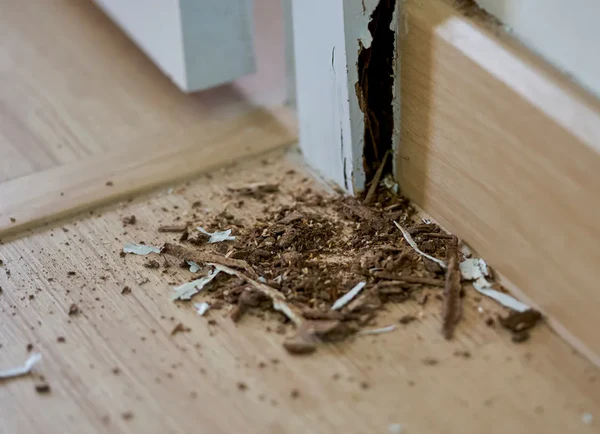
A bathroom renovation often begins with removing tiles, lifting damaged flooring, or opening wall cavities. However, what seems like a straightforward project can quickly become more complicated when mud tubes, hollow timber, or live termites are discovered behind the surfaces. The immediate reaction is usually uncertainty. Should the damaged timber be replaced straight away, or can the renovation continue as planned?
Finding termites during a renovation should never be treated as an ordinary building defect or simply covered over with new materials. The decisions made at this stage can affect both the success of the renovation and the long-term protection of the property. Acting too quickly without understanding the extent of the infestation may allow termites to continue damaging hidden structural timber even after the new bathroom is complete. Mud tubes and hollow wood are common signs that termite activity may already be established within concealed parts of the building.
Stop Work in the Affected Area
Once termite activity is discovered, renovation work should pause in the affected section of the bathroom until the situation has been properly assessed. Continuing demolition or replacing materials immediately can make it much harder to determine how far the infestation has spread.
Damaged timber should not be removed straight away, visible termites should not be sprayed with household products, and mud tubes should not be broken apart simply to see what is underneath. Opening additional walls without a clear inspection plan or sealing the affected area before assessment can also complicate the investigation. Even disposing of damaged materials too early may remove valuable evidence that helps determine the extent of termite activity.
When termites are disturbed, they often retreat deeper into hidden structural areas or establish new pathways, making future detection and treatment more difficult.
Do Not Assume the Problem Is Limited to the Bathroom
Visible termite activity inside a bathroom does not necessarily mean the infestation is confined to that room. Bathrooms provide favourable conditions because they contain plumbing, concealed wall cavities, consistent moisture, and timber framing that can support termite activity.
Once termites gain access, they may also spread through wall frames, floor joists, subfloor timbers, nearby bedrooms, roof supports, external walls, door frames, and plumbing penetrations. The visible damage discovered during renovation may represent only a small section of a much larger colony operating elsewhere within the property.
A thorough inspection is therefore essential before assuming that replacing the damaged bathroom materials alone will solve the problem.
Arrange a Professional Termite Inspection
Before renovation work resumes, the property should undergo a detailed termite inspection. This assessment helps determine whether the termites are still active and whether the damage is caused by termites, moisture, timber decay, or a combination of these issues.
The inspection typically includes examining surrounding rooms, structural framing, concealed cavities, moisture conditions, possible entry points, and any existing termite management systems. It also helps establish the extent of visible activity and identify the most appropriate treatment strategy.
Without a proper inspection, it is difficult to know whether the visible damage reflects an active infestation or older termite activity that has already ceased.
Find Out Why Termites Reached the Bathroom
Eliminating visible termites alone is rarely enough if the conditions attracting them remain unchanged. Bathrooms often contain several factors that support termite activity, particularly ongoing moisture problems.
Leaking shower waterproofing, damaged plumbing, poor drainage, trapped moisture beneath flooring, timber in contact with soil, cracks around plumbing penetrations, concealed wall cavities, inadequate subfloor ventilation, and damaged termite barriers can all contribute to termite access.
Identifying and correcting these underlying conditions forms an important part of effective Termite Control because untreated moisture problems can continue attracting termites even after treatment has been completed.
Determine Whether the Timber Is Structurally Safe
Termite treatment and structural repair are two separate processes. While termite management addresses the infestation itself, damaged structural components must also be assessed before renovation continues.
Wall studs, floor joists, bearers, roof supports, subfloor structures, and door frames may all require inspection by an appropriately qualified building professional. Timber that appears sound externally may be extensively hollowed inside, reducing its structural strength.
Replacing finishes before confirming that important structural members remain safe may create additional repair work later.
Complete Termite Control Before Closing the Walls
Walls and flooring should remain accessible until the recommended termite treatment has been completed. Closing wall cavities too early may hide ongoing activity and make future treatment significantly more difficult.
Depending on the construction type and infestation, treatment may involve targeted applications to active areas, dusting or foaming concealed galleries, chemical soil barriers, baiting and monitoring systems, treatment around plumbing penetrations, and correction of conditions that increase termite risk.
Professional Termite Control is essential when active termites are discovered because simply replacing damaged timber may leave the colony or entry route untreated.
Coordinate Pest Control With the Renovation Team
Good communication between the termite specialist and renovation contractors helps ensure that treatment and repair work occur in the correct sequence. Walls or floors may need to remain open while treatment is completed, plumbing leaks repaired, waterproofing installed, or replacement timber fitted.
Inspection access should also be maintained until professionals confirm that the recommended work has been completed.
A qualified Pest control professional should be consulted before the renovation team removes or replaces termite-affected materials to reduce the risk of disrupting treatment or concealing ongoing activity.
Fix Moisture and Construction Issues During the Renovation
Renovation provides an ideal opportunity to address the conditions that may have contributed to the infestation. Repairing leaking pipes, replacing failed waterproofing, improving drainage, sealing gaps around plumbing services, removing timber-to-soil contact, improving ventilation, and protecting new penetrations through treated areas all help reduce future termite risk.
Using suitable building materials where required can also improve long-term protection. Even the most effective termite treatment may not provide lasting results if excessive moisture and accessible entry points remain unchanged.
Do Not Rely on New Tiles or Waterproofing as Termite Protection
New bathroom finishes do not eliminate an existing termite problem. Fresh waterproofing membranes, tiles, grout, cabinetry, and fixtures may simply conceal areas that previously showed warning signs.
Before walls and floors are closed, homeowners should confirm that the recommended treatment has been completed, damaged structural timber has been assessed, moisture problems have been corrected, treatment zones remain undisturbed, required documentation has been provided, and future inspections have been arranged.
Taking these steps helps reduce the likelihood of hidden termite activity continuing behind newly renovated surfaces.
Arrange Follow-Up Monitoring After Renovation
Termite management does not end once the bathroom renovation is finished. Regular follow-up inspections help confirm that termite activity has ceased, assess previously affected areas, evaluate the condition of barriers or baiting systems, identify new moisture concerns, and detect activity elsewhere in the property.
Because renovated walls and floors conceal structural timber, ongoing inspections become even more important for identifying future warning signs before major damage develops.
Treat the Cause Before Continuing the Renovation
Discovering termites during a bathroom renovation can delay the project, but continuing without proper investigation often leads to greater repair costs later. The safest approach is to stop work in the affected area, avoid disturbing termite activity, arrange a professional inspection, and complete the recommended termite management before walls and floors are closed.
Effective Termite Control should address the active infestation, possible entry points, moisture conditions, and long-term risks rather than focusing only on visible damage. Taking these steps during the renovation helps protect both the new bathroom and the rest of the property from future termite activity.
FAQs
Should I stop renovating if I find termites in my bathroom?
Yes. Work should pause in the affected area until the termite activity has been professionally assessed to avoid disturbing the infestation.
Can I simply replace the damaged timber?
Replacing timber alone may not solve the problem if the termite colony remains active elsewhere within the property.
Why are termites attracted to bathrooms?
Bathrooms often provide moisture, concealed plumbing, timber framing, and hidden entry points that create favourable conditions for termite activity.
Can waterproofing stop termites?
No. Waterproofing helps manage moisture but does not eliminate existing termites or prevent all future termite entry.
How do professionals determine whether termites are still active?
A detailed inspection evaluates mud tubes, timber damage, moisture conditions, and other indicators to determine whether termite activity is current or historical.
Why are follow-up inspections important after renovation?
Regular inspections help confirm that termite activity has ceased, monitor treated areas, identify new risks, and protect concealed structural timber over the long term.
