
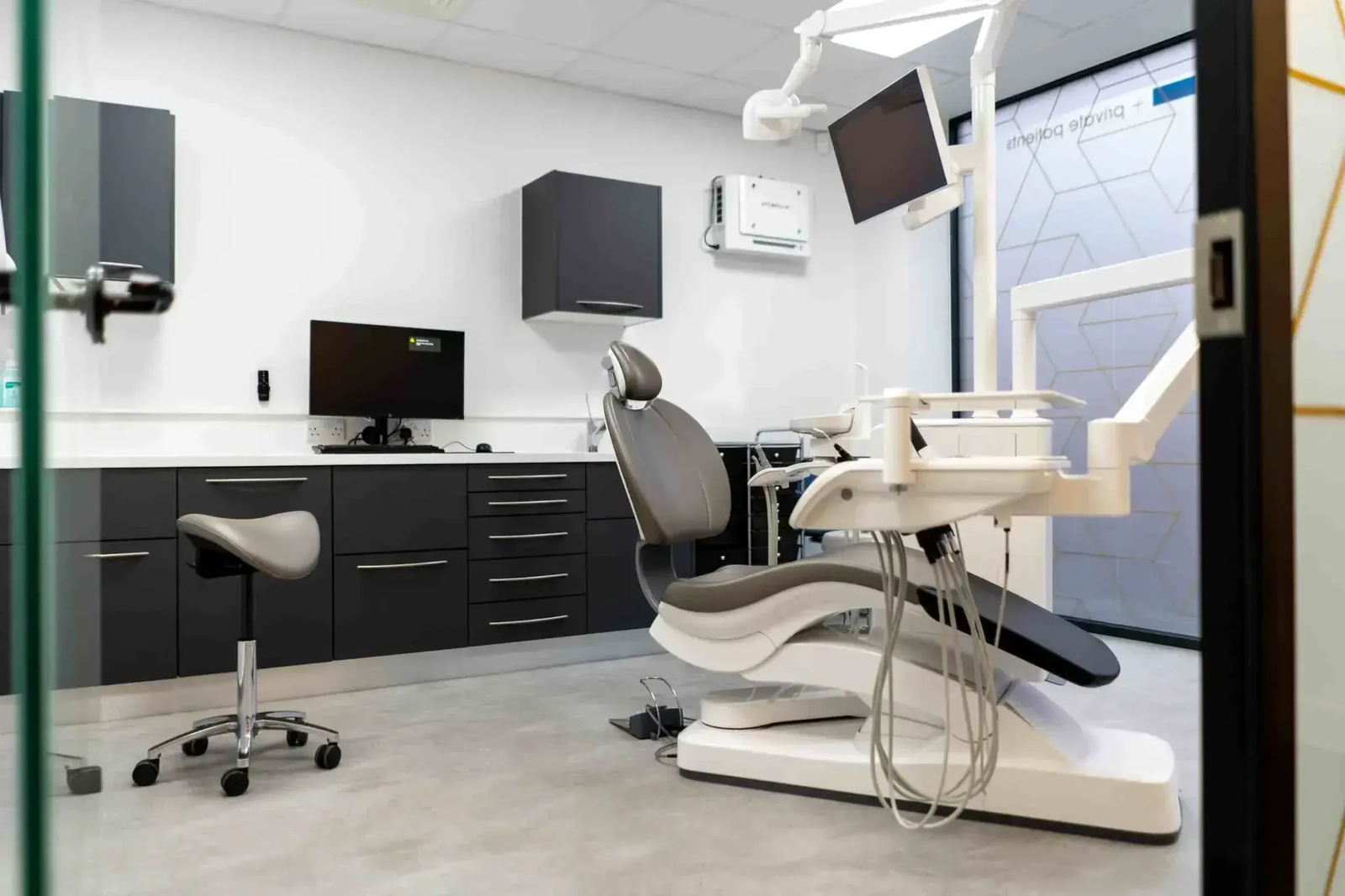
Refurbishing a dental practice is often delayed far longer than it should be, simply because of the perceived disruption to a running clinical operation. Patients booked for months ahead, staff schedules already set, and revenue that depends on consistent appointment availability all make the idea of closing for a refurbishment feel genuinely daunting. But with careful planning, a dental refurbishment can be carried out with significantly less downtime than most practice owners expect, keeping the business running while the work gets done.
Why Downtime Concerns Often Hold Practices Back Unnecessarily
Many dental practice owners delay much-needed refurbishment work simply because they assume it will require closing the practice entirely for an extended period. While some projects do require a full closure, a significant amount of refurbishment work can be planned and sequenced in ways that keep at least part of the practice operational throughout.
Why This Matters for Practice Owners
- Lost revenue during a closure can be substantial, particularly for established practices with a full appointment book
- Patients may seek treatment elsewhere if they cannot get appointments during a closure period
- Staff continuity becomes harder to maintain if a closure runs longer than initially planned
- A well-planned, phased approach often costs less overall than a rushed full closure followed by reopening pressure
Phased Refurbishment: Working Section by Section
One of the most effective ways to reduce downtime during a dental surgery renovation is to divide the project into clearly defined phases, allowing parts of the practice to remain operational while other areas are being worked on.
A Typical Phased Approach
| Phase | What Happens | Practice Impact |
| Phase 1 | Refurbish one treatment room while others remain in use | Reduced capacity, but practice stays open |
| Phase 2 | Move to a second treatment room once the first is complete | Capacity returns to normal in the completed room |
| Phase 3 | Refurbish reception and waiting areas during quieter hours | Minimal disruption if scheduled carefully |
| Phase 4 | Final snagging and finishing touches | Little to no impact on day-to-day operation |
This approach requires more detailed planning upfront than a single full closure, but it allows the practice to keep generating revenue and seeing patients throughout most of the project.
Scheduling Work Around Practice Hours
Where the nature of the work allows, scheduling the noisiest or most disruptive elements of a dental surgery refurbishment outside normal working hours significantly reduces the impact on day-to-day operations.
Work That Can Often Be Scheduled Out of Hours
- Structural work, such as removing or building partition walls
- Major electrical or plumbing installation
- Flooring replacement in areas not currently in clinical use
- Painting and decorating in completed sections
A contractor experienced specifically in dental sector refurbishment will understand the importance of this scheduling flexibility and plan the project around it from the outset, rather than treating it as an afterthought.
Managing Patient Communication Throughout the Project
Keeping patients informed throughout a refurbishment project, even one designed to minimise disruption, helps maintain trust and reduces the likelihood of patients being caught off guard by temporary changes.
What Good Patient Communication Should Include
- Advance notice of the refurbishment, including the expected timeline and what improvements patients can look forward to
- Clear information about any temporary changes to entrance, parking, or waiting areas during the works
- Reassurance that clinical standards and safety are being maintained throughout the project
- Updates at key milestones, particularly if the project runs over multiple months
Patients are generally understanding of refurbishment work, provided they are kept informed and the practice continues to deliver a professional, organised experience throughout.
Protecting Clinical Standards During an Active Refurbishment
A genuinely important consideration during any phased dental surgery refurbishment is ensuring that ongoing clinical work is not compromised by construction activity happening elsewhere in the building. Dust, noise, and disruption to building services all need to be carefully managed.
How Clinical Areas Are Protected During Works
- Physical barriers and dust containment measures between construction areas and active clinical spaces
- Careful management of building services, such as water and electricity, to avoid unplanned interruptions to areas still in use
- Strict adherence to infection control requirements in any areas remaining open to patients
- Clear protocols agreed with the contractor about what happens if an issue arises that affects a clinical area unexpectedly
Choosing a Contractor With Genuine Dental Sector Experience
Not every building contractor understands the specific operational sensitivities of refurbishing a working dental practice. A contractor experienced in this sector will plan around clinical hours, understand infection control requirements, and anticipate the kind of disruption that genuinely matters to a practice trying to stay open.
What to Ask a Potential Refurbishment Contractor
- Have they completed phased refurbishment projects in active dental practices before?
- How do they plan to minimise noise and disruption during clinical hours?
- What measures do they take to protect infection control standards in areas remaining open?
- Can they provide a realistic, detailed timeline broken down by phase?
Weighing Up Phased Work Against a Shorter Full Closure
In some cases, a shorter full closure may actually be more cost-effective and less disruptive overall than an extended phased project, particularly for smaller practices with limited space to work around. The right approach depends on the specific layout, the scope of the work, and how much flexibility the practice has to manage reduced capacity during a phased project.
Conclusion
A dental surgery renovation does not have to mean closing the doors and losing months of revenue and patient continuity. With careful phased planning, sensible scheduling around clinical hours, and a contractor who genuinely understands the sector, most refurbishment projects can be completed with significantly less disruption than practice owners initially expect. Divo Interiors specialises in exactly this kind of carefully managed refurbishment, helping dental practices upgrade their premises while keeping downtime to a genuine minimum.
Author Bio: UV Jadeja
UV Jadeja, the head honcho at Divo Interiors Ltd in London, has spent a significant number of years in the commercial fit-out and refurbishment industry, specialising in dental practices. Under his leadership, the company has designed and renovated clinics of some of the most well-known dental practices in the country. He often shares his insights & extensive industry knowledge with the general public through engaging blog posts.
