
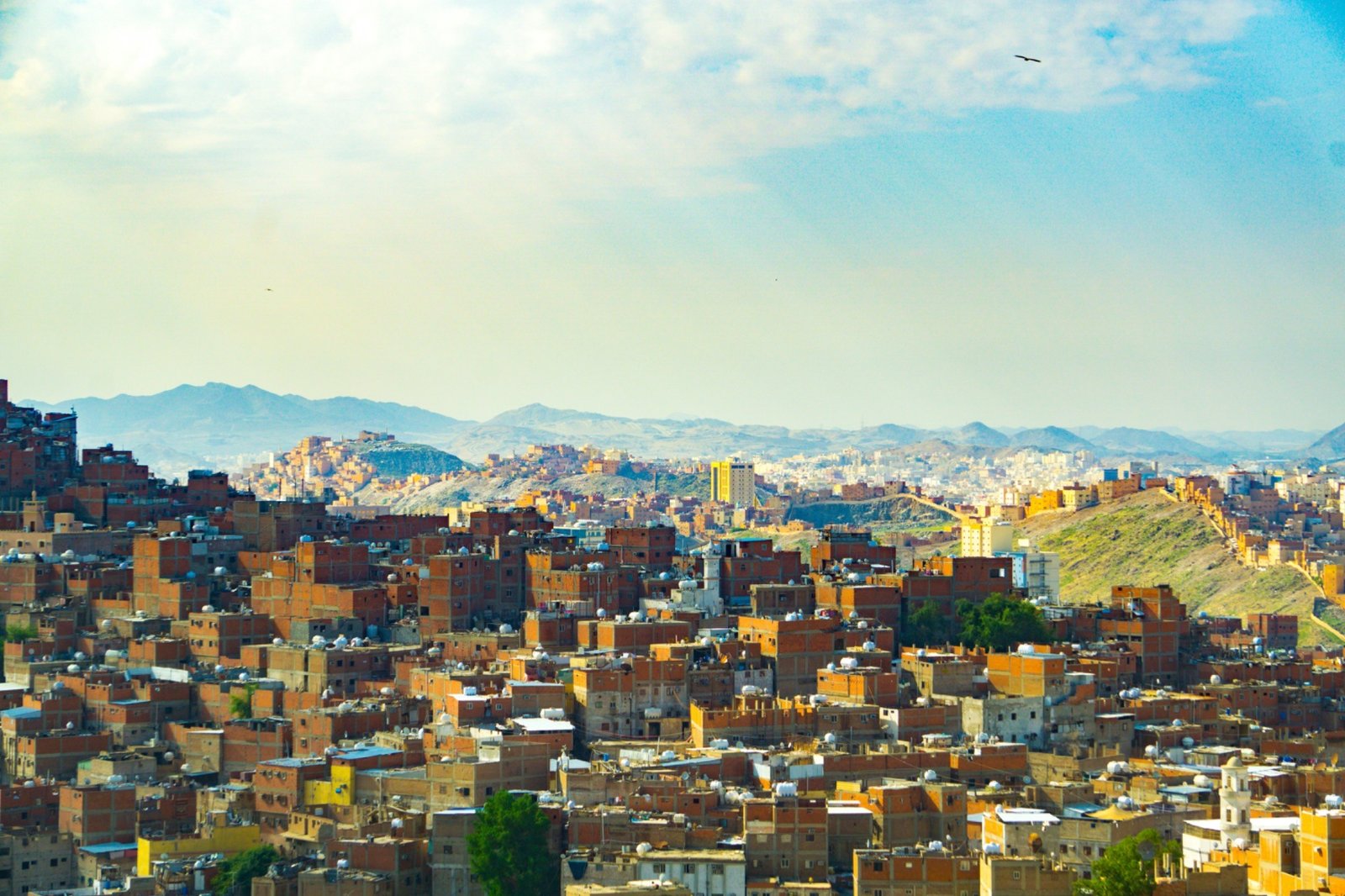
Saudi Arabia is home to some of the world’s most significant cultural and spiritual landmarks. Ancient trade routes, magnificent mosques, traditional desert settlements, and rapidly developing cities combine to create a destination where history and modernity exist side by side. Visitors exploring the Kingdom discover remarkable architecture, welcoming hospitality, dramatic landscapes, and centuries of cultural traditions that continue to shape everyday life. Beyond its religious importance, Saudi Arabia offers travellers an opportunity to experience a fascinating blend of heritage and contemporary development.
A Meaningful Journey Between the Holy Cities
One of the country’s most important rail connections is the train from Medina to Mecca, providing a comfortable and efficient link between two of Islam’s holiest cities. The modern railway allows eligible travellers to move smoothly between these historic destinations while appreciating the surrounding desert landscapes.
The service has transformed travel by reducing journey times and offering a relaxing alternative to road transport. Spacious seating, modern facilities, and dependable schedules make the experience convenient while respecting the significance of the route.
For many passengers, the journey itself becomes an important part of a wider cultural and spiritual experience.
Modern Rail in a Historic Land
The Haramain High Speed Railway represents Saudi Arabia’s commitment to combining world-class infrastructure with its rich heritage. Connecting several major cities in western Saudi Arabia, the railway has become an essential part of the country’s modern transport network.
Travelling by high-speed rail allows visitors to appreciate changing landscapes while enjoying excellent comfort and efficiency. The railway also supports tourism by making it easier to visit important historical and cultural destinations throughout the region.
Its development reflects the country’s broader efforts to improve accessibility while preserving the significance of its historic sites.
Medina’s Peaceful Atmosphere
Medina occupies a special place in Islamic history and is widely admired for its peaceful character. The city combines spiritual importance with attractive public spaces, beautifully maintained streets, and a welcoming atmosphere that encourages reflection.
Visitors are often impressed by the harmony between historic landmarks and carefully planned modern development. Museums, cultural centres, and traditional markets help preserve the city’s heritage while introducing guests to local customs and craftsmanship.
The calm surroundings distinguish Medina from many other major cities and contribute to its enduring appeal.
Mecca’s Enduring Significance
Mecca holds profound importance for Muslims around the world and welcomes millions of pilgrims every year. The city has developed extensive infrastructure while remaining centred on its spiritual purpose.
Modern facilities support visitors throughout their stay, demonstrating how tradition and innovation can work together to accommodate large numbers of travellers. The surrounding landscape also reflects the historical routes that have connected pilgrims to the city for centuries.
The continuous care devoted to preserving the city’s importance while improving visitor experiences highlights Saudi Arabia’s ongoing commitment to its cultural and religious heritage.
The Beauty of Traditional Desert Architecture
Saudi Arabia’s architectural heritage extends well beyond its major cities. Throughout the country, traditional settlements feature buildings constructed from locally available materials designed to withstand the desert climate.
Thick walls, shaded courtyards, narrow streets, and decorative wooden details demonstrate generations of practical knowledge adapted to challenging environmental conditions. Many restored heritage districts now allow visitors to appreciate these architectural techniques while learning about everyday life in earlier centuries. These historic communities reveal the ingenuity that shaped settlements across the Arabian Peninsula.
Historic Districts and Cultural Preservation
Several cities throughout Saudi Arabia have invested significantly in preserving historic neighbourhoods where traditional buildings continue to tell the story of the Kingdom’s past. Walking through these districts introduces visitors to winding streets, restored homes, artisan workshops, and cultural exhibitions.
Local museums explain the evolution of trade, craftsmanship, and architecture while highlighting the importance of preserving historic landmarks for future generations. These restoration projects allow heritage to remain an active part of modern urban life rather than simply becoming museum exhibits.
The Desert Landscape
The Kingdom’s deserts remain among its most striking natural features. Vast dunes, rocky plateaus, dramatic escarpments, and open horizons create scenery that has inspired travellers for centuries.
Guided desert excursions allow visitors to experience spectacular sunsets, traditional hospitality, and peaceful nights beneath exceptionally clear skies. These landscapes have long shaped local customs, trade routes, and methods of survival, making them an essential part of Saudi Arabia’s heritage.
The contrast between ancient desert environments and modern cities adds another fascinating dimension to the journey.
Traditional Hospitality and Local Cuisine
Hospitality has always been deeply valued throughout Arabian culture. Visitors are frequently welcomed with Arabic coffee, dates, and generous meals that reflect regional traditions passed down through generations.
Cuisine varies across different parts of the country but commonly features fragrant rice dishes, grilled meats, freshly baked bread, and carefully balanced spices. Local markets provide opportunities to discover traditional ingredients, handcrafted products, and authentic regional specialities.
Sharing meals remains an important expression of friendship and community throughout Saudi Arabia.
Planning a Cultural Journey
Travellers interested in Saudi Arabia’s heritage benefit from allowing enough time to experience both major cities and lesser-known cultural destinations. Combining historic districts, museums, desert excursions, and modern attractions creates a balanced itinerary that highlights the country’s remarkable diversity.
Cooler months generally provide the most comfortable conditions for sightseeing and outdoor exploration. Respecting local customs and cultural traditions also helps visitors gain a deeper appreciation of the places they visit.
A thoughtfully planned journey reveals a country whose history continues to influence its exciting future.
Conclusion
Saudi Arabia offers an extraordinary combination of spiritual significance, architectural heritage, dramatic landscapes, and genuine hospitality. From the historic importance of Medina and Mecca to beautifully preserved desert settlements and impressive modern infrastructure, the Kingdom presents countless opportunities for meaningful exploration. Visitors who take time to discover both its cultural treasures and contemporary achievements will gain a deeper understanding of one of the Middle East’s most fascinating destinations.
