Some ideas are easy to explain. A product is shown, the benefit is obvious, and the customer understands it right away.
Other ideas take more work.
A software platform may involve several steps. A product may have hidden parts. A service may solve a problem that customers feel but cannot describe clearly. In those cases, text and static visuals often fall short.
Animation helps because it turns explanation into movement. It gives brands a way to show the idea, not just describe it. The viewer can see how a process works, how a product moves, or how a service solves a real problem.
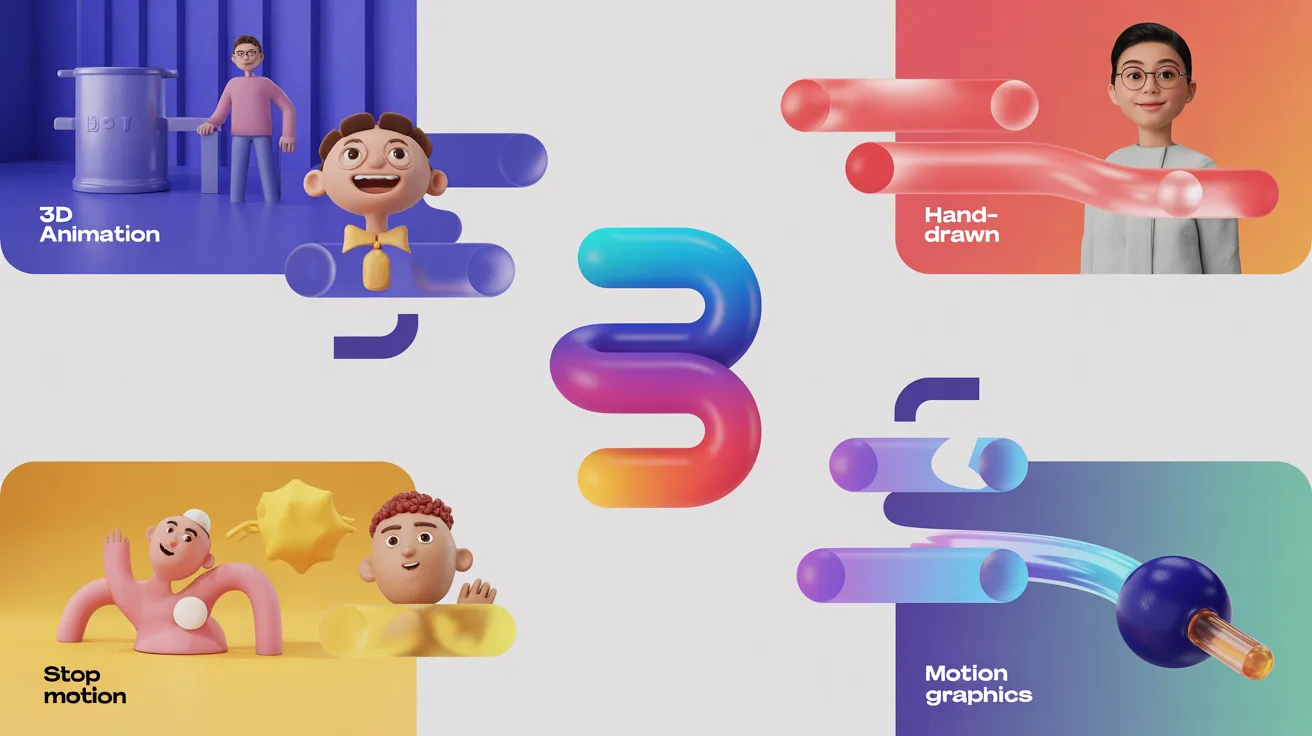
This is why many businesses now use different animation styles depending on the message. Simple ideas may need clean 2D visuals. Technical products may need detailed 3D scenes. The right style makes the message easier to understand.
Animation Gives Shape to Abstract Ideas
Some businesses sell offers that are hard to picture. Think about cybersecurity, logistics, health tech, finance, software, or consulting. These services often depend on systems, workflows, data, or outcomes that the customer cannot physically see.
Animation gives those ideas a visual form.
A customer journey can become a clear path. A cloud platform can become a moving network. A workflow can be broken into small steps. A confusing service can turn into a simple story with a beginning, middle, and result.
That matters because people trust what they can understand.
If the message feels vague, buyers hesitate. If the message feels clear, they are more likely to continue.
2D Animation Works Well for Simple Stories
Not every brand needs realistic product visuals. Sometimes the goal is to explain one idea in the cleanest way possible.
That is where 2D animation services are useful. Flat graphics, icons, characters, typography, and simple motion can make a message feel easier to follow.
This style works well for explainer videos, onboarding content, training videos, service introductions, educational content, and social ads. It keeps the screen clean and guides the viewer through the point without too much visual detail.
For example, a SaaS brand can use 2D animation to show how a user moves from a problem to a solution. A healthcare provider can explain appointment steps. A finance brand can show how customers compare options before making a decision.
The strength of 2D animation is focus. It helps the viewer understand the message without distraction.
3D Animation Helps When Detail Matters
Some products need depth. A flat visual may not be enough when the viewer needs to see the shape, size, texture, movement, or internal parts of something.
A 3D video animation company can create product visuals that show details from every angle. This is useful for medical devices, machines, electronics, industrial tools, real estate, automotive parts, and technical products.
3D animation can reveal hidden components. It can slow down movement. It can show a product in a realistic setting. It can present a prototype before the physical version is ready.
That gives businesses more control over the explanation.
Instead of hoping the customer understands a product from photos, the brand can show how it works in a clear visual sequence.
The Message Should Choose the Style
A common mistake is picking an animation style because it looks trendy or expensive.
That is the wrong starting point.
The better question is: what does the audience need to understand?
If the audience needs a quick explanation of a service, 2D animation may be the better choice. If they need to see product detail, internal movement, or realistic use, 3D animation may make more sense.
A simple service video can become confusing if it is overproduced. A technical product can feel underexplained if the visuals are too basic.
The style should serve the message. Not the other way around.
Animation Helps Buyers Move Past Confusion
Confusion is one of the biggest reasons people do not take action.
They may like the brand. They may need the product. They may even trust the company. But if they do not understand what is being offered, they delay the decision. Animation helps reduce that delay. A short video can answer common buyer questions before they become objections. It can show what the product does, who it helps, how it works, and why it matters. This is especially useful for brands selling high-ticket, technical, or unfamiliar solutions. Buyers need clarity before they feel confident enough to move forward.
Animated Content Works Across Many Platforms
One strong animated video can support more than one campaign.
A full version can sit on a website or landing page. Shorter clips can be used for social media. Small sections can support paid ads, email campaigns, sales decks, webinars, trade shows, or onboarding flows.
This makes animation practical.
A business does not always need a separate asset for every channel. It can create one clear visual story, then adapt it into smaller pieces for different platforms.
That also keeps the message consistent. The same explanation appears wherever the customer meets the brand.
Good Animation Needs a Strong Script
Great visuals cannot save a weak message.
Before animation begins, the script needs to be clear. Who is the video for? What problem does the viewer have? What should they understand by the end?
A strong animated video usually follows a simple path:
- Show the problem
- Introduce the solution
- Explain how it works
- Show the benefit
- End with a clear next step
This structure works because it respects the viewer’s time. It does not make them dig for the point.
Keep the Video Focused
Brands often try to include too much in one video.
They want to cover every feature, every benefit, every audience, and every use case. That usually leads to a crowded video that people forget.
The better approach is to choose one main message.
The video might explain a service. It might show one product feature. It might support a launch. It might help sales teams explain a technical point.
If a detail does not support the main message, it probably belongs somewhere else, such as a brochure, product page, or follow-up deck.
Focused videos are easier to watch and easier to remember.
Clear Animation Builds a Better Brand Impression
Animation affects how people judge a brand.
A clear, polished video can make a business feel more prepared and easier to trust. A messy video can do the opposite.
Good animation does not need to be flashy. It needs to be useful. The movement should guide the viewer. The visuals should support the message. The pacing should feel natural.
When animation is done well, the brand looks sharper because the message feels easier to understand.
Conclusion
Animation helps brands explain ideas with more clarity, structure, and visual impact. 2D animation works well for simple stories, service explainers, and educational content. 3D animation works better when products need depth, detail, or realism. The best choice depends on the message, the audience, and the level of explanation needed. When the style matches the purpose, animation becomes more than a creative asset. It becomes a practical tool for helping people understand and trust the brand.
Frequently Asked Questions
Why Do Brands Use Animation?
Brands use animation to explain products, services, and processes in a visual format that is easier to understand and remember.
Is 2D Animation Good for Business Explainers?
Yes. 2D animation works well for explainer videos because it keeps the visuals simple, focused, and easy to follow.
When Should a Brand Use 3D Animation?
A brand should use 3D animation when it needs to show realistic product detail, internal parts, movement, or technical features.
Can Animation Help With Sales?
Yes. Animation helps sales teams explain complex ideas faster and gives buyers a clearer understanding before making a decision.
How Long Should an Animated Business Video Be?
Most animated business videos work best between 60 and 120 seconds, depending on the message, audience, and platform.
