
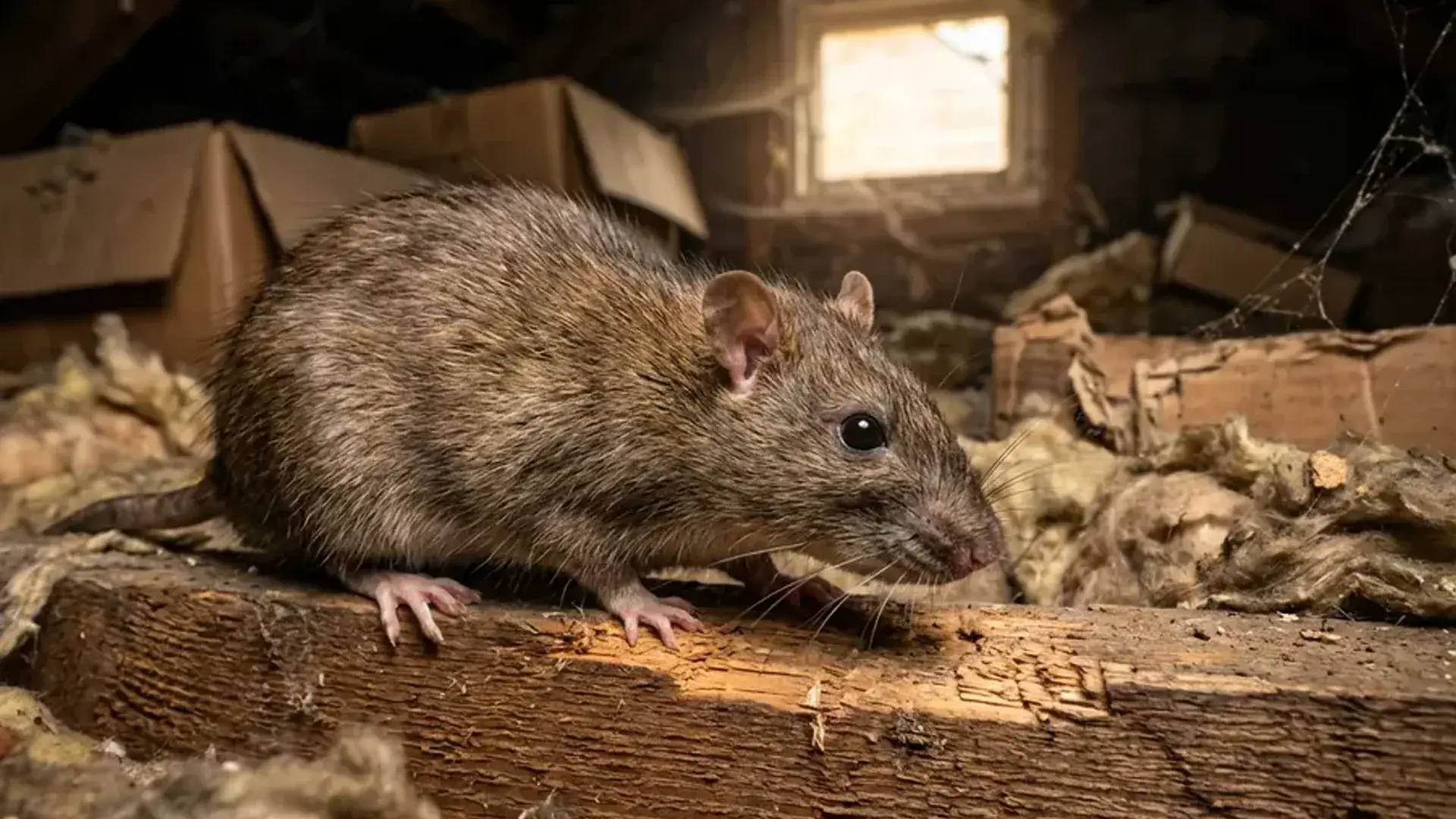
More Than Just an Unwanted Nuisance
Most homeowners think of pests as an inconvenience that disrupts daily life. Discovering termites in timber, rodents in the roof or cockroaches in the kitchen is certainly unpleasant, but the impact often extends far beyond comfort. Pest infestations can gradually affect the condition, presentation and potential market value of a property if they are not addressed promptly.
Whether you plan to live in your home for many years or intend to sell in the future, maintaining a pest-free property is an important part of protecting your investment. Buyers often pay close attention to signs of pest activity, and unresolved infestations can influence their confidence in the overall condition of a home. Building and pest inspections are commonly arranged during property purchases because hidden pest activity or damage can lead to expensive repairs and affect negotiations.
How Pests Affect a Property
Pests can damage a property in several ways, depending on the type of infestation and how long it remains untreated. Some pests cause structural deterioration by damaging timber, insulation or other building materials. Over time, hidden damage may weaken parts of the structure and require significant repairs if left unchecked.
Contamination is another major concern. Rodents, cockroaches and other pests can leave behind droppings, urine, nesting materials and other contaminants that affect hygiene throughout the home. Kitchens, roof spaces, wall cavities and storage areas are particularly vulnerable because pests often establish themselves in locations that remain undisturbed for long periods.
Unpleasant odours may also develop as infestations grow. Nesting materials, waste and dead pests can produce persistent smells that are difficult to eliminate without addressing the source of the problem. Visible evidence such as damaged timber, mud tubes, droppings, chewed materials, grease marks or insect activity can also raise immediate concerns about the property’s condition.
Even when cosmetic repairs conceal some of the damage, experienced inspectors may recognise warning signs that require further investigation.
Why It Matters for Buyers
Purchasing a home is one of the largest financial decisions most people make. Buyers naturally want confidence that the property has been properly maintained and does not contain hidden problems that could result in costly repairs after settlement.
When evidence of pest activity is discovered during an inspection, buyers may become hesitant to proceed with the purchase. Some may request additional inspections, negotiate a lower purchase price or delay the transaction until the issue has been assessed. In more serious situations involving extensive structural damage, buyers may decide not to proceed at all.
Hidden termite damage is a particular concern because structural deterioration may not be immediately visible. Professional inspections can uncover issues that would be difficult for the average buyer to detect during a routine property viewing.
For sellers, unresolved pest problems can therefore reduce buyer confidence, lengthen the sales process and potentially influence the final sale price.
Prevention Is Better Than Repair
The most effective way to minimise pest-related property damage is through early detection and ongoing prevention. Many infestations begin quietly, with only subtle warning signs appearing long before significant damage becomes obvious.
Regular inspections allow potential problems to be identified before pests establish large populations or cause extensive structural deterioration. Sealing entry points, managing moisture, storing food correctly, maintaining gardens and repairing damaged building materials all help reduce the conditions that attract pests.
Routine maintenance also helps preserve the overall condition of the property. Addressing small issues early is generally less disruptive and less expensive than repairing widespread damage after an infestation has become established.
Preventative action not only protects the physical structure but also supports the property’s presentation, which remains an important consideration for future buyers.
Professional Solutions
When pest activity is suspected, professional inspections provide a more comprehensive assessment than relying on visible signs alone. Many infestations develop inside wall cavities, roof spaces, subfloors or other concealed areas where homeowners cannot easily detect them.
Professional Pest Control Redfern services can help identify hidden infestations, locate possible entry points, assess the extent of pest activity and recommend suitable treatment options before more serious damage occurs. Rather than focusing only on pests that are immediately visible, an inspection may also assess environmental conditions that encourage infestations, helping reduce the likelihood of recurring problems.
Early treatment can minimise structural damage, reduce contamination and help maintain the property’s overall condition, making ongoing maintenance more manageable over time.
Protecting Your Property’s Long-Term Value
Owning a home involves protecting far more than its appearance. The structural integrity, cleanliness and maintenance history of a property all contribute to its long-term value and market appeal.
Investing in regular inspections and timely pest treatment can help homeowners identify developing infestations before they become expensive repair projects. Taking action early supports both the immediate condition of the property and its future resale potential.
Even if there are no obvious signs of pests today, routine monitoring remains one of the most practical ways to safeguard a valuable asset. By addressing pest issues promptly, homeowners can reduce unnecessary repair costs while maintaining buyer confidence if they decide to sell in the future.
FAQs
Can pest infestations really reduce property value?
Yes. Significant pest damage, particularly structural damage caused by termites and other timber pests, can reduce buyer confidence and influence property negotiations or sale prices.
Why do buyers request pest inspections before purchasing a home?
Pest inspections help identify hidden infestations and pest-related damage that may not be visible during a standard property viewing or building inspection.
What signs might indicate a hidden pest problem?
Common indicators include droppings, unusual odours, damaged timber, mud tubes, scratching noises, grease marks, nesting materials and visible insect activity.
Is it better to treat pests before selling a property?
Yes. Addressing pest problems before listing a property can improve buyer confidence and reduce the likelihood of unexpected issues arising during inspections.
How often should a property be inspected for pests?
Inspection frequency depends on the property’s age, location, surrounding environment and previous pest history. Regular inspections can help detect problems before major damage develops.
Can early pest treatment save money?
Yes. Detecting and treating infestations early is generally less expensive than repairing structural damage or addressing widespread contamination after pests have become well established.
