
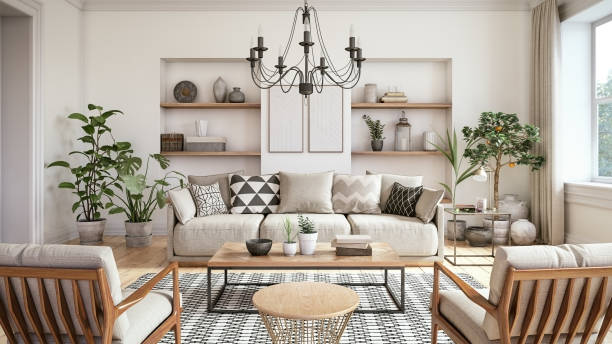
In senior living and aged care environments, furniture selection alone is not enough to ensure resident well-being. The spatial arrangement of furniture plays an equally critical role in promoting mobility, reducing fall risks, and supporting independent living.
For B2B decision-makers and interior designers, optimizing layouts is no longer an aesthetic choice—it is a functional requirement rooted in healthcare safety standards and human-centered design principles. Modern facilities are increasingly adopting layout strategies that prioritize movement efficiency, visibility, and comfort without compromising on a residential feel.
Why Spatial Layout Directly Impacts Senior Mobility
Mobility challenges among seniors are often exacerbated by poorly planned interiors. Narrow pathways, obstructive furniture placement, and inconsistent spacing can significantly increase the risk of falls and limit independence.
A well-structured layout ensures:
- Clear, obstruction-free walking paths
- Logical zoning for dining, relaxation, and social interaction
- Reduced cognitive load through predictable navigation
- Improved accessibility for walkers and wheelchairs
When these elements are integrated correctly, residents experience greater confidence in movement and reduced reliance on staff assistance.
Core Principles of Smarter Furniture Layouts
1. Wide and Predictable Circulation Paths
Senior-friendly environments require circulation routes that are both wide and consistent. Industry standards typically recommend clear pathways that accommodate mobility aids without tight turns or sudden obstructions.
Furniture should be arranged to support natural walking lines, avoiding unnecessary detours that can lead to confusion or fatigue.
2. Zoning for Functional Clarity
Effective layouts divide spaces into clearly defined zones—such as dining areas, reading corners, and social lounges—without creating physical barriers.
This approach enhances orientation, allowing residents to intuitively understand how to navigate the space. Visual cues such as consistent furniture grouping and flooring transitions further reinforce spatial clarity.
3. Edge-Free Movement Design
Sharp corners, tight clusters, and overlapping furniture zones should be avoided. Rounded seating arrangements and modular layouts allow smoother transitions between spaces, especially for wheelchair users and caregivers assisting residents.
Furniture Selection as a Layout Strategy
Furniture is not just placed within a space—it actively shapes how the space functions. Manufacturers like Yumeya Furniture design seating and tables specifically for healthcare environments where durability, hygiene, and mobility support are essential.
Lightweight yet stable chairs, stackable seating systems, and modular tables allow facilities to reconfigure layouts based on activity requirements. This flexibility ensures that spaces remain functional during group activities, medical visits, or quiet periods.
Ergonomically designed seating with proper arm support also assists seniors in sitting and standing with reduced strain, directly contributing to safer mobility patterns.
Creating Environments That Feel Familiar and Safe
Beyond physical safety, emotional comfort plays a vital role in senior care environments. Layouts should reflect residential familiarity rather than institutional rigidity.
This is where design philosophy becomes crucial. The principle of making environments feel like home is achieved by incorporating soft spatial transitions, balanced furniture spacing, and non-clinical arrangements that resemble domestic living rooms rather than hospital wards.
Warm layouts encourage residents to engage more socially, move more freely, and feel less dependent on structured assistance.
Safety, Compliance, and Long-Term Durability
In healthcare and aged care environments, furniture layout must align with strict safety and maintenance requirements. Materials and placement strategies should support:
- Easy sanitation and cleaning access
- Fire safety clearance regulations
- Non-slip movement pathways
- High-traffic durability performance
Durable furniture with reinforced structures reduces the need for frequent repositioning or replacement, ensuring consistency in spatial navigation for residents over time.
Implementation Strategies for Care Facility Designers
Successful layout planning requires a collaborative approach between designers, facility managers, and clinical staff. Key implementation strategies include:
- Conducting mobility flow mapping before furniture placement
- Testing layouts with real mobility aids (walkers, wheelchairs)
- Prioritizing line-of-sight supervision for caregivers
- Maintaining flexible configurations for evolving care needs
Digital space planning tools can further optimize layouts before physical installation, reducing costly redesigns.
Conclusion
Smarter spatial furniture layouts are a foundational element in enhancing senior mobility, safety, and independence. By aligning ergonomic furniture selection with strategic spatial planning, care facilities can create environments that are both functionally efficient and emotionally supportive.
When executed correctly, these designs not only improve physical movement but also elevate the overall quality of life for residents, ensuring that every space supports dignity, comfort, and long-term well-being.
