
Ancient Origins of Incense Burning
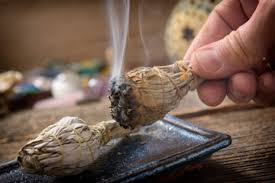
People have burned incense for thousands of years, making it one of the oldest ways humans have intentionally used fragrance in their surroundings. Across ancient civilizations, aromatic materials such as resins, woods, herbs, flowers, and spices were burned for religious ceremonies, household rituals, celebrations, and personal enjoyment. Archaeological and historical evidence shows that incense played an important role in societies throughout Asia, the Middle East, Africa, and the Mediterranean, where valuable aromatic ingredients were often traded across long distances. Frankincense, myrrh, sandalwood, cedar, and other fragrant materials became especially valued because they produced distinctive scents when heated. For many communities, burning incense was more than simply making a room smell pleasant. The rising smoke could represent a connection between the physical world and the spiritual realm, while the fragrance created an atmosphere considered appropriate for prayer, offerings, meditation, or important ceremonies. In some cultures, incense was also associated with hospitality and social status because certain aromatic materials were rare and expensive. Over generations, these practices became traditions passed from parents to children, allowing incense to remain relevant even as societies changed. Today, people may burn incense for completely different reasons, but many modern habits still reflect these ancient connections between fragrance, ritual, atmosphere, and personal meaning.
Spiritual and Religious Significance
One of the most important reasons why people burn incense is its connection with spirituality and religion. Incense is used in numerous religious traditions around the world, although the meaning and method of use vary considerably between communities. In some settings, fragrant smoke accompanies prayer and worship, creating a sensory environment that helps people focus their attention. The upward movement of smoke can also symbolize prayers, intentions, blessings, or offerings rising toward the heavens. Buddhist, Hindu, Christian, and other religious traditions have incorporated forms of incense into ceremonies, although specific practices differ according to cultural and theological beliefs. For someone who regularly participates in a spiritual ritual, the smell of a particular incense may become strongly associated with sacred spaces, meditation, prayer, or meaningful occasions. This association can make incense especially powerful as a personal ritual object. Even people who do not follow a formal religion may adopt incense as part of their own spiritual routines. Lighting a stick or cone can signal the beginning of quiet reflection, meditation, journaling, or another intentional activity. The process itself can encourage someone to slow down and become more attentive to the present moment. In this way, incense can function as a sensory reminder that separates ordinary activities from periods of contemplation and spiritual practice.
Creating a Relaxing and Comfortable Atmosphere
Another common reason people burn incense is simply to create a particular atmosphere at home. Fragrance has a strong ability to influence how people perceive an environment, and incense provides an easy way to introduce a noticeable scent into a room. Some people choose gentle aromas such as sandalwood, lavender, vanilla, cedar, or floral blends when they want their surroundings to feel calm and comfortable. Others prefer richer scents that make a room feel warm, traditional, elegant, or distinctive. Burning incense can become part of an evening routine after work, during reading, while listening to music, or before going to bed. For many individuals, the ritual of lighting incense is almost as important as the fragrance itself. Watching the smoke rise and gradually disappear can create a peaceful visual experience, while the scent provides a consistent sensory background. This can make ordinary activities feel more intentional and enjoyable. However, incense should always be burned with appropriate ventilation and away from flammable objects because smoke from combustion can affect indoor air quality. People who are sensitive to smoke may prefer alternatives such as electric fragrance devices or other non-burning methods. When used responsibly, however, incense can be a simple way to change the character of a living space and make it feel more personal.
Incense and Meditation Practices
Meditation is another major reason people choose to burn incense. Meditation often involves developing concentration and reducing distractions, and a familiar scent can become part of the routine that helps someone transition into a quieter state of mind. When the same fragrance is used repeatedly during meditation, the brain may begin to associate that scent with sitting quietly, breathing slowly, and paying attention. This does not mean incense has a guaranteed psychological effect, but sensory routines can help make habits more consistent and recognizable. Some meditation practitioners enjoy watching the smoke because its slow movement provides a simple visual object for contemplation. Others focus primarily on the fragrance while keeping their eyes closed. Incense can also help establish a dedicated meditation space by giving it a distinctive sensory identity. Over time, entering that space and noticing its familiar aroma may serve as a reminder to put aside everyday concerns. Different fragrances are often selected according to personal preference rather than strict rules. A person may find woody aromas grounding, floral scents pleasant, or mild herbal fragrances refreshing. The important element is often consistency and personal association. For this reason, incense has become popular among people interested in mindfulness and relaxation even when their practice is completely separate from organized religion.
Cultural Traditions and Personal Identity
Incense also carries cultural significance, which explains why many people continue to use it as part of family and community traditions. Fragrances can be closely connected with memories of childhood, religious celebrations, weddings, festivals, family gatherings, or visits to culturally important places. A particular aroma may immediately remind someone of grandparents, a traditional home, a temple, a church, a festival, or an important ceremony. Because scent is closely connected with memory and emotion, these experiences can make incense deeply meaningful. In many families, younger generations learn how to prepare and use traditional incense from older relatives. The practice can therefore become a way of preserving cultural knowledge while adapting it to modern life. Some people burn incense during holidays or special events, while others incorporate it into ordinary household routines. Cultural traditions also influence the ingredients used to make incense. Certain regions have long histories of using local woods, flowers, herbs, and resins, resulting in distinctive fragrances and preparation techniques. Modern consumers can now encounter incense from many different parts of the world, but the cultural stories behind these products remain an important part of their appeal. For people who have moved away from their birthplace or live in multicultural communities, familiar incense can also provide a comforting connection to heritage and tradition.
