
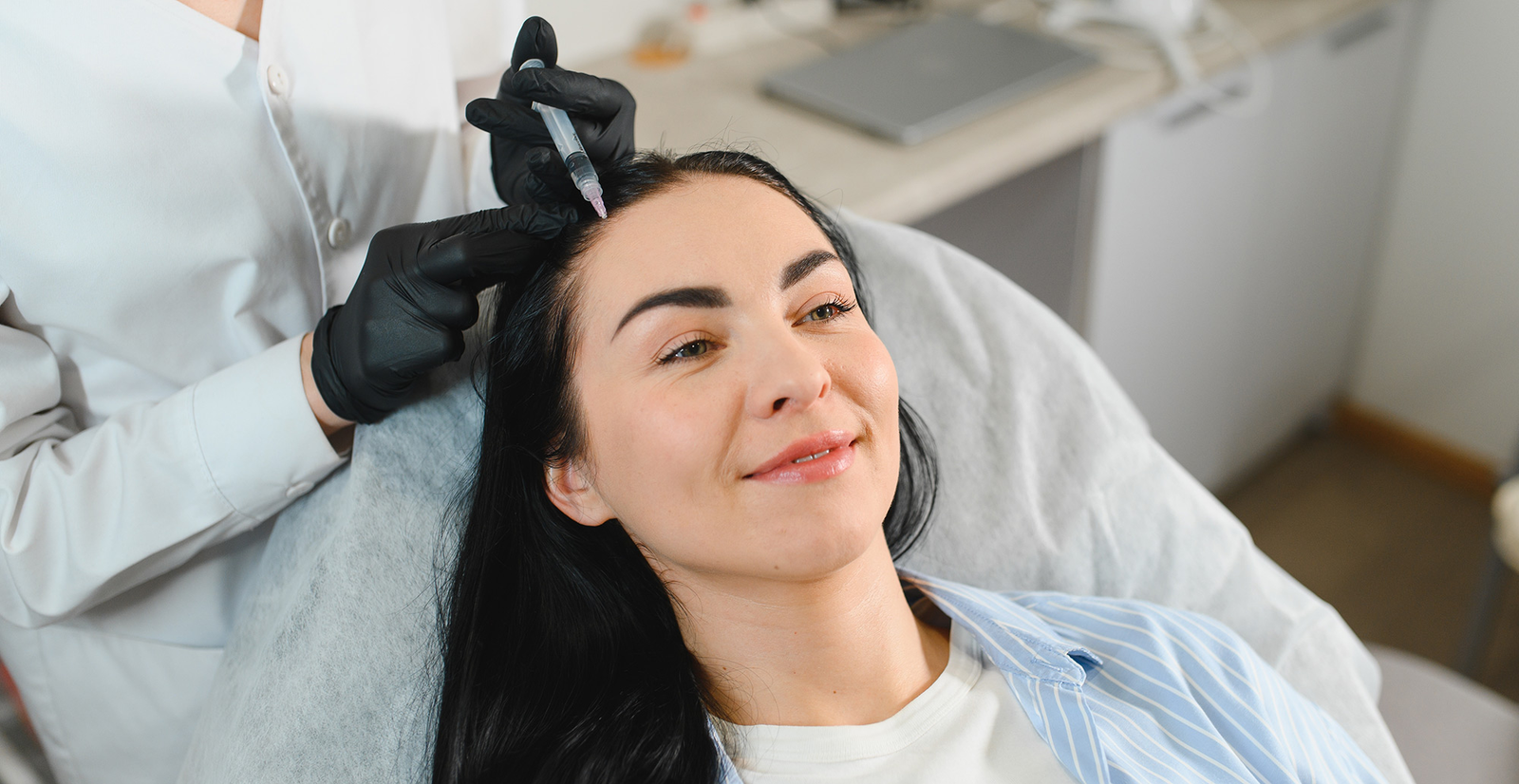
Deciding to undergo hair restoration is a significant step towards reclaiming your confidence. London has become a global hub for advanced restorative procedures, offering cutting-edge clinics and highly experienced surgeons. Whether you are looking into a female hair transplant in London to address thinning along the parting or seeking solutions for a receding hairline, knowing what lies ahead makes the journey much smoother. The process involves meticulous planning, precise surgical execution, and diligent aftercare. Understanding each phase of the journey helps you manage your expectations and prepare both mentally and physically for the transformation. This guide outlines the essential steps from your initial appointment to the final, natural-looking results.
The Pre-Surgery Consultation and Assessment
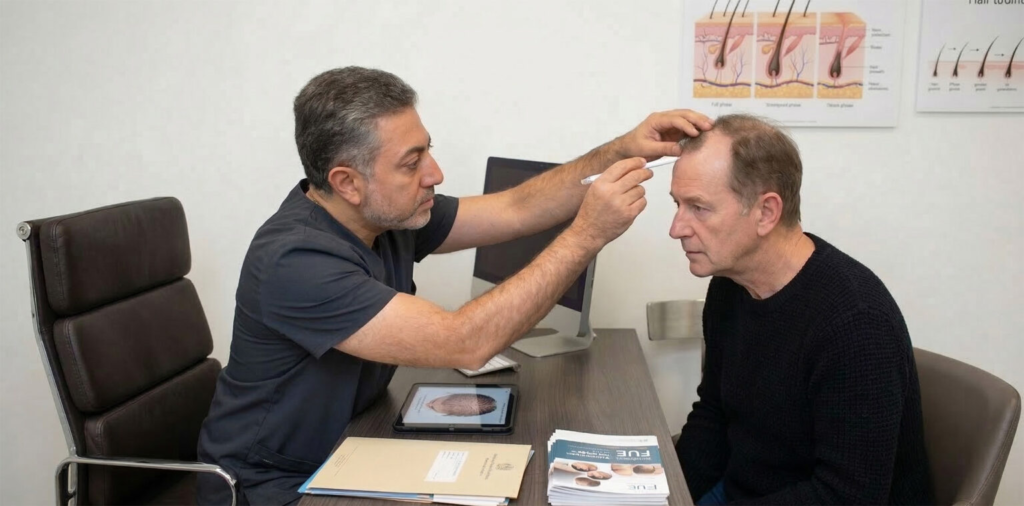
Your journey begins long before the actual day of surgery with an in-depth clinical consultation. During this initial meeting, your surgeon evaluates your scalp health, measures hair density in the donor area, and discusses your medical history. This assessment determines whether you are a suitable candidate for Follicular Unit Extraction (FUE) or Follicular Unit Transplantation (FUT).
Setting Realistic Goals
A vital part of this meeting is designing your new hairline. The surgeon uses specialised markers to draw a proposed hairline that complements your facial structure and age. They will explain how many grafts you need to achieve your desired density. You should use this time to ask questions about the surgeon’s experience, view before-and-after photographs of previous patients, and discuss the total cost of the procedure. Honest communication during this stage prevents misunderstandings later on. The clinic will also provide a bespoke pre-operative plan, detailing specific lifestyle adjustments you must make in the weeks leading up to your surgery. These recommendations typically include avoiding blood-thinning medications, stopping herbal supplements, and cutting down on alcohol and nicotine, as these substances can affect bleeding and healing.
Preparation and Lifestyle Adjustments
The weeks preceding your surgery require careful preparation to ensure your scalp is in the best possible condition. Clinics offering a hair transplant for men in London usually advise patients to stop smoking at least two weeks before the procedure, as nicotine restricts blood flow to the scalp and can hinder graft survival.
Daily Routine Changes
You must also avoid alcohol for several days beforehand, as it can thin the blood and increase bleeding during the extraction and implantation phases. If you regularly use minoxidil or other hair loss treatments, your surgeon will instruct you on when to pause their application. On the morning of the procedure, wash your hair thoroughly with a mild, non-medicated shampoo, avoiding any styling products, sprays, or gels. Wear comfortable, loose-fitting clothing, specifically a button-down shirt or a zipped hoodie. This prevents you from having to pull clothing over your head after the surgery, which could accidentally dislodge the newly implanted hair follicles. Eat a light, nutritious breakfast but avoid caffeine, as it can raise your blood pressure and increase bleeding. Arranging transport home is also essential, as the mild sedatives used during the procedure will make you unfit to drive.
What to Expect on Surgery Day
Arriving at the clinic, you will find a highly organised environment designed to keep you comfortable. The surgical team will review the procedure plan with you one final time before prepping your scalp. For those undergoing a female hair transplant in London, surgeons often use non-shaven techniques to keep the procedure discreet, preserving the length of the surrounding hair to cover the donor site.
The Extraction and Implantation Phases
The procedure begins with the administration of a local anaesthetic to numb both the donor and recipient areas. While you might feel a slight pinching sensation during the initial injections, the rest of the surgery is virtually painless. Once the area is numb, the surgeon extracts individual follicular units from the donor zone, typically at the back or sides of the head. These grafts are carefully sorted and prepared under a microscope. Next, the surgeon creates tiny recipient sites in the thinning areas, paying close attention to the angle, direction, and depth of each incision. The prepared grafts are then carefully placed into these sites. The entire process can take anywhere from four to eight hours, depending on the number of grafts required, so clinics provide regular breaks, lunch, and entertainment options.
The Immediate Post-Operative Recovery
The first few days after your surgery are crucial for graft survival and overall healing. When you leave the clinic, your scalp will be sensitive, and you may experience mild swelling, tightness, or discomfort. The clinic will provide a comprehensive aftercare pack, containing saline sprays, painkillers, and specific washing instructions.
Caring for Your Grafts
Patients who receive a hair transplant for men in London are advised to sleep with their head elevated at a 45-degree angle for the first three to five nights. Using a travel pillow helps prevent the recipient area from rubbing against your bedsheets. You must spray your scalp with the provided sterile saline solution every half hour to keep the grafts hydrated and promote healing. Tiny scabs will form around each graft within the first twenty-four hours; this is a completely normal part of the healing process. Do not pick, scratch, or touch these scabs, as doing so can dislodge the fragile grafts underneath. Avoid strenuous physical activity, heavy lifting, and direct sun exposure for at least two weeks, as increased blood pressure and sweating can compromise the healing incisions and damage the delicate new follicles.
The Long-Term Growth Timeline
Patience is essential when waiting for the results of your hair restoration procedure. Between two and six weeks after the surgery, you will experience a phase known as shock shedding. This is when the transplanted hair shafts fall out. While this can be alarming, it is a normal part of the hair growth cycle, and the healthy roots remain safely embedded beneath the skin.
Seeing the Final Results

By month three, fine, thin hairs will begin to emerge from the treated areas. Over the next few months, these hairs will gradually thicken and darken. Both a female hair transplant in London and a hair transplant for men in London follow a similar timeline, with noticeable cosmetic improvement visible around the six-month mark. However, the final, mature results of your procedure will not be fully apparent until twelve to eighteen months have passed. During this period, attending scheduled follow-up appointments allows your clinical team to monitor your progress, assess graft survival rates, and offer advice on long-term hair maintenance. Once fully grown, the transplanted hair behaves exactly like your natural hair, allowing you to cut, style, and wash it without any special restrictions.
Conclusion
Undergoing a hair transplant is a life-changing decision that requires a clear understanding of the entire process. From the initial clinical consultation to the final growth stage, success depends on choosing a qualified surgeon and strictly adhering to your bespoke aftercare instructions. While the recovery period demands patience and discipline, the long-term boost to your self-esteem and the natural-looking density of your hair make the investment highly rewarding. By knowing what to expect at every stage of your journey in London, you can approach your surgery with confidence, peace of mind, and realistic expectations for a successful outcome.
