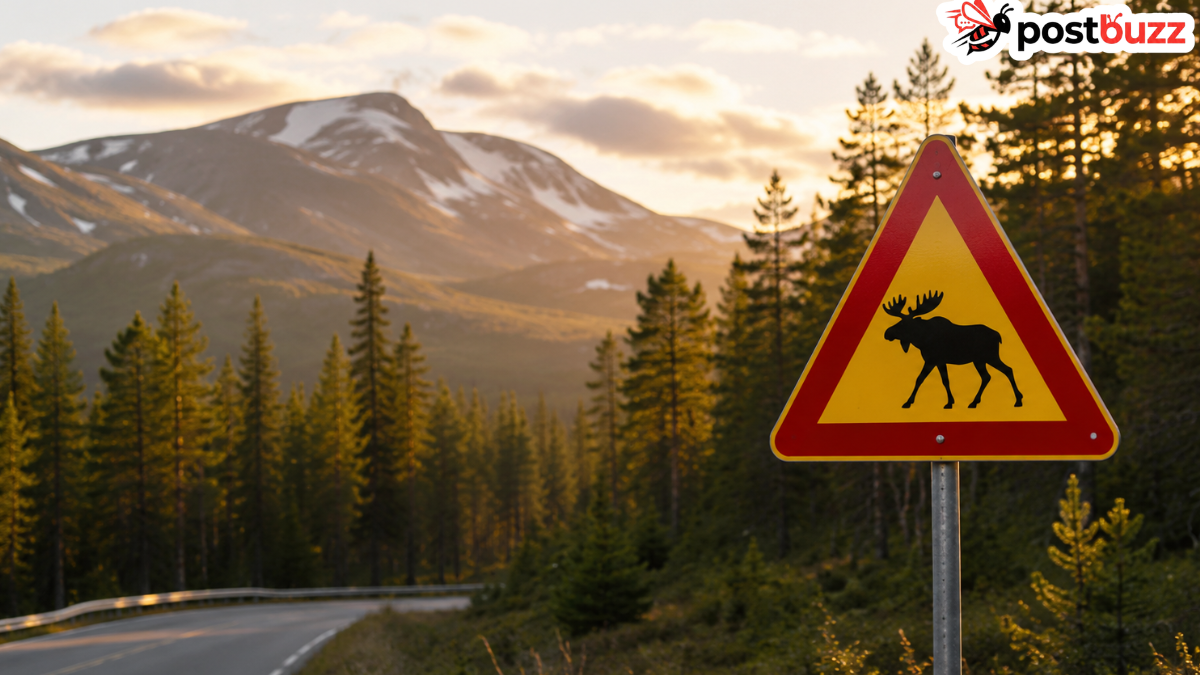
If you are a resident, hunter, or driver in Norway, understanding the role of Viltnemnda is essential. While it is often discussed in the context of hunting and conservation, it also serves as a critical link in public safety and animal welfare.
IMPORTANT EMERGENCY NOTICE
If you have been involved in a collision with an animal or have discovered an injured animal, do not search for a local Viltnemnda telephone number.
- Call 02800 immediately.This connects you to the Norwegian Police, who are mandated to contact the local wildlife response team on your behalf. This is the only legally approved and effective procedure for emergencies.
What is Viltnemnda?
Viltnemnda is the municipal-level Wildlife Management Committee in Norway. It is not a single national organization; rather, it is a decentralized system where each of Norway’s municipalities appoints a local committee to manage wildlife at the community level.
These committees are tasked with implementing the national Viltloven (The Wildlife Act). Their primary goal is to ensure that wildlife populations remain healthy and stable while mitigating the conflicts that arise when human activity overlaps with natural habitats.
Core Responsibilities of the Committee
The Viltnemnda operates as both an administrative body and an operational coordinator. Their duties include:
1. Wildlife Population Management
The committee monitors the health and density of local game species, such as moose (elg), red deer (hjort), and roe deer (rådyr). They analyze population data to set sustainable hunting quotas, ensuring that hunting traditions continue without threatening biodiversity or the ecological balance. If you are interested in learning about other unique animal breeds and their connection to nature, you can also explore our guide on the Black Forest Horse.
2. Emergency Response and “Fallvilt”
When an animal is injured, sick, or killed in a traffic accident—known in Norwegian as fallvilt—the Viltnemnda coordinates the response. This involves:
- Deploying certified ettersøkshund (tracking dog) teams to find wounded animals.
- Making ethical decisions regarding the welfare of injured wildlife.
- Ensuring carcasses are removed from roadsides to maintain public safety.
3. Conflict Mitigation
As urban areas expand, wildlife encroachment into residential zones is common. The Viltnemnda acts as an advisory body to the municipal council, providing solutions for handling “nuisance” wildlife or protecting agricultural property from damage.
How the Reporting System Works
A common mistake is assuming there is a “national Viltnemnda hotline.” Because the committees are local, there is no single number.
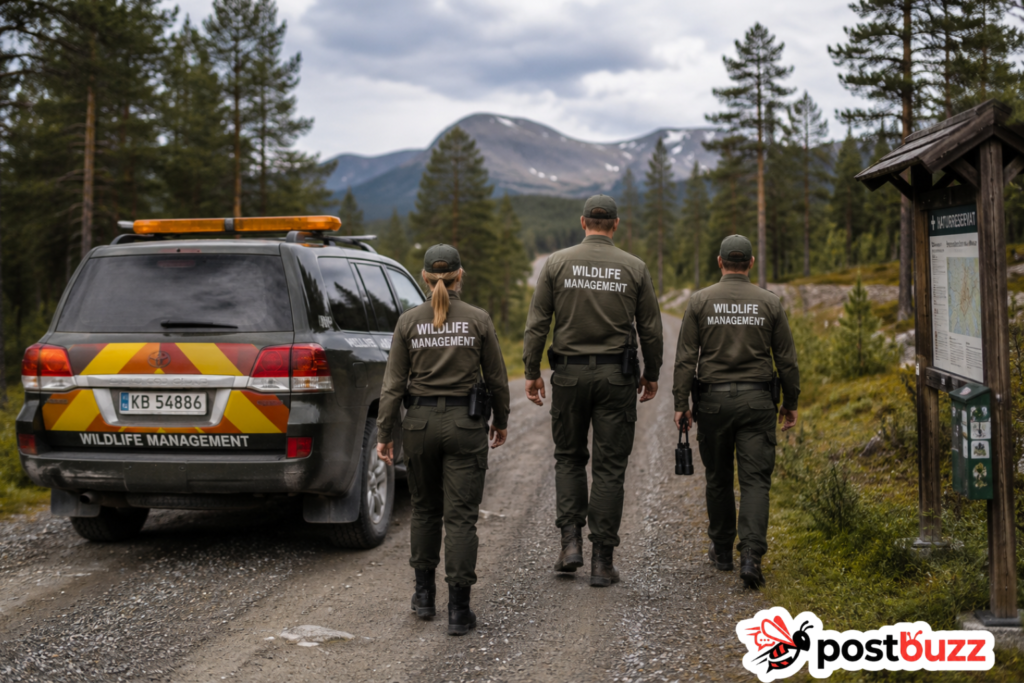
The process is strictly hierarchical:
- The Incident: You spot an injured animal or hit one with your vehicle.
- Immediate Notification: You must call 02800 (Police).
- Coordination: The police log the location and notify the municipal Viltnemnda duty officer.
- Action: The duty officer mobilizes a local tracker to the specific GPS coordinates.
Pro-Tip: If you hit an animal, mark the site with a reflection vest or a piece of cloth so the tracking team can locate the animal’s path quickly. Never leave the site without reporting it; failing to report an animal collision is a legal offense in Norway. For more detailed guidance on how to handle these situations, you can refer to the official Norwegian Public Roads Administration (Statens vegvesen) guidelines.
The Future of Viltnemnda
The role of Viltnemnda is evolving with modern technology:
- Digital Reporting: New systems are being integrated to allow faster reporting of incidents via digital platforms.
- Data-Driven Safety: Committees are increasingly using traffic accident data to work with road authorities on installing better wildlife fencing in high-risk zones.
Conclusion
Viltnemnda is an essential pillar of Norway’s wildlife governance system. By bridging the gap between local policy, environmental conservation, and emergency response, these committees ensure a balanced relationship between humans and nature. Whether you are a hunter following regulations or a motorist navigating Norwegian roads, understanding the role of Viltnemnda helps keep the community and wildlife safe. Through their structured approach, Norway maintains one of the most effective and ethical wildlife management systems in the world.
Frequently Asked Questions (FAQs)
1. Is there a national Viltnemnda telephone number?
No. All wildlife emergencies must be reported to the police at 02800, who will then alert the relevant local committee.
2. Can I contact Viltnemnda for general pest control?
No. Viltnemnda deals with game animals (deer, moose, etc.). For smaller pests (rats, mice, or seagulls) in residential areas, contact your local municipal environmental department (kommunen).
3. What is the role of Viltnemnda in Oslo?
In urban hubs like Oslo, the focus shifts toward “urban conflict management,” specifically securing public areas and managing human-wildlife encounters in parks and residential sectors.
4. Who manages the Viltnemnda?
Members are appointed by the municipal council and typically consist of local politicians and experts with backgrounds in hunting, agriculture, or wildlife biology.
5. Is it mandatory to report a car-animal collision?
Yes. Under Norwegian law, you are obligated to report any collision with large game animals, even if the animal runs away. Failure to report is a punishable offense.
