
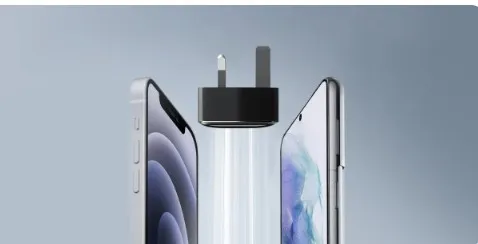
USB-C chargers are now used for smartphones, tablets, laptops, earphones, and more. USB-C chargers are popular because they charge more quickly, have reversible cables, and work with more devices. Modern USB-C chargers use USB Power Delivery, GaN components, and multi-port charging systems for efficiency and convenience. Charger performance varies, so buyers should examine charging speed, device compatibility, portability, and safety features. Knowing the most significant USB-C charger characteristics helps consumers pick dependable charging accessories that promote convenience, safety, and long-term value for daily device charging.
What Features Should You Look for in a USB-C Charger?
Charging Speed, Wattage, and USB Power Delivery
Charging speed strongly affects how quickly USB-C chargers can recharge smartphones, tablets, laptops, and other compatible devices. Higher wattage chargers deliver more power and reduce charging time significantly during daily use and travel. USB Power Delivery technology is especially important because it allows chargers to provide adjustable power output based on connected device requirements automatically. Many modern smartphones and laptops rely on USB Power Delivery for fast and efficient charging performance. However, actual charging speed depends on charger wattage, cable quality, and device compatibility during operation. Buyers should compare supported power levels and charging standards carefully before purchasing. Reliable fast charging support improves convenience, reduces downtime, and provides more efficient charging experiences throughout work, travel, gaming, and regular device use consistently.
Device Compatibility for Phones, Tablets, and Laptops
Device compatibility impacts how well a USB-C charger works with smartphones, tablets, laptops, wireless earphones, and portable gaming devices. Many USB-C chargers offer universal charging, letting consumers charge many devices with one accessory. Laptops need higher-wattage chargers for steady and efficient charging. Smartphones with unique fast charging methods may not charge as quickly with all chargers. Buyers should check wattage, charging methods, and compatible device listings before buying. Strong compatibility increases charging flexibility, lowers the need for various chargers, and simplifies daily charging routines for personal and business electronic devices.
Safety Features, Heat Protection, and Charging Efficiency
Safety is critical since USB-C chargers handle greater power levels that may produce heat. To safeguard connected devices, reliable chargers provide overcharge protection, temperature monitoring, short-circuit avoidance, and automated voltage management. Heat management technologies mitigate overheating concerns that shorten battery life or influence charging stability. Poorly constructed chargers waste energy or provide uneven power output over time. Smart power management algorithms optimise charging performance depending on device needs in several premium USB-C chargers. Before buying a charger, examine safety, cooling, and energy economy. Safety features boost dependability, device protection, and charging performance.
How Do You Choose the Best USB-C Charger for Daily Use?
Single-Port vs. Multi-Port USB-C Chargers
Depending on charging habits and device count, single-port and multi-port USB-C chargers have distinct benefits. Because they charge one item effectively, single-port chargers are smaller, lighter, and simpler to carry while on vacation or commuting. Multi-port chargers enable customers to charge cellphones, tablets, laptops, and accessories from one adaptor. When charging several devices, the total power output may disperse among devices, impacting charging speed. Before choosing a charger, buyers should consider the number of devices, charging priority, and mobility. Choosing the correct port design simplifies charging, lowers cable clutter, and improves everyday device management.
Compact GaN Chargers and Travel-Friendly Designs
Gallium nitride chargers are smaller and lighter than silicon-based chargers and charge more efficiently. The chargers produce less heat while providing substantial power for smartphones, tablets, laptops, and other portable devices. Travel-friendly Compact GaN chargers conserve backpack space and weight without losing charging performance. For easier commuting and foreign travel, many current GaN chargers include foldable connectors and several charging connections. Comparing charger size, power, and mobility is important before buying. Compact and efficient GaN chargers increase travel convenience and provide stable and flexible charging over time.
Cable Quality, Durability, and Long-Term Reliability
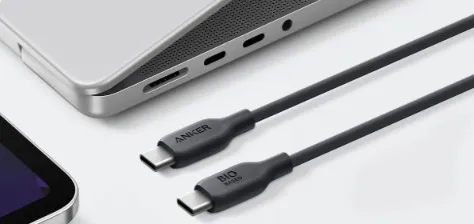
Cable quality strongly affects USB-C charging speed, type c charger performance, connection stability, and long-term charging reliability during regular use. Poor-quality cables might limit charging efficiency, overheat during operation, or fail to meet the higher power supply requirements demanded by contemporary gadgets. Durable cables with reinforced connections and braided outer materials often have superior resilience to bending, twisting, and everyday wear over time. Cable certification is also crucial since certified cables often provide safer and steadier charging performance. Buyers should carefully consider cable construction quality, supported wattage, and compatibility when selecting charging accessories. Reliable cables increase charging consistency, decrease connection issues, and provide safer long-term charging performance for smartphones, tablets, laptops, and other portable electronic devices when used on a regular basis for lengthy durations.
Conclusion
USB-C chargers provide quick, adaptable, and efficient charging for smartphones, tablets, laptops, and other portable gadgets. USB Power Delivery, robust device compatibility, compact GaN technology, and dependable safety protection all have a significant impact on charging performance and customer happiness. Buyers should also consider portability, charging speed, cable quality, and long-term durability while choosing a charger. diverse charger kinds and power levels cater to diverse lifestyles, travel schedules, and professional charging requirements. Understanding the most important USB-C charger features allows users to select dependable charging accessories that improve convenience, support safer device charging, reduce cable clutter, and provide more consistent long-term charging performance during daily home, office, travel, and entertainment use over time.
