
Transit advertising is more than a box to tick in a marketing plan. In Poland, where big cities are busy and public transport is used every day, it can be one of the most visible ways to promote a brand.
So what makes transit advertising in Poland so strong for both regional and national campaigns? It stands out because people see it often, it reaches many different groups, and it can be cheaper than many other channels-while being very hard to ignore.
In Poland, this market is active and creative, using both classic placements and newer digital screens that turn everyday travel into real brand contact. For businesses that want attention across the country-from the historic streets of Krakow to the fast pace of Warsaw-knowing how to use transit advertising in Poland matters a lot.
What Is Transit Advertising and How Does It Work in Poland?
Transit advertising is a type of Out-of-Home (OOH) advertising that places promotional messages on public transport and the spaces around it. This can include ads on buses, trams, trains, metro systems, and taxis, plus ads in places where people wait-like shelters, stations, platforms, and benches. Unlike a billboard that stays in one place, transit ads move around. That means the message travels through different districts and neighborhoods all day long, reaching both regular riders and people walking or driving nearby.
Transit advertising works well because it fits into everyday routines. People often spend time waiting for transport or sitting inside it, so they are likely to see the same ad more than once. This repeated exposure builds brand memory over time. And because it does not depend on social media feeds or screen time, the message stays visible in real life. In Poland, where public transport is a normal part of daily life in many areas, these ads become part of the city view and can influence what people remember and buy.
Key Transit Advertising Formats Used Across Poland
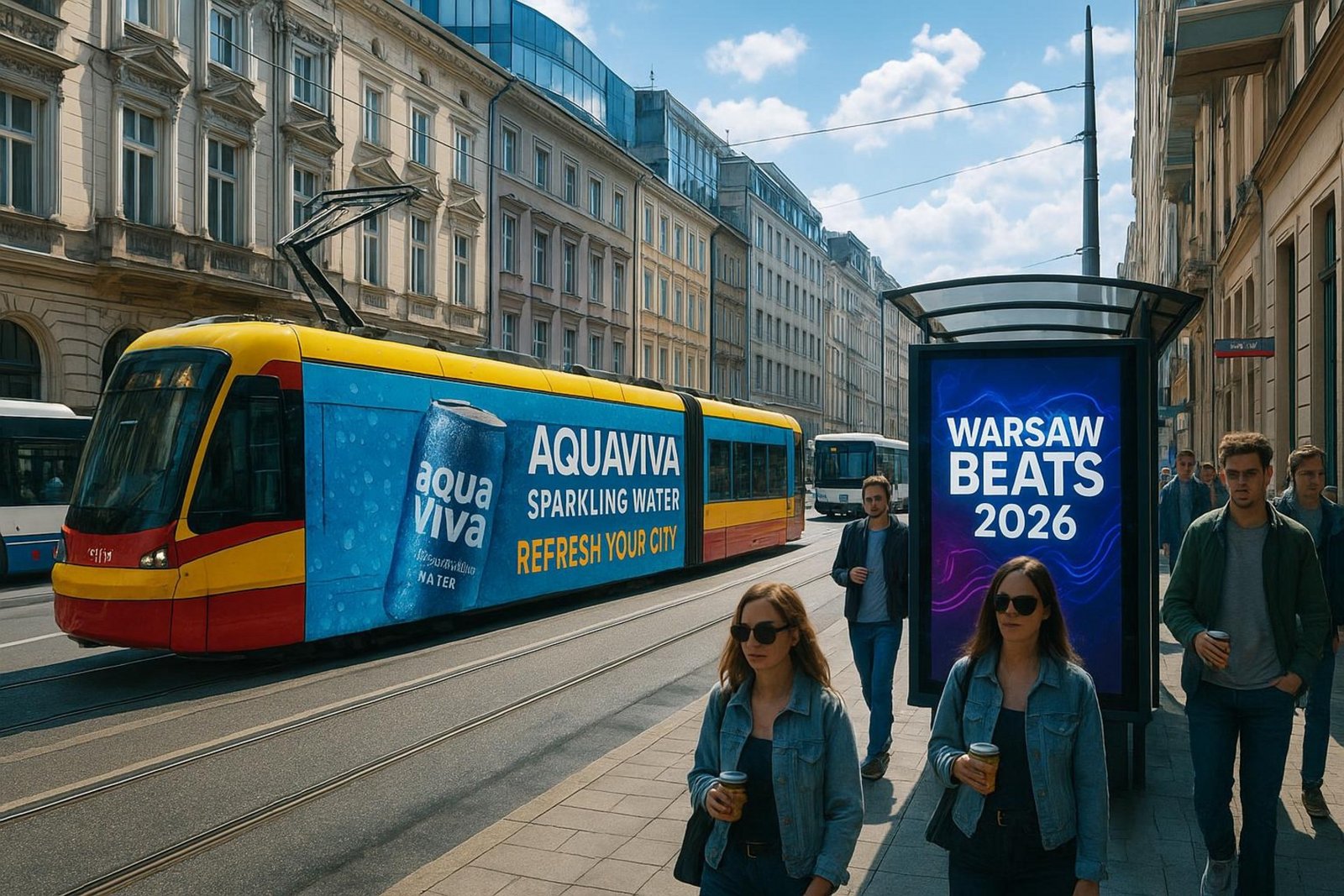
Poland offers many transit ad formats, which gives brands room to be creative. Exterior ads-like full bus wraps or big panels on tram sides-create strong visuals that many people can see as the vehicle moves. These “moving billboards” are great for wide brand awareness and can turn an everyday vehicle into something people notice.
Inside vehicles, interior posters and digital screens reach passengers during the ride. These placements can include more detail, and digital versions can change quickly to show new offers or time-based messages. Outside vehicles, ads in stations, on platforms, and at bus shelters add more chances for people to see the brand. A “station domination,” where one advertiser uses most or all ad space in a transit hub, can create an immersive effect that commuters see again and again.
Where Is Transit Media Deployed: Urban, Regional, and National Networks
Transit media in Poland can cover a lot of ground, so it works for campaigns of different sizes. In large cities like Warsaw, Krakow, and Gdańsk, there are many options because the transport networks are large and busy. Ads placed in key hubs, shopping areas, and business zones can reach commuters, students, and tourists in high numbers.
Transit advertising also goes beyond the biggest cities. It reaches suburban areas where people travel into city centers for work and school, and it can be expanded into regional or national plans. Rural areas usually have fewer options, but as transport connections improve, smaller towns and connecting routes can still offer useful placements. This makes it possible to run local campaigns for specific communities or bigger campaigns that keep the same message across many markets at once.
How Transit Advertising Expands Reach for Regional and National Campaigns
Transit advertising is strong at growing reach because it is mobile and always present in public spaces. It helps brands connect with people across large areas and many audience types, even when other media feel scattered. For product launches in one region or brand campaigns across Poland, transit media can deliver strong reach and repeated exposure.
Public transport in Poland generates a large number of daily trips, which means transit ads can be seen by huge audiences. But it is not just about totals-it is also about timing. People see these messages while they are out in the city, paying attention to their surroundings, and often more open to advertising than when they are trying to skip online ads or switch channels. That makes transit advertising a useful tool for campaigns that need broad coverage.
Wide Geographic Penetration from Cities to Rural Areas
A major strength of transit advertising is how far it can spread a message. A billboard stays in one place, but a bus, tram, or train moves through many areas-residential streets, business zones, and busy crossings. This mobility helps reach people who may never pass the same fixed billboard. For example, one wrapped bus in a Polish city can generate tens of thousands of views in a day as it runs across high-traffic routes.
For a regional campaign, this makes it easier to “cover” a whole metro area or province with repeat visibility. For national campaigns, running similar creative in multiple cities builds a consistent presence across Poland. This helps brands reach both city residents and suburban commuters, connecting audiences across different locations.
Consistent Exposure and Audience Frequency
Commuter habits are a key reason transit ads work. Many people take the same route each day to work, school, or errands. Because of that, they often see the same ad again and again-sometimes 10 or more times per week. High frequency like this is important for brand building because it makes the message stick, unlike quick online impressions that disappear fast.
Waiting time also helps. People spend minutes standing at stops or riding vehicles, and they have fewer things competing for their attention. That creates a “captive” moment where ads can be absorbed. These placements stay visible in all weather and at different times of day, without relying on algorithms. Over time, this supports strong brand recall.
Diverse Demographic Coverage and Inclusion
Public transport in Poland brings together many different people, especially in larger cities. That means transit advertising can reach several groups at the same time: young professionals commuting in Warsaw, students traveling in Poznań, tourists moving around Wrocław, shoppers heading to stores, and workers traveling across town.
This wide mix is helpful for brands with broad appeal or brands that want to grow beyond their current customer base. Instead of targeting a narrow slice of people like some online ads do, transit ads can reach many ages, income levels, and lifestyles at once. That wide coverage can support better market penetration across Polish society.
Advantages of Transit Advertising for Regional and National Brands in Poland
Transit advertising brings a mix of benefits that works well for brands operating across Poland. It combines wide reach with the ability to focus on specific areas, and it gives plenty of room for creative work. For brands that want a strong presence and repeated contact with consumers in different parts of the country, transit media offers a steady platform.
Because the ads move through daily life, they feel like part of the city rather than an interruption. This can make people more open to the message. Also, seeing a brand in public spaces can add credibility compared to online-only campaigns, which can feel less permanent or less trustworthy.
Consistent Reach and Brand Recall Across Multiple Markets
Keeping the same level of visibility in different markets is hard for many brands. Transit advertising helps by giving long-lasting exposure across multiple Polish cities and towns. A campaign can be small-like one neighborhood in Gdynia-or expanded across all major metro areas. This makes it easier to keep the message consistent.
Repeated views drive brand recall. Over time, familiar brands often feel safer and more trusted, which matters when people are ready to buy. National brands can keep one clear voice across Poland, while regional brands can dominate local routes and hubs with strong, repeated presence.
Effective Targeting Through Route and Location Selection
Even with broad reach, transit advertising can still be targeted. Brands can choose specific routes, lines, and stations to focus on certain areas and audiences. For example, a bank may advertise on routes that serve business districts, while a university may focus on lines used by students.
This allows mass reach and local precision at the same time. A healthcare brand could focus on neighborhoods where screenings are most needed. A retailer can advertise on routes that lead to a shopping center and use messaging tied to that location. Choosing the right placements helps spend money where it matters most.
Creative Opportunities for Memorable Brand Storytelling
Transit advertising gives space for bold and memorable creative work. Full wraps can cover a vehicle like a large moving poster, while interior formats can share more details during longer rides. Bus sides and rear panels can carry big visuals. Interior cards can explain benefits or add extra context. Digital screens in Polish stations and vehicles can show changing content, which helps when offers need updates.
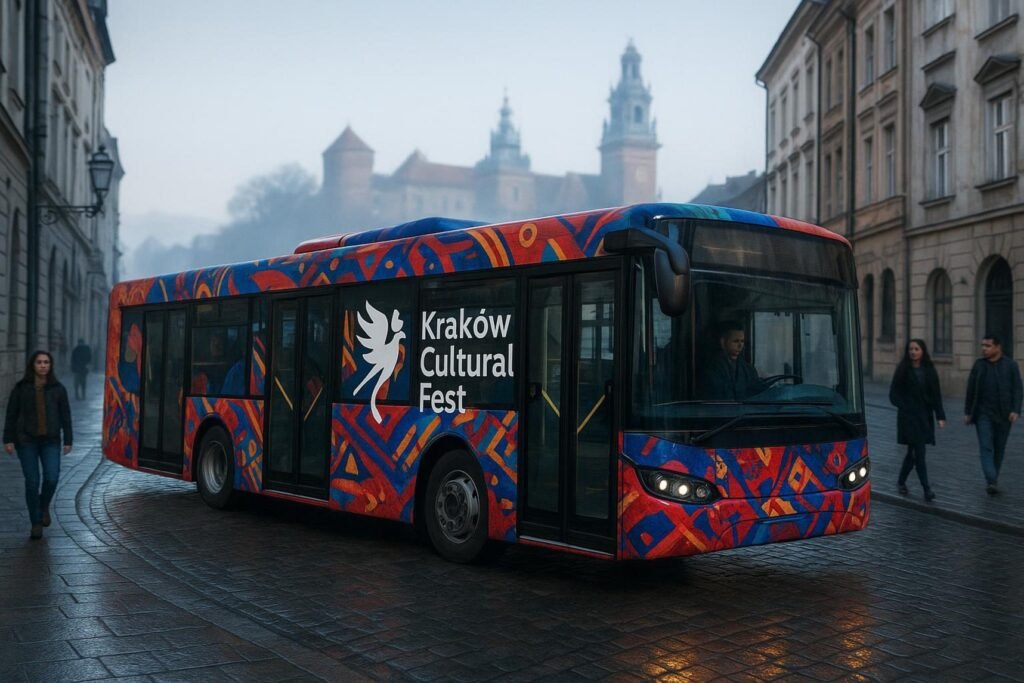
Large formats create strong visual impact that smaller ad spaces cannot. This helps brands stand out in busy streets and crowded stations. A bright, full-wrap campaign in Krakow during a cultural festival, or a sports brand on trams in Poznań, can become part of the city experience. These executions can do more than inform-they can create a feeling and make the brand easier to remember.
Industries and Sectors Best Suited for Polish Transit Media
Because transit media reaches many types of people in daily life, it works for many industries in Poland. Whether a company sells products, promotes events, or shares a public message, transit ads can deliver repeated exposure in places where people are already paying attention to their surroundings.
Consumer Goods and Retail Campaigns
Consumer goods and retail brands often benefit from transit media. For direct-to-consumer (DTC) businesses without physical stores, it can build awareness and reach people during commutes. Ads placed on routes near residential areas or shopping streets can drive store visits and online searches. A new Polish snack brand, for example, could use bold bus wraps and quickly become familiar around town.
Retailers can also use transit ads for sales, new products, and seasonal offers. Since people see the message while they are already out, it can influence shopping decisions. Repeated visibility keeps the brand in people’s minds and can push them to choose that product over another.
Tourism, Culture, and Event Promotion
Poland’s history and culture make transit advertising a strong choice for tourism and events. Tourism boards can promote landmarks, regions, and festivals on buses and trams, reaching locals and visitors. Ads placed on routes that lead to venues, museums, or attractions can support higher attendance.
A music festival in Gdańsk could run transit ads across the Tri-City area to build awareness and share ticket details. A museum exhibition in Warsaw could use interior ads with QR codes linking to booking. Because the ads move through the city all day, the message spreads widely and encourages people to take part.
Public Sector, Awareness, and Social Campaigns
Government bodies, non-profits, and social campaigns can use transit media for public messages and education. Since transit reaches many groups, it works well for public service announcements, health information, and civic engagement. It can also be used to promote public transport itself, such as environmental benefits and cost savings.
A healthy living campaign could run across several Polish cities and reach many ages. A similar campaign from another market-the “Ride On” campaign by Chicago’s Regional Transportation Authority-used humor to show the benefits of transit over driving, helping improve perception and ridership. Messages that focus on real daily problems and offer clear solutions can work well with Polish audiences too.
Comparing Transit Advertising to Traditional and Digital Channels
Marketers in Poland often compare channels before choosing where to spend budget. Transit advertising can stand out because it offers strong value, high visibility, and can work together with digital tactics. It gives a real-world presence that supports both traditional media (like TV and print) and the fast-moving nature of online advertising. Knowing these differences helps build a balanced media plan.
What Makes Transit Advertising Cost-Effective?
Transit advertising often delivers a low cost per thousand impressions (CPM) compared with TV, print, and many digital display options. For brands watching budgets, a month-long transit campaign can bring millions of views for less than other channels with similar reach. Since ads stay up and keep being seen every day, the same spend keeps generating visibility.
Production costs can also be lower than many broadcast campaigns. Shelter ads and vehicle ads are visible 24/7 and do not depend on people choosing to watch. This mix of broad reach, high frequency, and reasonable cost makes transit advertising an efficient way to build awareness.
Why Transit Out-of-Home Delivers High Impact vs. Static Billboards
Transit ads and billboards are both OOH, but transit has one major advantage: it moves. A fixed billboard reaches people near one location. A bus wrap or tram ad can pass through many parts of a city, reaching people who would not see that billboard. This creates a wider and more constant presence for urban audiences.
A wrapped bus or train can also draw attention in a way a static sign may not. Vehicles move through traffic and city streets where pedestrians, cyclists, and drivers can all see them. Transit stations are also often placed in busy areas like shopping and business districts, adding extra reach. Agencies like BE Media help brands tap into this movement plus high-traffic placement, which makes transit OOH more dynamic than static options.
Digital Integration: Bridging Physical Campaigns with Online Engagement
Transit advertising today can connect well with digital marketing. It can link physical exposure to online actions and make results easier to track. QR codes can send people straight to a landing page, product info, or a promotion. NFC tags can support tap-to-engage actions. Hashtags can encourage people to post and share.
Location-based mobile experiences can also be used, such as showing ads to people near a transit placement. These tools help track engagement and connect outcomes to OOH exposure. For brands in Poland that want to connect offline and online journeys, transit advertising can provide clear touchpoints that turn viewing into measurable activity.
Key Factors to Consider When Choosing Transit Advertising for Your Next Campaign
Running a transit campaign in Poland works best with clear planning. Choosing the right areas, setting budget and timing, and knowing local rules all affect results. A clear strategy helps you use the strengths of transit media to meet your marketing goals.
Geographic Targeting and Market Priorities
Start by defining who you want to reach and where they travel each day. Before launching in Poland, identify your main markets and the routes that match your audience. Do you want students in university areas, professionals in business zones, or tourists near major attractions? Picking specific lines and stations helps you target very local areas inside a larger city.
Different Polish cities also have different rhythms. What works in Warsaw might need changes for Krakow or Katowice. Market research helps you pick the right formats and placements so the right people see the message at the right time.
Budget Allocation and Scheduling
Transit can be cost-friendly, but budget planning and timing still matter. Decide how much of your budget goes into transit media, keeping in mind that CPM is often lower than many other options. Campaign length matters too-transit works well with repeated exposure, so longer runs can offer better value than short bursts.
Include costs for design, production, and placements across cities and formats. Managing campaigns across different systems can take planning and often works best with a reliable media partner. Timing can also raise impact, such as travel ads during holiday planning or back-to-school messages before the academic year starts.
Legal Regulations and Compliance in Poland
Transit advertising in Poland follows rules that can cover content, size, placement, and how long ads can run on vehicles or transit property. These rules can vary by city, local authority, or transport operator.
Advertisers should check local requirements to avoid fines or forced removal. This can include rules on commercial content, public safety, and possible language requirements. Working with experienced local partners can help keep a campaign effective and within the rules.
How to Maximize ROI in Polish Transit Advertising Campaigns
Getting strong return on investment (ROI) from transit advertising in Poland comes from good planning, strong creative, and clear measurement. Placing ads is only the start. Brands need a clear plan, simple and noticeable visuals, and a way to track results so the spend leads to real outcomes.
Best Practices for Campaign Planning and Measurement
Begin with clear goals and KPIs. Do you want better awareness, more site visits, more store visits, or direct sales? Then decide how you will measure results. You can use unique promo codes, special landing pages linked to QR codes, or campaign hashtags to track interest and conversions tied to the ads.
Do market research before launch so you understand your audience and pick the right cities, formats, and locations. Every campaign is different, so past success may need changes for new goals. Track performance during the run and adjust creative or placements if needed to improve results.
Tips for Creative Design and Audience Engagement
Transit ads are often seen quickly, so the message must be clear and fast to understand. Use these design and engagement tips:
- Bold and Simple Design: Use strong colors, clear images, and short text. Busy designs can be missed in fast city movement. The message should be readable at a glance.
- Clear Call to Action (CTA): Add an obvious next step like a URL, phone number, social handle, or QR code. Make it easy to act.
- Use Movement (where applicable): Because vehicles move, designs that suggest travel, speed, or direction can work well on buses and trams.
- Use Local References: For regional campaigns, local landmarks and cultural references can build a stronger link with the community and make the ad feel more relevant.
- Storytelling in Segments: For formats with longer viewing time (like interior cards), a series of ads can tell a bigger story across multiple rides.
Tracking Success: Metrics and Evaluation Tools
To measure results and improve ROI, use more than one method. Along with QR codes and unique URLs, these tools can help:
- Brand Awareness Surveys: Run surveys before and after to measure brand recognition, recall, and perception.
- Website Traffic and Social Media Engagement: Watch for increases in direct traffic, landing page visits, and social mentions during the campaign period.
- Foot Traffic Analysis: For stores or locations, use geofencing or anonymized mobile data to check for lifts in visits in exposed areas.
- Sales Data Correlation: Compare sales changes in targeted regions during and after the campaign.
- Customer Feedback: Collect comments, messages, and inquiries where people mention seeing the ad on transport.
- Media Impressions: Ask media partners for impression estimates based on ridership and route frequency.
Using both number-based data and real customer feedback gives a clearer view of what worked and what to change next time.
Case Studies: Success Stories of Transit Advertising in Poland
Although no specific Polish case studies are listed here, we can look at proven results from other markets and imagine how similar plans could work in Poland. Transit advertising has shown strong results in many industries and can support both focused regional efforts and wide national campaigns. The examples below show what can be possible for Polish brands.
Regional Product Launches with Transit Media
Imagine a Polish dairy brand, “Mleczny Sen,” launching a new organic yogurt line aimed at eco-minded shoppers in the Silesian Voivodeship. Instead of standard billboards, Mleczny Sen runs a transit campaign. They fully wrap buses on key routes linking Katowice, Gliwice, and Zabrze, using clean natural visuals and a clear CTA with a QR code to a product page and store locator.
Within weeks, the green-and-white buses become easy to recognize across the region. People see them often on daily trips, building strong memory of the brand. QR tracking shows a clear rise in visits from the Silesian area, and partner supermarkets see higher sales of the new yogurt. Because the ads move across the region, Mleczny Sen covers its target area effectively and turns buses into moving promoters for the launch.
Nationwide Brand Awareness Campaigns
Now picture “Polski Bank,” a large financial institution, aiming to raise nationwide awareness and promote its digital banking tools. The bank runs a national transit campaign in Warsaw, Krakow, Poznań, Wrocław, and Gdańsk. They use interior digital screens in trams and metros with content that changes during the day to highlight different app features. In major stations, they run “station dominations” with large visuals and interactive kiosks.
Because the branding appears across many transit networks, the campaign gains wide visibility. Commuters and students see the message repeatedly, supporting the bank’s image as modern and easy to use. After the campaign, surveys show higher brand recall and better opinions of its digital services across the country, showing how transit media can support one clear national story.
Public Service Campaign Effectiveness
Consider a public health campaign from the Polish Ministry of Health called “Zdrowe Serce” (Healthy Heart), focused on heart health awareness and regular check-ups. The campaign uses transit ads widely, placing clear and friendly visuals on shelters and inside buses and trams across Poland. The message points people to a government website for more info.
Because transit media reaches many groups, the campaign is seen by people of different ages and backgrounds, including busy parents and older adults. Repeated viewing during commutes helps the message stick. After a few months, the Ministry reports more visits to the health portal and more preventive check-ups, showing how transit advertising can support public awareness and positive behavior.
Current Transit Advertising Trends and Future Innovations in Poland
Transit advertising in Poland keeps changing, mainly due to new technology and stronger focus on sustainability. As we move through 2026, these trends affect how ads are shown, how people interact with them, and how campaigns fit wider social values. What’s ahead looks more dynamic, better connected, and more eco-aware.
Growth of Programmatic and Digital Transit Screens
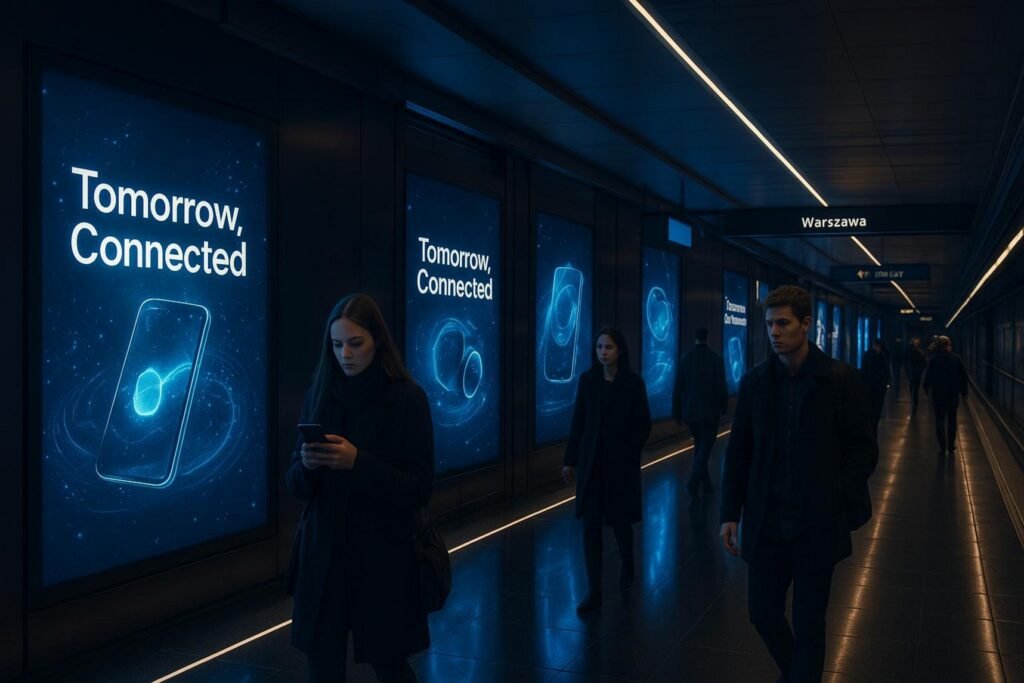
Programmatic buying is starting to shape transit media, especially as more digital screens appear in stations, on platforms, and inside vehicles. These screens allow quick changes. Ads can switch based on time of day, weather, traffic, or transport schedules, so messages can match the moment and feel more relevant.
Programmatic Digital Out-of-Home (pDOOH) also lets advertisers buy and adjust screen time with more flexibility, similar to online ads. Campaigns can start, pause, or change based on a udience segments or performance. As location and movement data improves, matching ad exposure to consumer behavior can become more accurate, making measurement stronger than before for a channel that used to be hard to track.
Sustainability and Eco-Friendly Transit Advertising Solutions
As clean air and sustainability become bigger priorities, public transport plays a larger role in city life. This also affects transit advertising, with more demand for eco-friendly materials and energy-saving systems.
Examples include recycled or biodegradable print materials, more energy-efficient digital screens, and campaigns that promote greener travel. Transport companies like Uber and Lyft have also started selling their own out-of-home inventory, showing how the wider mobility space is connecting with advertising. In Poland, using greener transit advertising can support a brand’s responsibility goals and appeal to people who care about the environment, improving brand image beyond the campaign message itself.
Conclusion
Transit advertising in Poland has grown a lot and continues to deliver strong results. It is not an outdated format-it is a modern channel that mixes everyday public visibility with digital tools that support measurement and online action. Its strength comes from being part of normal Polish daily life, which helps build brand memory and local connection. As cities keep developing and sustainability becomes more important, transit media is likely to matter even more for public attention and engagement. For brands that want to be seen and remembered by people who are out in the real world every day, transit advertising remains a strong option for both regional and national growth in Poland.
