
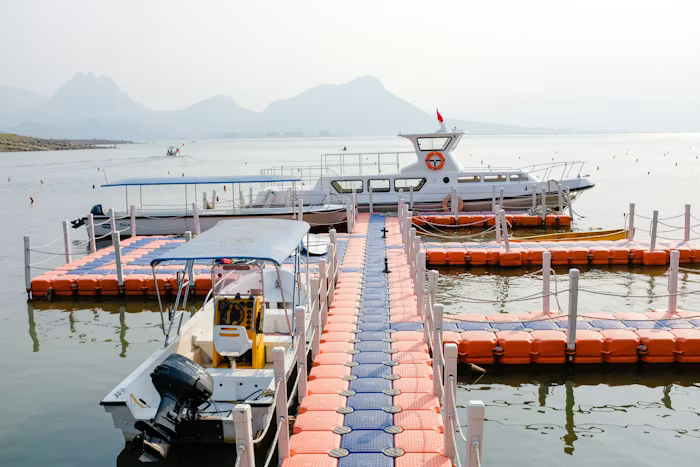
The global waterfront commercial sector—spanning eco-tourism resorts, over-water dining, and premium yacht clubs—is experiencing unprecedented growth. As developers race to capitalize on coastal and lakeside real estate, the demand for resilient and scalable facilities has never been higher.
However, many property developers are discovering that outdated aquatic architecture is the single largest bottleneck to profit growth. Relying on legacy construction methods not only drains operational budgets but also limits the physical expansion of the business. To maximize revenue, commercial decision-makers must rethink their foundational assets and embrace modern, adaptable marine infrastructure.
The Evolution of Marine Infrastructure
For decades, waterfront developers defaulted to fixed-pile structures built from treated timber or poured concrete. While familiar, these legacy systems are fundamentally flawed when evaluated through a modern commercial lens.
The Hidden Costs of Traditional Piling
Traditional marine construction comes with severe operational and environmental liabilities that quietly erode profit margins. The financial drain extends far beyond the initial installation phase.
When evaluating legacy materials, commercial operators must account for these hidden costs:
- Rapid Degradation: Saltwater, tidal movements, and harsh UV exposure accelerate the corrosion of metal fittings and the rotting of wood.
- Exorbitant Maintenance: Routine sealing, structural reinforcement, and component replacement require continuous financial output and labor.
- Environmental Liabilities: Traditional treated timber often leaches toxic chemical preservatives (like chromated copper arsenate) into fragile aquatic ecosystems.
- Inflexibility: Fixed piles cannot be easily moved or expanded once installed, strictly limiting future business adaptations.
The Rise of HDPE Modular Systems
When evaluating marine construction materials for commercial waterfront properties, modern HDPE (high-density polyethylene) has fundamentally shifted lifecycle expectations.
According to manufacturing specifications and durability data from Hisea Dock, industrial-grade plastic pontoon systems can yield a 20% to 30% longer lifespan than traditional treated wood or metal alternatives, significantly reducing long-term Capital Expenditure while eliminating the risk of toxic chemical leaching into marine ecosystems.
The transition to high-density plastics introduces several transformative advantages for B2B operators:
- Unmatched Weather Resistance: High-grade plastics resist UV radiation, frost, and extreme wave impacts without cracking or splintering.
- Zero Chemical Leaching: Completely inert materials ensure total compliance with tightening global marine protection regulations.
- Rapid Deployment: Interlocking systems can be assembled in a fraction of the time required for traditional pile driving, minimizing business downtime.
- Predictable Budgets: The near-zero maintenance requirement allows financial controllers to accurately forecast long-term operational expenses.
Strategic Applications Driving Revenue in the Hospitality Sector
The true value of modern aquatic infrastructure lies in its ability to directly generate new revenue streams. By utilizing adaptable systems, hospitality and tourism brands can scale their physical footprint with unprecedented agility.
Expandable Floating Platforms & Restaurants
The hospitality sector thrives on creating unique, immersive experiences. However, adding physical square footage over water has historically required massive investment and years of permitting.
Modular floating platforms eliminate this barrier by allowing businesses to expand their footprint incrementally. This Modular Flexibility empowers operators to:
- Deploy Seasonal Expansions: Add temporary floating dining terraces or event stages during peak tourist seasons.
- Minimize Sunk Costs: Avoid massive upfront investments by scaling the platform size precisely in tandem with revenue growth.
- Adapt to Tides: Floating structures naturally adjust to water level fluctuations, ensuring consistent accessibility and safety for guests.
Eco-Friendly Aquaculture and Marina Layouts
Beyond hospitality, commercial aquaculture and marina operators benefit immensely from structural agility. Consumer demands and vessel sizes change, requiring facilities that can pivot without demanding total reconstruction.
For these operational sectors, asset agility translates directly to long-term asset retention:
- Dynamic Reconfiguration: Marina operators can quickly disassemble and reassemble dock slips to accommodate larger superyachts as market demand shifts.
- Sustainable Farming: Aquaculture businesses can rotate their floating enclosures to prevent localized water depletion, ensuring higher crop yields.
- Asset Portability: If a lease ends or a business relocates, the entire floating infrastructure can be dismantled and transported to a new site, preserving the initial investment.
The Environmental Imperative for Waterfront Expansion
Modernizing waterfront infrastructure is no longer just an operational upgrade; it is a vital step in corporate environmental responsibility.
As extensively documented in a Forbes analysis on sustainable business models, companies that proactively transition to eco-friendly infrastructure not only mitigate future regulatory compliance risks but also capture a premium market share from an increasingly environmentally conscious consumer base.
Global environmental agencies are rapidly outlawing traditional chemical-treated woods in commercial marine zones. For property developers, adhering to these shifts is non-negotiable for future viability:
- Permit Approvals: Local municipalities are streamlining permits for projects utilizing 100% recyclable, non-toxic materials.
- Brand Equity: Eco-tourism resorts can market their commitment to marine conservation directly to high-paying, eco-conscious travelers.
- Future-Proof Compliance: Transitioning to inert plastics protects the business from sudden regulatory fines or forced retrofitting mandates.
Key Takeaways
| Area | Key Takeaway | Impact/Data |
| Cost Control | Abandon fixed timber/concrete | Extends lifespan by 20-30% |
| Revenue Scaling | Deploy modular HDPE platforms | Enables incremental footprint expansion |
| Asset Agility | Reconfigure layouts dynamically | Prevents sunk costs via 100% portability |
| Eco-Compliance | Eliminate toxic chemical leaching | Bypasses incoming regulatory bans |
Future-Proofing Your Waterfront Property
The commercial waterfront landscape is becoming increasingly competitive, and the physical foundations of these properties dictate their ultimate financial ceiling. Relying on decaying timber and rigid concrete is a guaranteed path to bloated operational costs and stagnant growth.
By investing in high-density, modular infrastructure, developers unlock unparalleled Modular Flexibility and slash ongoing maintenance budgets. This strategic shift not only protects local marine ecosystems but ensures a substantially higher ROI over the property’s lifecycle. Upgrading your marine infrastructure is the most definitive way to future-proof your asset and maximize long-term business revenue.
