
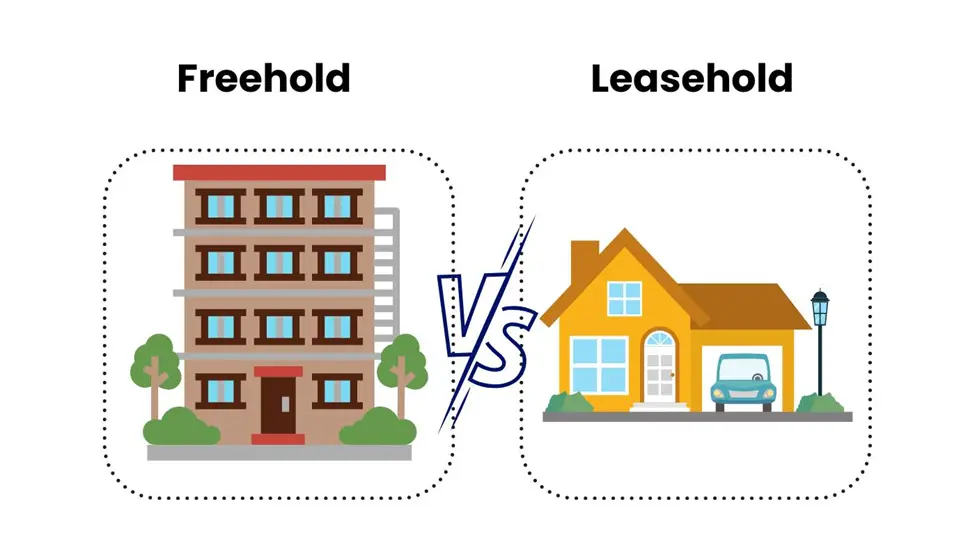
When you buy a home in England and Wales, you are not just buying bricks and mortar. You are also buying a legal interest in the property, and that interest is usually either freehold or leasehold. The difference affects how long you own the home, what you can do with it, what ongoing costs you pay and how easy it will be to sell in the future. Many buyers only think about tenure once their solicitor raises it, but understanding it early can save you money and stress. This guide explains the key differences and what to check before you commit.
What Is Freehold?
If you buy a freehold property, you own the building and the land it stands on outright, with no time limit. Most houses in England and Wales are sold as freehold. As a freeholder, you are responsible for maintaining the property and you generally have more control over what you do with it, subject to planning rules, building regulations and any restrictions in the title deeds.
Freehold homes do not usually involve ground rent or service charges, although some newer estates include charges for maintaining shared areas.
What Is Leasehold?
If you buy a leasehold property, you own the right to live in it for a fixed number of years set out in the lease. The land and the building’s structure remain owned by the freeholder, sometimes called the landlord. Most flats are leasehold, and some houses are too.
Leases often start at 99, 125 or 999 years. As time passes, the remaining term reduces, and this can have a significant effect on the property’s value and mortgageability.
Why the Length of the Lease Matters
The number of years left on a lease is one of the most important things to check. Many lenders are reluctant to offer mortgages on properties with fewer than around 80 years remaining, and some set higher minimums. Short leases can make a property harder to sell and can reduce its value.
When a lease falls below 80 years, extending it usually becomes more expensive because of how the premium is calculated. If you are buying a flat with a lease close to this point, factor the cost of an extension into your budget, or ask whether the seller will start the extension process before the sale.
Ground Rent
Leaseholders may pay ground rent to the freeholder. For many new leases created since mid-2022, ground rent has been restricted to a peppercorn, meaning effectively nothing. However, older leases can include ground rent, and some contain clauses that allow it to increase over time. Ground rents that double at regular intervals have caused problems for some owners, so ask your solicitor to review this carefully.
Service Charges
Leaseholders usually pay a service charge to cover the upkeep of shared parts of the building, such as the roof, communal hallways, lifts, gardens and buildings insurance. Service charges can vary from year to year and may rise sharply if major works are needed.
Before buying, ask for recent service charge accounts, the budget for the coming year and details of any planned major works. Check whether there is a reserve or sinking fund for future repairs, as this can reduce the risk of large one-off bills.
Restrictions in the Lease
Leases often include rules about what you can and cannot do. Common restrictions cover subletting, keeping pets, making alterations, running a business from home and short-term letting. If you plan to rent the property out, have pets or renovate, make sure the lease allows it.
Share of Freehold
Some flats are sold with a share of the freehold. This means the leaseholders collectively own the freehold, often through a company. It can give owners more control over the building’s management and make lease extensions simpler and cheaper. However, it also means sharing responsibility for decisions and maintenance with your neighbours.
Leasehold Reform
The government has introduced reforms designed to make leasehold fairer, including changes aimed at making it easier and cheaper to extend a lease or buy the freehold. Some changes are being phased in over time, so ask your solicitor how current rules affect the property you are buying.
Key Questions to Ask Before Buying
- How many years remain on the lease?
- What is the ground rent, and can it increase?
- What are the current and expected service charges?
- Are any major works planned?
- Who manages the building, and how well is it maintained?
- What restrictions does the lease contain?
- Is there an option to buy a share of the freehold?
Which Is Better?
Freehold generally offers more control and fewer ongoing costs, which is why many buyers prefer it. However, leasehold is often the only option for flats, and a well-managed leasehold property with a long lease and reasonable charges can be an excellent home and investment. The key is understanding exactly what you are buying.
Final Thoughts
Tenure affects your costs, your freedoms and your future resale value, so it deserves careful attention before you commit. In areas with a high proportion of flats, local knowledge is especially valuable. A professional estate & lettings agent in Harrow can help you understand lease terms, typical service charges in local developments and how tenure is likely to affect the value of the property you are considering.
