
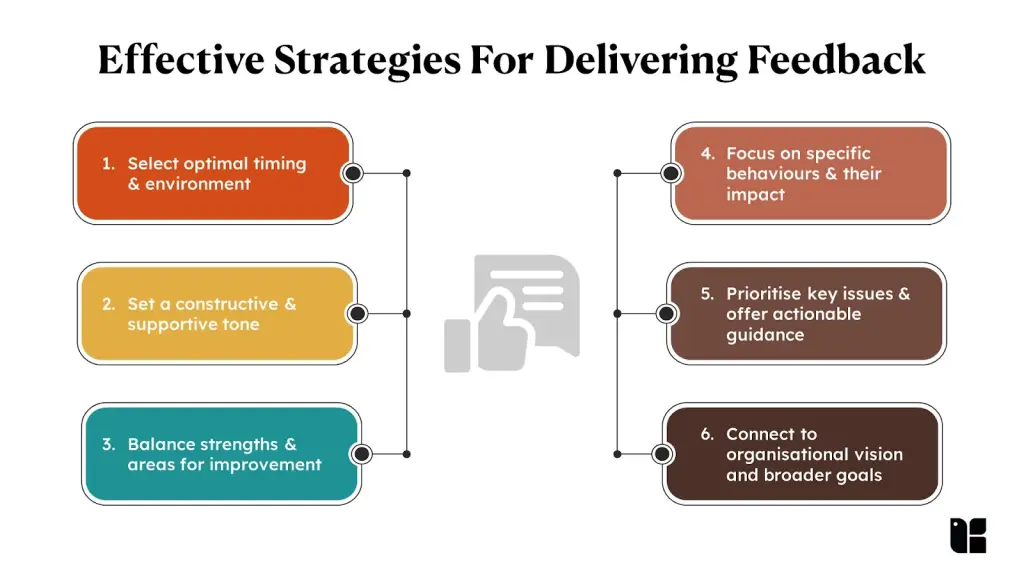
Strong leaders are not the ones who always know everything. They are the ones who are ready to hear what others have to say to keep learning and to get better. They consider the opinions of others. They learn from feedback. That is why a Leadership Feedback System can really help any company. It makes space for talks, helps managers see how their behavior affects others and makes team bonds stronger. When feedback is part of work people feel they are listened to and they feel valued. They are more ready to do their best.
Build Trust First
Feedback is helpful when people feel safe to say what they think. If employees are worried that they will be judged or ignored, they will not tell you the truth. Honest feedback matters a lot. Leaders should let everyone know that they want to hear opinions. Leaders do not have to agree with everything that is said. They should always listen to feedback with respect. When people see that their opinions matter, trust will grow on their own. Leaders should make sure that employees feel safe to give suggestions and opinions.
Set Clear Purpose
Before we collect suggestions, we should explain why it matters. People are more likely to take part when they understand the goal. We need to keep the message simple. Let everyone know that the feedback is there to support the growth of the people, improve the teamwork of the team, and help the leaders become more effective leaders. The feedback should never feel like a tool for putting blame on someone.
Ask Better Questions
The quality of feedback depends on the questions you ask. Avoid broad questions that lead to short answers. Instead, ask things that encourage people to reflect. For example:
What does your manager do well?
What could help communication improve?
Is there anything that would make teamwork easier?
Open questions often provide more useful and thoughtful responses than simple yes or no answers.
Listen Without Defending
Receiving feedback is really tough. I mean, even people who have been leaders for a long time can feel weird when they hear something they do not expect. The best leaders take a moment to think before they say anything. They do not get upset. They try to understand what the other person is saying. Asking another question can really help make things clearer. When leaders actually listen to what people are saying, it makes a big difference. People see that, It makes them more likely to be honest with the leaders in the future. Leaders who listen get honest conversations because people feel like they can talk to them about anything.
Make Feedback Regular
One annual review is rarely enough. Small, regular conversations are often more helpful than waiting months to discuss concerns. A quick check-in after a project or a short monthly conversation can highlight issues before they become bigger problems. Frequent feedback also feels more natural. It becomes part of everyday work rather than something people fear.
Turn Words Into Action
Nothing hurts trust more than when you ask people for their thoughts. Then you do not do anything about it. Leaders should find the things that keep coming up, figure out what needs to be fixed and tell people about the changes they are going to make to get feedback. Tiny changes show that the feedback from people has been taken seriously. When people at work see that good things are happening, they start to feel better about speaking up because they think it is worth it.
Encourage Two-Way Conversations
Good feedback should never go in one direction. Leaders can also ask their teams what help they need and encourage ideas about making the workplace. At the same time employees gain benefit from helpful advice that helps them build their own abilities. When both sides talk openly, communication gets better. Mistakes are not as likely to happen.
Keep Improving Always
No feedback process is perfect from the beginning. You should review the process from time to time. Ask yourself these questions: are the questions still making sense? Do people feel comfortable taking part in the feedback process? Are useful changes actually happening because of the feedback process? As organisations grow, their approach to the feedback process should also grow with them. The feedback process needs to stay flexible so it can remain relevant and valuable for everyone in the organisation.
Final Thoughts
A successful Leadership Feedback System is based on trust, open talks and a real desire to get better. It is not about finding faults but about helping people develop as a team. Little regular changes can make the difference in the long run. If you want to learn more about ways to build better work environments and better leaders, Pinnacle Wellbeing has useful information. It helps organizations succeed for a long time.
