Most businesses don’t fail at social media because they post too little. They fail because they’re posting without a plan. A content calendar isn’t a strategy. Neither is “being active on Instagram.” A real strategy connects what you post to what your business actually needs — more leads, more sales, more repeat customers.
This guide breaks down how to build one, step by step, without the buzzwords.
Why Most Social Media Efforts Don’t Work
Before building a strategy, it helps to understand why most attempts stall out.
The usual pattern looks like this: a business picks a platform because a competitor is on it, posts inconsistently for a few months, sees little return, and either gives up or hands it to whoever has spare time. There’s no clear goal, no defined audience, and no way to measure whether any of it is working.
The fix isn’t posting more. It’s approaching social media the way you’d approach any other business investment — with a goal, a target audience, and a way to track return.
Step 1: Start With a Business Goal, Not a Content Idea
Every strategy should begin with one question: what is this actually supposed to achieve?
Common goals include:
- Generating leads or enquiries
- Driving direct sales
- Building brand awareness in a new market
- Improving customer retention and repeat purchases
- Supporting recruitment or local reputation
The goal you choose changes everything downstream — which platform you use, what you post, and how you measure success. A brand focused on awareness will look very different from one focused on direct sales. Trying to do both at once, with the same content, usually does neither well.
Step 2: Know Exactly Who You’re Trying to Reach
Generic content gets generic results. Before creating anything, get specific about your audience:
- What age group and location are they in?
- What problem are they trying to solve?
- Where do they already spend time online?
- What would make them stop scrolling and pay attention?
This doesn’t need to be complicated. Even a simple, one-paragraph description of your ideal customer is usually enough to sharpen your content and stop it from feeling like it’s talking to everyone — which usually means it’s talking to no one.
Step 3: Choose Platforms Based on Fit, Not Trends
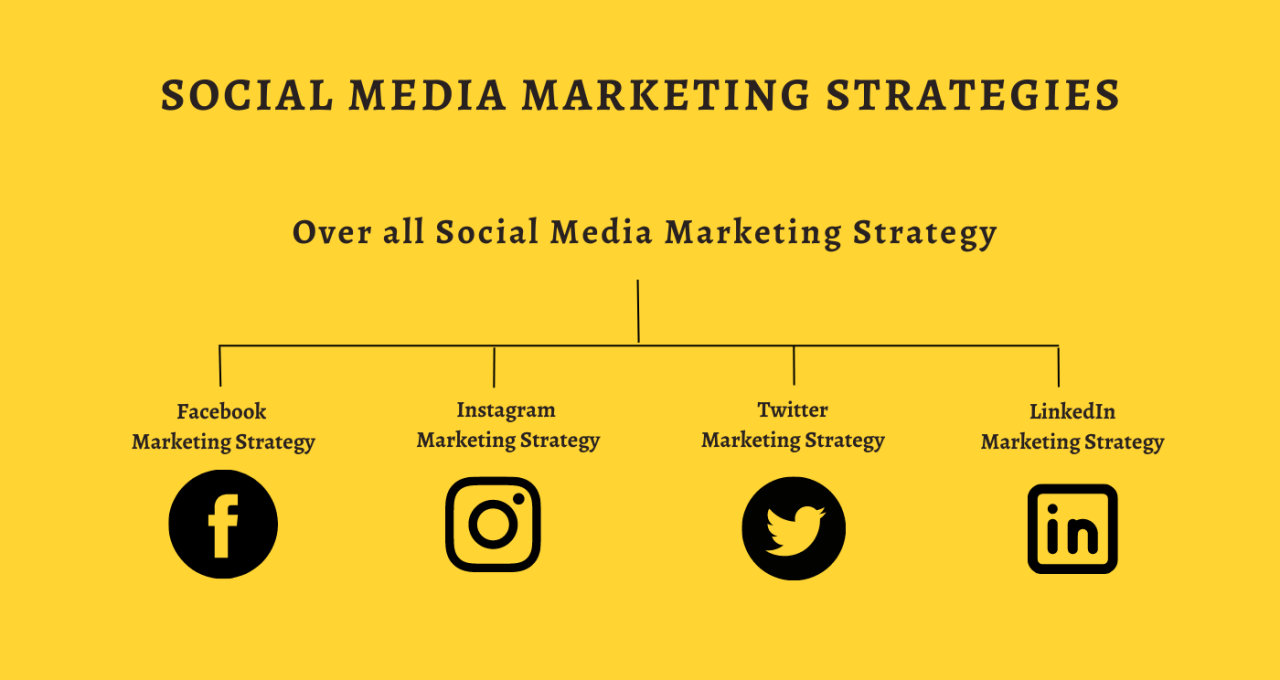
You don’t need to be everywhere. In fact, trying to maintain five platforms with mediocre content usually performs worse than doing one platform well.
Here’s a simple way to think about platform fit:
- Instagram and TikTok — strong for visual products, lifestyle brands, and younger audiences
- Facebook — still effective for local businesses and older demographics
- LinkedIn — best for B2B, professional services, and recruitment
- Pinterest — useful for home, fashion, food, and planning-based purchases
- YouTube — valuable for anything that benefits from demonstration or explanation
Pick one or two platforms where your actual audience spends time, and commit to doing them properly before expanding.
Step 4: Build Content Around What Your Audience Actually Wants
Once the platform is chosen, content should fall into a small number of clear categories rather than random, one-off posts. A workable mix usually includes:
- Educational content — answering common questions your customers ask
- Proof content — testimonials, results, before-and-afters, case studies
- Behind-the-scenes content — building trust and familiarity with your team or process
- Promotional content — direct offers, but used sparingly, not as the majority of posts
A good rule of thumb: if every post is asking for a sale, people stop paying attention. Value-first content earns the attention that promotional content later converts.
Step 5: Treat Paid and Organic as Two Different Tools
Organic social media builds trust and awareness over time. Paid advertising is what accelerates results and reaches people who don’t already follow you.
Relying only on organic posts and hoping for reach is one of the most common reasons strategies underperform — platform algorithms increasingly favour paid content, and organic reach alone often isn’t enough to hit meaningful business goals. A working strategy usually combines consistent organic content with a modest, targeted paid budget aimed at your specific goal, whether that’s leads, sales, or awareness.
Step 6: Connect Social Media to the Rest of Your Marketing
Social media rarely works well in isolation. It performs best as part of a connected system that includes your website, SEO, and email marketing.
For example:
- Social content drives traffic to a website that’s actually built to convert visitors into leads
- Email captures people who aren’t ready to buy yet, so they aren’t lost after one visit
- Search visibility catches people actively looking for what you offer, not just the ones who happened to see a post
Businesses that treat these as one connected system consistently outperform those running social media as a standalone effort. This kind of joined-up approach is exactly what a proper digital marketing strategy is built to solve — aligning every channel toward the same business goal instead of running them separately.
Step 7: Track the Right Numbers
Likes and follower counts feel good, but they rarely pay the bills. What actually matters depends on your goal from Step 1:
- For lead generation — enquiries, form submissions, cost per lead
- For sales — conversion rate, return on ad spend, average order value
- For awareness — reach, video views, branded search volume over time
Review these numbers monthly, not daily. Social media results build over weeks and months, not overnight, and reacting to short-term dips usually does more harm than good.
Common Mistakes to Avoid
- Posting without a goal — content with no purpose rarely performs
- Copying competitors instead of understanding your own audience
- Ignoring paid promotion entirely
- Treating social media as separate from the rest of your marketing
- Judging success by vanity metrics instead of business outcomes
Bringing It All Together
A social media and marketing strategy that actually works isn’t about posting more often or chasing every new platform trend. It’s built on a clear goal, a specific audience, the right platform, a content mix that earns attention before it asks for anything, and a way to measure whether it’s actually driving results.
For businesses that want this built and managed properly rather than pieced together in spare time, working with an experienced team like Lucid Media can shortcut the trial and error — turning social media from a guessing game into a measurable part of business growth.
