
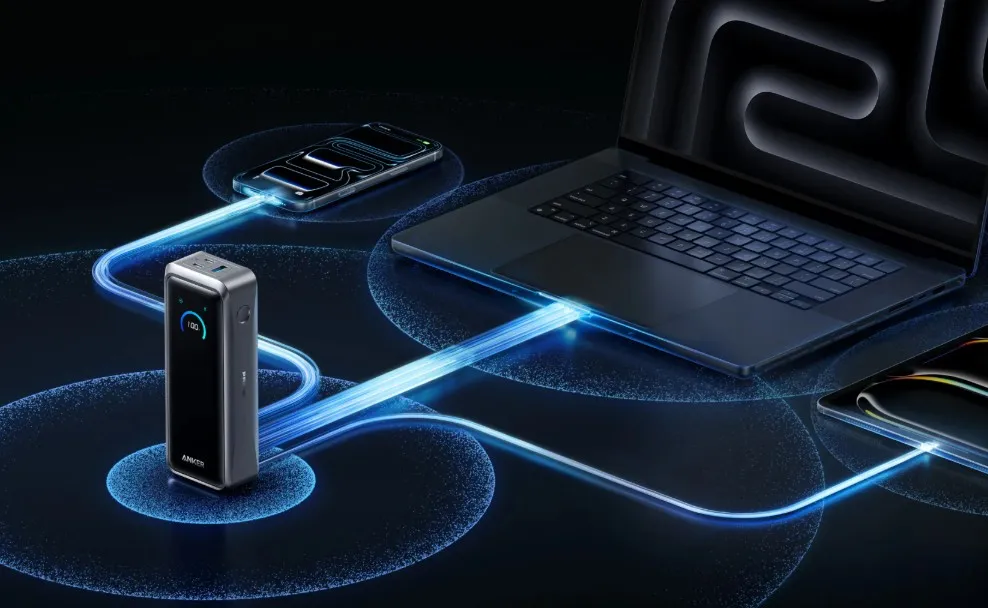
Users may charge phones, tablets, laptops, and other portable gadgets all day with the correct power bank capacity. Power banks offer easy backup power without wall plugs. Many people use them for vacation, business, commuting, outdoor activities, and emergencies. For diverse uses, modern power banks have varying battery capacity, charging rates, wireless charging compatibility, and safety measures. Power bank performance varies, so buyers should examine device compatibility, portability, charging performance, and battery capacity. Understanding the key power bank capacity variables helps consumers pick convenient charging options that support numerous devices and offer reliable portable power for daily activities and trips.
What Factors Matter Most When Choosing Power Bank Capacity?
Understanding mAh Ratings and Real Charging Capacity
mAh ratings measure how much battery energy a power bank can store and deliver to connected devices. Higher mAh ratings usually provide more charging cycles for smartphones, tablets, and other electronics before the power bank itself requires recharging. Because charging and voltage control create energy conversion losses, charging capacity is generally lower than claimed. A 10,000mAh power bank may not charge a gadget to its full capacity. Product comparisons should include the efficiency’s impact on performance. Larger capacity provides longer use but increases weight and charging time. Understanding mAh ratings and real charging output helps consumers pick power banks that meet their daily power needs more precisely and effectively.
Power Bank Capacity for Phones, Tablets, and Laptops
Devices require different power bank capacities depending on battery size, charging frequency, and daily usage needs. Smaller power banks between 10,000mAh and 20,000mAh are suitable for smartphone backup charging and travel, while tablets, laptops, and gaming devices often require higher-capacity options for extended performance. The Anker Prime Power Bank with its 26,250mAh capacity supports users who frequently charge multiple devices throughout the day, offering greater convenience for work, travel, and entertainment. Choosing the right capacity based on device power requirements can improve charging reliability, portability, and overall efficiency during regular mobile device use.

Charging Speed, Output Power, and Fast Charging Support
How soon a power bank recharges connected devices daily depends on the charging speed. High output power and rapid charging save waiting time and increase convenience for busy consumers. USB Power Delivery, Quick Charge, and other rapid charging protocols enhance smartphone, tablet, and laptop charging efficiency in many current power banks. Because laptops need more electricity to charge, output wattage counts. Buyers should check charging methods and output capabilities for device compatibility. Rapid charging support boosts productivity, eliminates downtime, and enhances charging performance while traveling, business, and daily mobile device usage over long durations.
How Can You Choose the Best Power Bank for Daily Use and Travel?
Compact vs. High-Capacity Power Banks for Portability
Compact and high-capacity power banks have different benefits depending on portability and charging habits. Compact power banks are lightweight, portable, and ideal for short trips, commuting, and daily smartphone charging. High-capacity models will charge multiple devices and have longer battery backup, but they weigh more and require more travel storage. Frequent travelers and heavy users may choose bigger power banks since they give longer charging assistance throughout flights, outdoor activities, and lengthy workdays. Buyers should analyse weight, physical dimensions, and charging requirements carefully before purchasing a model. Choosing the proper mix between portability and capacity enhances convenience, travel comfort, and overall charging dependability throughout typical daily activities consistently over time.
Airline Rules, Safety Features, and Battery Protection
Because lithium batteries are unsafe to transport, airline rules limit which power banks passengers may bring. Large power banks may be restricted or need clearance before travel; most airlines accept portable batteries within watt-hour limitations. Power banks create heat when charging and discharging, making safety features crucial. For safety, many newer versions include overcharge protection, temperature control, short-circuit avoidance, and automated power management. Overheating, gadget damage, and long-term battery deterioration are prevented with reliable battery protection. Buyers should check airline compatibility and built-in safety before buying. Strong safety measures make portable charging safer for travel and daily usage.
Multiple Charging Ports, Wireless Charging, and Long-Term Reliability
Multiple charging ports enhance convenience by enabling simultaneous device charging while working, traveling, and in emergencies. Modern power banks offer several device kinds, including USB-C, USB-A, and wireless charging. Wireless charging allows compatible devices to be charged without cords. If the power bank employs low-quality components, numerous charging cycles may impair battery efficiency over time. Heavy-duty design, powerful internal battery cells, and dependable charging circuits maximise longevity and charging stability. Be sure to check port diversity, wireless charging, and construction quality before buying. Reliable multi-device charging reduces hassle and enhances portable power performance over time.
Conclusion
Choosing the appropriate power bank capacity allows customers to maintain consistent device charge throughout travel, work, crises, and daily activities. Battery capacity, rapid charging support, portability, and safety features all have a significant impact on charging performance and ease. Buyers should also consider device compatibility, airline rules, charging speed, and long-term durability while choosing a model. diverse power bank sizes and charging functions cater to diverse lifestyles, travel patterns, and device needs. Understanding the most important power bank capacity factors enables users to select dependable portable charging solutions that improve convenience, reduce charging interruptions, and provide more consistent backup power for smartphones, tablets, laptops, and other electronic devices during regular daily use over time.
