
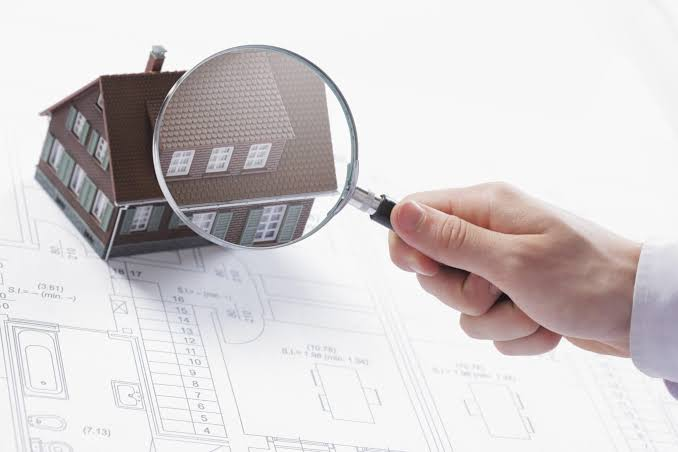
Purchasing real estate is about much more than finding the right location or negotiating the best price. Every property has a history, and not every issue is visible during an open house or private showing. That’s why due diligence is one of the most important steps before completing any real estate transaction.
A thorough inspection helps buyers understand the property’s actual condition, estimate future maintenance costs, and identify problems that may require immediate attention. Whether you’re purchasing a family home, rental property, or commercial building, proper due diligence protects both your investment and your peace of mind.
What Is Real Estate Due Diligence?
Real estate due diligence is the process of carefully evaluating a property before finalizing the purchase. It includes reviewing documents, researching the property’s history, verifying ownership details, and conducting professional inspections.
One of the most valuable parts of this process is a comprehensive commercial property inspection, which helps investors and business owners identify structural concerns, maintenance issues, and building system deficiencies before committing to a purchase.
Completing due diligence allows buyers to:
- Understand the property’s condition
- Estimate repair costs
- Reduce financial risk
- Identify safety concerns
- Improve purchase negotiations
- Plan future maintenance
Why Property Inspections Are Essential
Even properties that appear well-maintained may have hidden defects.
Professional inspectors evaluate visible components throughout the building, including:
- Structural systems
- Roofing
- Plumbing
- Electrical systems
- HVAC equipment
- Interior and exterior components
Their findings provide buyers with a clearer understanding of the property’s strengths and weaknesses before closing.
An inspection should never be viewed as an unnecessary expense. Instead, it serves as valuable protection against unexpected repair costs after the purchase.
Key Areas Every Inspection Covers
Structural Components
Inspectors look for signs of:
- Foundation cracks
- Uneven floors
- Wall movement
- Settlement
- Support beam damage
Structural issues can significantly affect both safety and long-term property value.
Roofing System
Roof inspections help identify:
- Missing materials
- Flashing damage
- Water intrusion
- Poor drainage
- Ventilation concerns
Addressing roof problems early prevents additional interior damage.
Plumbing System
A plumbing inspection focuses on:
- Supply lines
- Drainage systems
- Water heaters
- Pipe leaks
- Water pressure
Undetected plumbing problems often contribute to moisture damage and mold growth.
Electrical System
Electrical evaluations include:
- Service panels
- Circuit breakers
- Wiring
- Receptacles
- Safety hazards
Modern electrical systems improve both efficiency and occupant safety.
HVAC Equipment
Heating and cooling systems should operate efficiently throughout the year.
Inspectors examine:
- Furnaces
- Air conditioning units
- Ductwork
- Thermostats
- Airflow
Regular maintenance extends equipment life while lowering operating costs.
Common Issues Buyers Should Expect
Every property is unique, but inspectors frequently discover recurring maintenance concerns.
These may include:
- Roof leaks
- Foundation movement
- Moisture damage
- Plumbing leaks
- Electrical deficiencies
- Aging HVAC equipment
- Mold detection concerns
- Drainage problems
- Exterior deterioration
- Deferred maintenance
Finding these issues doesn’t necessarily mean the purchase should be canceled. Instead, they provide useful information that supports better financial planning and stronger negotiations.
Many buyers choose experienced home inspection Chicago professionals because they understand regional construction methods, local weather conditions, and the maintenance challenges commonly found in residential and investment properties.
Making Better Investment Decisions
A professional inspection gives buyers the confidence to move forward with accurate information rather than assumptions.
Before completing a purchase, consider:
- Reviewing the inspection report carefully
- Requesting specialist evaluations when necessary
- Estimating future maintenance costs
- Negotiating repairs or purchase price
- Creating a long-term maintenance plan
Taking these steps reduces uncertainty and helps buyers make informed investment decisions.
Conclusion
Real estate due diligence is one of the smartest investments any property buyer can make. A professional inspection reveals hidden defects, highlights maintenance concerns, and provides valuable insight into the condition of major building systems before ownership changes hands. By understanding the property’s true condition, buyers can negotiate more effectively, prepare for future expenses, and make confident purchasing decisions that protect their investment for years to come.
