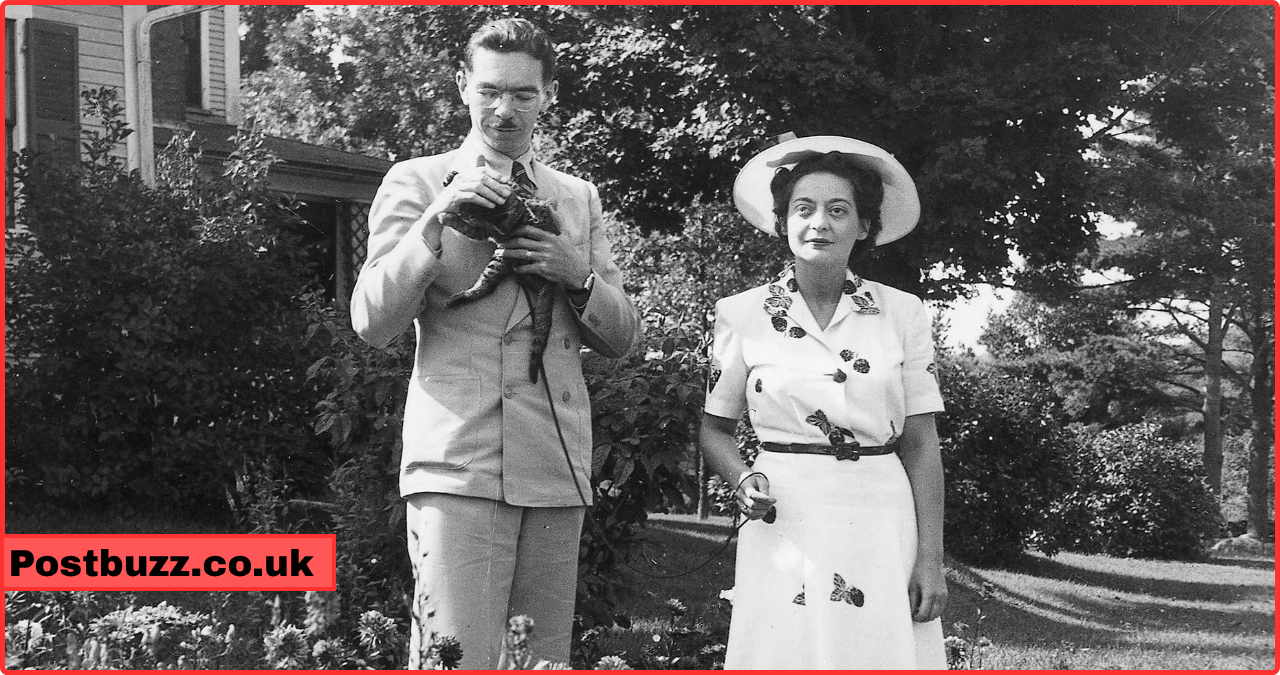
Joy Davidman remains a fascinating literary figure whose life story continues to capture readers across the United Kingdom and beyond. Known primarily as the wife of C. S. Lewis, her identity extends far beyond that association. She was an accomplished poet, novelist, and intellectual thinker who challenged societal norms of her time. Her journey from America to England represents both a physical and emotional transformation shaped by faith, love, and resilience. Understanding her life offers valuable insights into literature, religion, and personal reinvention in the twentieth century.
Early Life and Education
Born in 1915 in New York, Joy Davidman grew up in a culturally rich yet intellectually demanding environment. Her parents encouraged education and curiosity, which led her to excel academically from an early age. She attended Hunter College, where she graduated with honours in English literature, showcasing her early passion for writing. During her youth, she embraced atheism and was influenced by political ideologies, particularly communism, which later shaped her early works. This phase of her life reveals a complex thinker navigating identity, belief systems, and artistic expression during a period of global uncertainty.
Literary Career and Achievements
Joy Davidman began her career as a poet, earning recognition with her award-winning collection “Letter to a Comrade.” Her writing reflected strong political themes and emotional depth, resonating with readers during the 1930s and 1940s. She later transitioned into novel writing and screenwriting, demonstrating her versatility across genres. Her work was characterised by intellectual rigour and a fearless exploration of social issues, including inequality and personal struggle. Despite facing challenges as a female writer in a male-dominated industry, she carved out a respectable place within literary circles, particularly in America before her move to England.
Conversion to Christianity
One of the most significant turning points in Joy Davidman’s life was her conversion to Christianity, which deeply influenced her worldview and writing. Initially sceptical of religion, she experienced a profound spiritual awakening that led her to explore Christian theology. This transformation brought her into correspondence with C. S. Lewis, whose works had a strong impact on her evolving beliefs. Her conversion marked a shift from political ideology to spiritual introspection, redefining her identity and creative expression. This change also laid the foundation for her eventual relationship with Lewis, both intellectually and emotionally.
Relationship with C. S. Lewis
The relationship between Joy Davidman and C. S. Lewis is one of the most discussed aspects of her life. Initially connected through letters, their friendship gradually deepened into companionship and eventually marriage. They married civilly in 1956, primarily for legal reasons, but later solemnised their union in a Christian ceremony. Their partnership was built on mutual respect, intellectual exchange, and emotional support, challenging conventional expectations of relationships at the time. Joy’s presence brought warmth and complexity to Lewis’s life, influencing his personal growth and reshaping his understanding of love and commitment.
Influence on C. S. Lewis’s Work
Joy Davidman had a profound impact on the writings of C. S. Lewis, particularly during the later years of his career. Her intellectual insight and emotional depth contributed to his evolving perspectives on faith, suffering, and human relationships. Scholars often suggest that her influence can be seen in works such as “Till We Have Faces” and his reflections on grief. Following her death, Lewis wrote “A Grief Observed,” a deeply personal account of loss that highlighted the depth of his love for her. Her influence continues to be recognised as a vital element in understanding Lewis’s later works.
Personal Challenges and Health Struggles

Joy Davidman’s life was marked by significant personal challenges, including a difficult first marriage and financial hardships. After divorcing her first husband, she relocated to England with her children, seeking a fresh start. Her resilience during this period demonstrated her strength and determination to rebuild her life. Tragically, she was diagnosed with bone cancer, which brought immense physical and emotional suffering. Despite her illness, she maintained her intellectual engagement and emotional connection with those around her. Her courage in facing adversity remains one of the most inspiring aspects of her life story.
Death and Legacy
Joy Davidman passed away in 1960, leaving behind a legacy that continues to resonate in literary and religious discussions. Her life story has been portrayed in various adaptations, including stage plays and films, most notably “Shadowlands,” which explores her relationship with C. S. Lewis. Her contributions to literature and her influence on Lewis have ensured that her name remains relevant decades after her passing. Today, she is recognised not only as a writer but also as a transformative figure in the life of one of Britain’s most celebrated authors.
Joy Davidman in Modern Perspective
In modern times, Joy Davidman is increasingly appreciated as an independent literary voice rather than solely as Lewis’s wife. Scholars and readers alike have begun to re-evaluate her work, recognising its depth and significance within twentieth-century literature. Her journey of faith, intellectual exploration, and personal resilience resonates with contemporary audiences facing similar questions about identity and belief. In the United Kingdom, interest in her life continues to grow, particularly among readers of Christian literature and historical biographies. Her story serves as a reminder of the enduring power of transformation and the importance of recognising overlooked voices.
Conclusion
Joy Davidman’s life is a compelling narrative of intellectual growth, personal resilience, and transformative love. While often associated with C. S. Lewis, her individual achievements and contributions deserve equal recognition. From her early days as a politically engaged writer to her later years as a deeply reflective Christian thinker, she demonstrated remarkable adaptability and depth. Her influence on literature and her enduring legacy continue to inspire readers and scholars alike. Ultimately, Joy Davidman stands as a powerful example of how personal experiences can shape not only one’s own life but also the work of others in profound ways.
FAQs
Who was Joy Davidman?
Joy Davidman was an American poet, novelist, and essayist best known for her marriage to C. S. Lewis and her influence on his later works.
What is Joy Davidman famous for?
She is famous for her literary contributions and her role in shaping the personal and intellectual life of C. S. Lewis.
Did Joy Davidman write any books?
Yes, she wrote poetry collections, novels, and essays, including “Letter to a Comrade,” which gained critical recognition.
How did Joy Davidman meet C. S. Lewis?
They initially connected through correspondence, discussing theology and literature before eventually meeting in person.
What impact did she have on C. S. Lewis?
She significantly influenced his understanding of love, faith, and suffering, which is reflected in his later writings.
You may also read
tom mairs