
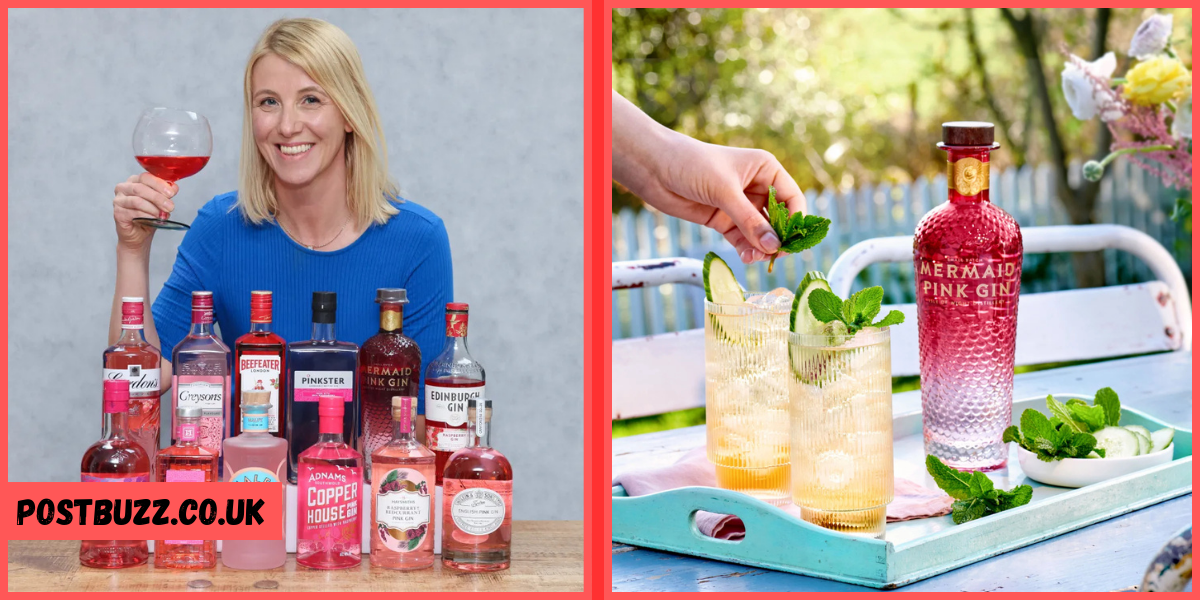
Pink gin is a contemporary twist on traditional gin, offering a subtly sweeter and fruitier flavour profile. Originally created in the 19th century by British sailors, it has evolved into a modern favourite enjoyed across the United Kingdom. Unlike classic London Dry Gin, pink gin often incorporates botanicals such as berries, rhubarb, and hibiscus, giving it a delicate pink hue. Its unique flavour makes it ideal for both casual sipping and sophisticated cocktails. Today, pink gin is not just a drink but a trend, appearing on menus at bars, restaurants, and social gatherings. It appeals to those seeking something refreshing yet elegant.
History of Pink Gin
Pink gin has a rich maritime history that dates back to the Royal Navy in the 1800s. Sailors mixed Angostura bitters with gin to mask the bitter taste of seawater rations, inadvertently creating a drink with a subtle pink tint. Over time, the recipe evolved, and distillers began adding natural fruit extracts to achieve the pink hue and a smoother flavour. In the United Kingdom, pink gin surged in popularity during the 21st century, becoming a favourite among younger generations. Its aesthetic appeal also contributed to its rise, as social media users often share vibrant pink cocktails. Today, pink gin is celebrated for both its taste and visual charm.
Flavours and Ingredients
The defining characteristic of pink gin is its fruity and floral notes, which differentiate it from traditional gin. Common botanicals include raspberries, strawberries, rhubarb, and hibiscus, offering a sweet but balanced taste. Some premium brands also incorporate subtle spices to enhance depth and aroma. Despite these additions, the base remains a quality London Dry Gin, ensuring a crisp and clean finish. The sweetness is never overpowering, making pink gin versatile for mixed drinks or enjoying over ice. Its light flavour profile appeals to casual drinkers and connoisseurs alike, making it suitable for a variety of occasions.
Popular Pink Gin Brands in the UK
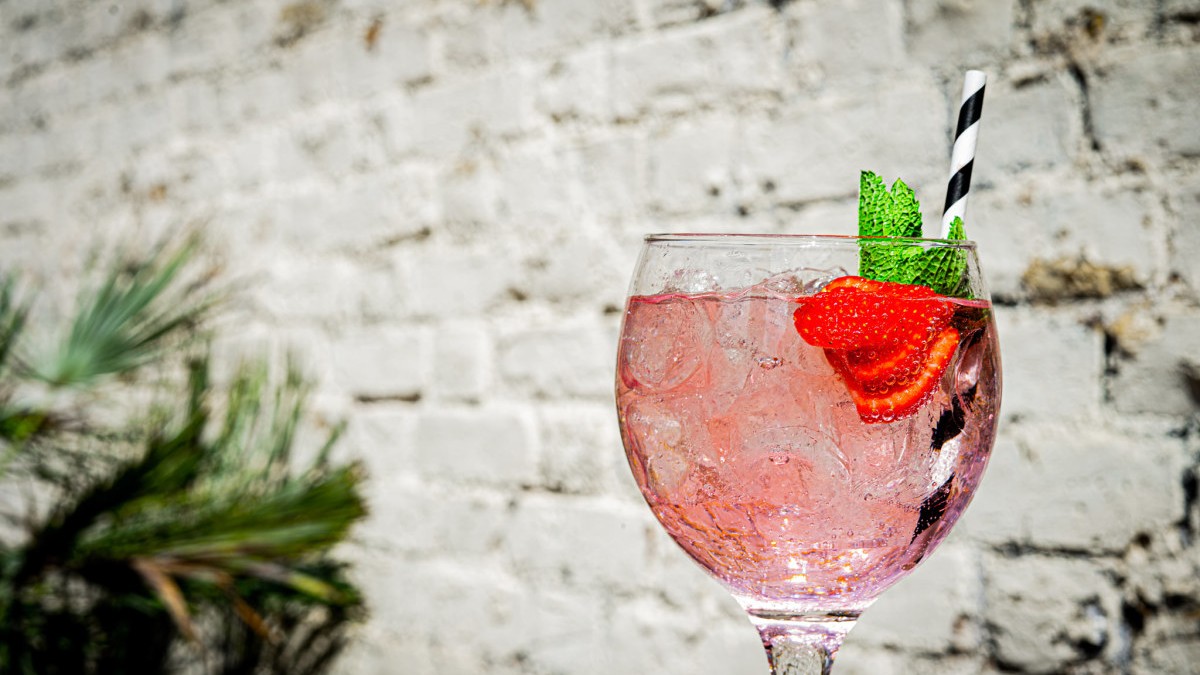
Several pink gin brands have become household names in the United Kingdom. Hendrick’s Pink Gin is known for its floral and berry infusion, while Bloom Pink Gin emphasises fresh raspberry flavours with a hint of citrus. Other notable brands include Whitley Neill Rhubarb & Ginger Gin and Sipsmith London Strawberry & Rose Gin, both offering unique botanical blends. These gins are widely available in supermarkets, specialty liquor stores, and online retailers. Consumers often choose a brand based on taste preference, colour intensity, and alcohol content. The growing variety has made pink gin a popular choice for both gifting and personal enjoyment.
How to Serve Pink Gin
Pink gin is versatile and can be enjoyed in several ways. A classic approach is to serve it chilled, over ice, in a simple glass to highlight its colour and aroma. Mixing pink gin with tonic water and a slice of fresh fruit, such as strawberries or lemon, enhances its natural flavours. For cocktails, bartenders often pair it with sparkling wine or elderflower liqueur for a refreshing twist. Pink gin can also be used in summer punches or festive drinks, providing both taste and visual appeal. Its low bitterness and fruity notes make it suitable for social gatherings and casual evenings alike.
Health Considerations
While pink gin is enjoyed for its taste, moderation is key, as with any alcoholic beverage. It typically contains a similar alcohol content to standard gin, around 37.5–40% ABV, so responsible consumption is important. Some pink gins include added sugars or fruit extracts, which may slightly increase caloric content. Drinking with water or in cocktails with lower sugar mixers can help manage intake. For individuals monitoring their alcohol or sugar consumption, it is advisable to check the label for nutritional information. Overall, pink gin can be a delightful addition to social occasions when enjoyed sensibly.
Pink Gin Cocktails
Pink gin lends itself to a wide variety of cocktail creations. The Pink Gin & Tonic is a refreshing classic, combining crisp tonic with berries for a balanced taste. Another popular option is the Pink Gin Fizz, mixing gin, soda, and a splash of citrus juice for a sparkling treat. For festive occasions, bartenders often craft the Raspberry Pink Martini, blending vodka, pink gin, and raspberry syrup for a sweet yet sophisticated drink. The versatility of pink gin allows experimentation, making it ideal for home mixologists and professional bartenders. Its unique colour also makes it visually striking for Instagram-worthy drinks.
Conclusion
Pink gin has become a modern classic in the United Kingdom, appreciated for its fruity flavour, elegant colour, and cocktail versatility. From its naval origins to contemporary cocktail bars, pink gin offers a unique drinking experience. Its gentle sweetness and vibrant hues make it suitable for both casual enjoyment and sophisticated occasions. With a growing variety of brands and flavours available, there is a pink gin to suit every palate. Whether enjoyed straight, mixed with tonic, or crafted into a creative cocktail, pink gin remains a delightful and stylish choice for gin enthusiasts across the UK.
FAQs
Q1: Is pink gin sweeter than regular gin?
Yes, pink gin is generally fruitier and slightly sweeter due to added botanicals like berries and rhubarb, though it maintains a crisp gin base.
Q2: Can I drink pink gin straight?
Absolutely. Many enjoy it chilled over ice to appreciate its delicate flavours and aroma.
Q3: What mixers go best with pink gin?
Tonic water, soda, lemon, and elderflower are popular options that complement pink gin without overpowering its taste.
Q4: Is pink gin lower in alcohol?
Most pink gins have a similar ABV to traditional gin, around 37.5–40%, so it should be consumed responsibly.
Q5: Can pink gin be used in cocktails?
Yes, it is highly versatile and can be used in a variety of cocktails, including martinis, fizzes, and summer punches.
You may also read
