
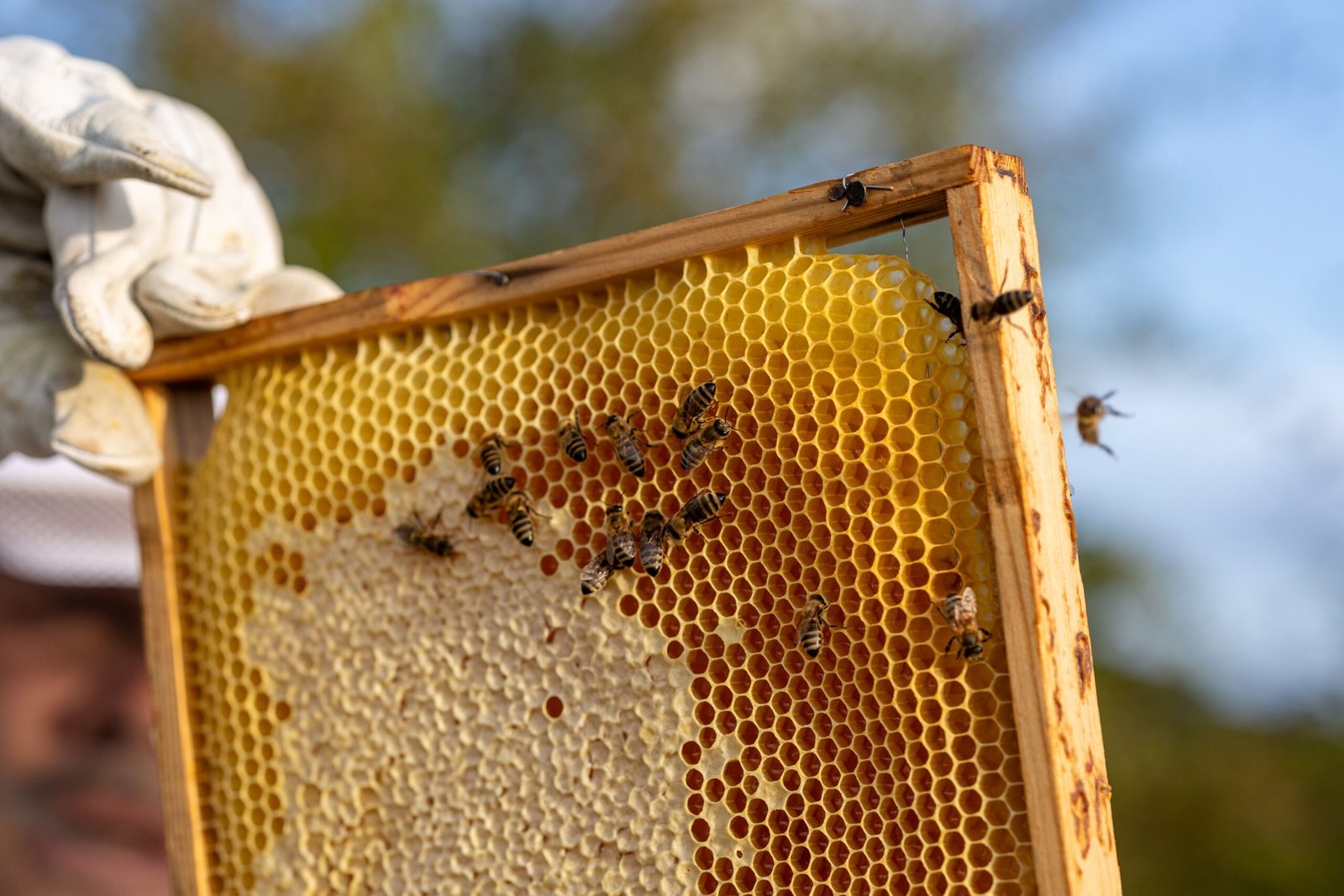
Introduction
Beekeeping is a rewarding activity that supports pollination, honey production, and environmental sustainability. Whether someone manages a few backyard hives or operates a larger commercial apiary, working closely with honey bees requires preparation, knowledge, and proper equipment. Among the most important investments a beekeeper can make is high-quality protective gear. While experience and handling techniques play significant roles in hive management, the equipment worn during inspections and maintenance can greatly influence both safety and efficiency.
Quality protective equipment helps beekeepers perform essential tasks with greater confidence and comfort. It can reduce distractions, improve mobility, and contribute to a more positive experience when working around active colonies. Understanding the benefits of dependable protective gear highlights why it remains a critical part of responsible beekeeping practices.
Enhanced Safety During Hive Inspections
One of the most obvious benefits of quality protective equipment is improved safety. Even well-managed colonies can become defensive under certain conditions, particularly during weather changes, hive disturbances, or seasonal population increases. Reliable protective gear helps create a barrier between the beekeeper and potential stings.
High-quality veils, gloves, jackets, and suits are designed to minimize exposed areas and reduce opportunities for bees to make contact with the skin. Strong zippers, secure elastic closures, and reinforced seams contribute to more complete protection during hive activities.
When beekeepers feel safe, they can focus more effectively on inspecting brood patterns, evaluating colony health, checking food stores, and identifying potential issues within the hive. Rather than becoming distracted by concerns about stings, they can devote their attention to the management tasks that support colony success.
Quality equipment also provides valuable reassurance for newer beekeepers who may still be developing confidence around active colonies. A greater sense of security often promotes calmer movements and better overall handling techniques.
Greater Comfort During Extended Work Sessions
Beekeeping often involves spending significant amounts of time outdoors in varying temperatures and weather conditions. Comfort becomes particularly important when inspecting multiple hives or performing seasonal maintenance tasks.
Many modern beekeeping products are designed with comfort in mind. Ventilated suits, breathable fabrics, adjustable fittings, and ergonomic designs help improve airflow and reduce heat buildup during warmer months. These features allow beekeepers to work more comfortably for longer periods.
For example, many experienced beekeepers prefer protective bee clothing that incorporates layered mesh ventilation systems. Such designs help maintain protection while promoting airflow, which can be especially valuable during summer hive inspections.
Comfort contributes directly to productivity. A beekeeper who remains cool and comfortable is generally able to concentrate more effectively and complete inspections with greater accuracy. Reduced fatigue can also improve decision-making and overall hive management.
Investing in gear designed for comfort often leads to a more enjoyable and sustainable beekeeping experience.
Improved Confidence and Efficiency
Confidence plays a significant role in successful beekeeping. Hesitation, rushed movements, or unnecessary anxiety can sometimes disturb bees and make hive inspections more difficult than they need to be.
Quality protective equipment helps eliminate many of these concerns. When beekeepers trust their gear, they are often more comfortable approaching hives and carrying out detailed inspections. This confidence supports calmer interactions with the colony and helps create a more controlled working environment.
Efficient hive management depends on the ability to handle frames carefully, identify developing issues, and complete inspections without unnecessary delays. Well-designed protective gear supports these activities by allowing sufficient mobility, visibility, and dexterity.
A clear veil, properly fitted gloves, and flexible protective clothing make it easier to perform precision tasks while maintaining safety. Beekeepers can manipulate hive tools, inspect brood cells, and evaluate colony conditions with greater ease.
Increased confidence and efficiency often contribute to better overall colony management and a more productive apiary operation.
Long-Term Durability and Reliability
Another important benefit of quality protective equipment is durability. Beekeeping gear is frequently exposed to sunlight, dirt, propolis, honey residue, moisture, and repeated washing. Inferior products may wear out quickly, leading to additional expenses and potential safety concerns.
High-quality gear is usually constructed using stronger materials and reinforced components designed to withstand regular use. Durable stitching, heavy-duty zippers, reinforced veils, and quality fabrics help ensure that equipment remains effective over time.
Reliable gear also reduces the likelihood of unexpected failures during hive inspections. A damaged zipper, torn glove, or weakened seam can compromise protection and create unnecessary risks while working around bees.
Although premium equipment may involve a higher initial investment, many beekeepers find that long-lasting products provide better value over time. Reduced replacement costs and improved reliability often justify the additional expense.
Durable equipment supports a more consistent beekeeping routine and helps ensure ongoing protection throughout multiple seasons.
Better Focus on Colony Health and Management
Ultimately, the primary purpose of protective equipment is not simply to prevent stings. Its greater value lies in allowing beekeepers to focus fully on the health and management of their colonies.
Successful beekeeping requires careful observation and attention to detail. Inspections often involve monitoring brood development, evaluating queen performance, identifying pests, assessing honey stores, and recognizing signs of disease or stress. These tasks demand concentration and patience.
When protective gear functions effectively, it removes many of the distractions that can interfere with accurate assessments. Beekeepers can spend the necessary time evaluating colony conditions without feeling rushed or uncomfortable.
This improved focus often leads to better decision-making and more proactive hive management. Potential problems may be identified earlier, allowing for timely interventions that support colony strength and productivity.
Protective equipment therefore contributes not only to beekeeper safety but also indirectly to the well-being and success of the bees themselves.
Conclusion
Quality protective equipment offers numerous benefits for beekeepers, including enhanced safety, greater comfort, improved confidence, long-term durability, and better focus during hive management activities. These advantages help create a more productive and enjoyable beekeeping experience while supporting responsible colony care. Whether managing a single hive or a large apiary, investing in dependable protective gear can make daily tasks safer, more efficient, and less stressful. As an essential component of modern beekeeping, quality equipment provides the protection and reliability needed to support both beekeeper success and healthy colony development.
