
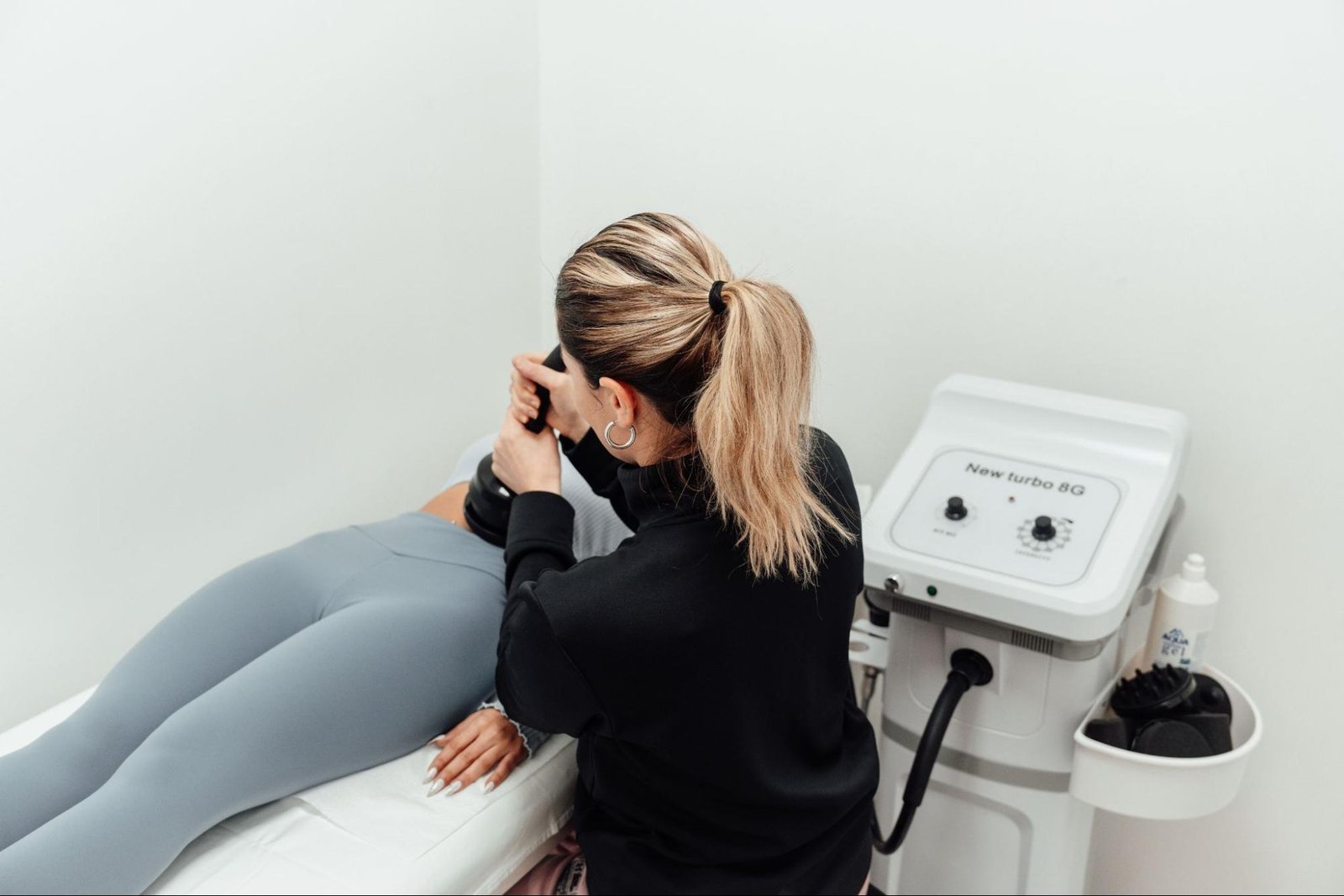
A professional cavitation machine can be a useful addition to a beauty salon, aesthetic clinic, or professional body-contouring business. These machines are designed to support non-invasive aesthetic treatments, often using ultrasound cavitation technology to target areas where clients want a smoother body contour.
However, choosing the right machine is not simply about finding the model with the most features. Treatment technology, safety controls, build quality, usability, maintenance, and the needs of your clients all matter.
What Is a Professional Cavitation Machine?
A professional cavitation machine is an aesthetic device that commonly uses low-frequency ultrasound to deliver energy through a treatment head placed against the skin.
The technology is generally marketed for non-invasive body contouring and cosmetic treatments. Unlike surgical procedures, treatments are performed externally and do not require incisions.
Professional models are usually designed for trained practitioners rather than occasional home use. They may offer adjustable settings, ergonomic handpieces, treatment timers, display controls, and additional technologies such as radio frequency or vacuum therapy.
How Does Cavitation Technology Work?
Ultrasound cavitation uses sound waves at specific frequencies. When applied through a suitable treatment head and coupling medium, the energy interacts with the tissues beneath the skin.
The exact biological effects depend on the machine’s frequency, power, treatment technique, and the individual receiving the treatment. This is why professional training and following the manufacturer’s instructions are important.
It is also worth keeping expectations realistic. Cavitation should not be presented as a replacement for weight loss, exercise, or medical treatment.
Why Choose a Professional Cavitation Machine?
The main reason businesses choose professional equipment is greater control over the treatment process.
A quality professional cavitation machine may provide adjustable treatment parameters, clear displays, interchangeable handpieces, preset programs, and safety features that make treatments more consistent.
For a busy salon or clinic, reliability is equally important. A machine that is difficult to operate or frequently requires repairs can quickly become inconvenient and expensive.
What Can a Professional Cavitation Machine Be Used For?
Professional cavitation systems are primarily associated with non-invasive body-contouring treatments.
Common treatment areas may include:
- Abdomen
- Waist
- Hips
- Thighs
- Arms
- Other suitable areas specified by the manufacturer
The appropriate treatment area depends on the particular machine, its approved use, and the practitioner’s training.
Some multifunction systems also combine cavitation with other aesthetic technologies. These can include radio frequency, vacuum therapy, LED functions, or additional skin-focused treatments.
Cavitation vs. Traditional Weight Loss
One of the biggest misconceptions about cavitation is that it is a weight-loss treatment.
It is better understood as an aesthetic body-contouring procedure. A client may be interested in improving the appearance of a particular area rather than reducing overall body weight.
Healthy nutrition, physical activity, sleep, and other lifestyle factors remain important for managing body weight.
A professional should avoid promising dramatic or guaranteed results. Individual responses can vary considerably.
What Features Should You Look For?
Not every machine marketed as professional offers the same level of functionality. Before buying equipment, look closely at the specifications and supporting documentation.
1. Adjustable Settings
Adjustable treatment parameters can make it easier for trained practitioners to select appropriate settings for different clients and treatment areas.
Avoid choosing a machine simply because it has the highest power rating. Higher output does not automatically mean better treatment.
2. Quality Treatment Handpieces
The handpiece is one of the most important parts of the system because it is in direct contact with the treatment area.
Look for comfortable ergonomics, durable construction, easy-to-clean surfaces, and clear information about the intended use of each handpiece.
3. User-Friendly Controls
A complicated interface can increase the chance of operating errors.
A good professional machine should have controls that are easy to understand. A clear display, treatment timer, accessible settings, and straightforward instructions can make a significant difference during busy appointments.
4. Safety Features
Safety should be one of the first things you investigate.
Depending on the equipment, useful features may include treatment timers, controlled energy output, temperature monitoring, emergency stop functions, and automatic shutdown systems.
The exact features vary between manufacturers, so read the technical documentation instead of assuming that every machine provides the same protection.
5. Build Quality
A machine used throughout the week needs to withstand regular professional use.
Pay attention to the housing, cables, connectors, wheels, handpieces, display, and overall construction. A low purchase price can become less attractive if replacement parts are difficult to obtain.
Why Training Matters
Buying professional equipment is only part of providing a professional treatment.
Practitioners should understand how the technology works, how to operate the specific machine, how to select appropriate settings, and when treatment should not be performed.
Training should also cover client consultation, treatment preparation, hygiene, aftercare, record keeping, and recognising situations that require referral to an appropriate healthcare professional.
A machine manual should never be treated as a substitute for proper professional training.
Client Consultation Before Treatment
A consultation gives the practitioner an opportunity to understand what the client wants and whether the proposed treatment is appropriate.
Ask about relevant medical history, medications, previous procedures, allergies, skin conditions, and other factors that could affect treatment suitability.
The exact contraindications depend on the technology and manufacturer’s instructions. When there is uncertainty, the safest approach is to seek appropriate medical advice rather than proceeding.
How Is a Cavitation Treatment Performed?
The exact procedure varies between machines and practitioners, but a typical session may involve several basic stages.
First, the practitioner discusses the client’s goals and checks whether the treatment is suitable. The treatment area is then prepared according to the manufacturer’s instructions.
A suitable coupling medium or gel may be applied to allow the treatment head to move smoothly and transmit ultrasound energy appropriately.
The practitioner then uses the treatment handpiece over the selected area while following the recommended movement pattern, settings, and treatment duration.
Afterward, the area is cleaned and the client receives appropriate aftercare information.
How Long Does a Treatment Take?
Treatment time depends on the size of the area, the machine, the treatment protocol, and the practitioner’s approach.
A smaller treatment area may require less time than treating multiple areas during the same appointment.
Rather than advertising a fixed treatment time for every client, businesses should follow the manufacturer’s recommendations and create treatment plans based on individual circumstances.
How Often Can Treatments Be Performed?
There is no single schedule that applies to every cavitation machine or every client.
Treatment frequency should be based on the manufacturer’s instructions, the technology being used, the treatment area, and the client’s response.
Professionals should avoid assuming that more frequent treatments will automatically produce better results.
Keeping treatment records can help practitioners monitor the client’s progress and make informed decisions about future appointments.
Is a Professional Cavitation Machine Safe?
When appropriate equipment is used correctly by trained professionals and according to the manufacturer’s instructions, non-invasive aesthetic treatments can generally be performed safely.
However, “non-invasive” does not mean “risk-free.”
Temporary effects such as redness, sensitivity, swelling, warmth, or discomfort may occur depending on the technology and individual response.
Clients should be informed about potential risks before treatment. Any unusual or persistent reaction should be taken seriously and assessed appropriately.
What About Cavitation Machine Side Effects?
Potential side effects vary depending on the device and the combination of technologies being used.
A client may experience temporary skin redness, warmth, tenderness, or sensitivity after treatment. If a multifunction device includes radio frequency or vacuum technology, those technologies can have their own considerations.
This is another reason to avoid treating all machines as interchangeable. The practitioner needs to understand the specific device being used.
Professional Cavitation Machine vs. Home Machine
The biggest difference is usually the intended user and level of professional functionality.
A home-use product may be designed for occasional personal use with simplified controls and lower output. A professional system may provide more control and be designed for repeated use in a commercial environment.
However, professional equipment also comes with greater responsibility. Training, appropriate treatment protocols, hygiene, maintenance, and compliance requirements need to be taken seriously.
How Much Does a Professional Cavitation Machine Cost?
Prices can vary significantly.
Basic professional systems may cost considerably less than advanced multifunction platforms. Machines combining cavitation with radio frequency, vacuum, or other technologies generally cost more.
The purchase price should not be the only consideration. Calculate the complete cost of ownership, including:
- Machine purchase price
- Training
- Delivery and installation
- Warranty
- Replacement handpieces
- Consumables
- Maintenance
- Repairs
- Insurance or business requirements
- Manufacturer support
A machine that costs slightly more but has reliable support and readily available parts may provide better long-term value.
How to Choose the Right Machine for Your Business
Start by identifying what treatments you actually plan to offer.
If your business only needs ultrasound cavitation, buying a complicated multifunction machine may not be necessary. On the other hand, a clinic that already offers several aesthetic services may benefit from a system that combines multiple technologies.
Consider your expected client volume, available treatment space, practitioner experience, budget, and future service plans.
The best machine is the one that fits your business rather than simply the one with the longest feature list.
Check the Manufacturer Carefully
The manufacturer is just as important as the equipment itself.
Before purchasing, investigate how long the company has been operating, whether technical support is available, where replacement parts come from, and whether training is provided.
Ask for complete technical specifications and user documentation.
Be cautious when a seller makes unrealistic claims about guaranteed fat loss, permanent results, or dramatic transformations. Professional equipment should be supported by clear and responsible information.
Look at Warranty and After-Sales Support
A warranty can protect your investment, but the details matter.
Check what the warranty covers, how long it lasts, who pays for shipping during repairs, and whether handpieces and accessories are included.
Also ask what happens if the machine develops a fault after the warranty period.
Good after-sales support can save a business significant downtime.
Maintaining Your Cavitation Machine
Regular maintenance helps protect both the machine and the quality of treatments.
Clean treatment heads according to the manufacturer’s instructions after use. Inspect cables and connectors regularly and keep the equipment away from excessive moisture or unsuitable storage conditions.
Do not attempt complicated repairs unless you are qualified and authorised to do so.
Keeping maintenance records is also useful for professional businesses because it creates a clear history of servicing and equipment checks.
Common Mistakes When Buying Cavitation Equipment
One common mistake is choosing a machine based only on price.
The cheapest option may not provide the reliability, support, training, or build quality required for frequent professional use.
Another mistake is focusing too heavily on marketing claims. Terms such as “maximum power,” “advanced technology,” and “instant results” can sound impressive but do not necessarily tell you whether the machine is appropriate for your business.
A third mistake is ignoring practitioner training. Even excellent equipment can be used incorrectly without proper knowledge.
Questions to Ask Before Buying
Before committing to a professional cavitation machine, ask the supplier:
- What is the operating frequency?
- What treatment applications is the machine designed for?
- What settings can the practitioner adjust?
- What safety features are included?
- Is professional training available?
- How long is the warranty?
- Are replacement handpieces available?
- How quickly can repairs be handled?
- What maintenance is required?
- Does the machine have the documentation required for its intended market?
- What consumables are needed?
- Is technical support available after purchase?
Getting clear answers can help you compare machines objectively.
How to Get Better Value From Your Investment
A professional machine can become a useful business asset when it is incorporated into a well-designed treatment service.
Start with proper training and consistent treatment protocols. Give clients realistic information rather than making exaggerated promises.
Keep accurate treatment records and review client feedback. Good customer service can be just as important as the equipment itself.
Businesses should also consider how the treatment fits alongside their existing services. A new machine is more valuable when it fills a genuine customer need rather than simply adding another piece of equipment to the treatment room.
Is a Professional Cavitation Machine Worth It?
For the right business, it can be.
Salons and aesthetic clinics that already have clients interested in non-invasive body-contouring services may find that professional cavitation equipment expands their service offering.
The investment makes more sense when the business has trained practitioners, appropriate facilities, reliable equipment support, and a realistic plan for attracting and retaining clients.
The machine itself is only one part of the equation. Good consultation, correct technique, safety procedures, and honest communication all contribute to a professional service.
Final Thoughts
Choosing a professional cavitation machine requires more research than simply comparing prices online.
Look at the technology, controls, handpieces, safety features, manufacturer reputation, training, warranty, maintenance, and long-term support. Most importantly, make sure the equipment matches the treatments you intend to provide.
When used responsibly by trained professionals, cavitation technology can be part of a broader non-invasive aesthetic service. The strongest approach is to focus on realistic client expectations, proper procedures, and quality equipment rather than promising instant or guaranteed results.
