
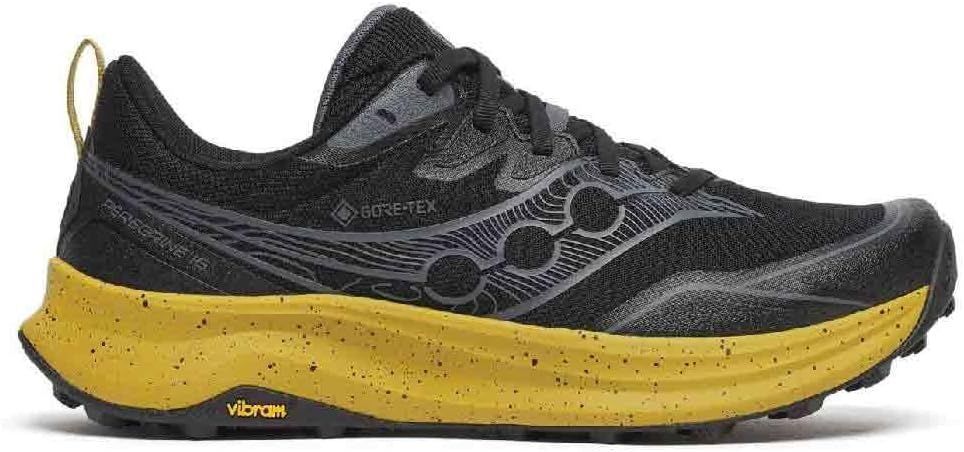
Trail running sits somewhere between running and hiking, combining the rhythm of a road run with the unpredictability of the outdoors. Muddy paths, wet grass, rocky climbs, shallow streams, and sudden rain can all turn an ordinary route into a challenging adventure. That is why choosing the right footwear matters.
The right pair should keep your feet reasonably dry while providing reliable traction, comfort, stability, and durability across changing terrain. If you’re searching for the best waterproof trail running shoes, there are several important features worth considering before making a decision.
Start With the Right Level of Waterproofing
Waterproofing is one of the first things to evaluate, but more waterproof isn’t always better for every runner.
Water-resistant shoes can handle light moisture, wet grass, and brief exposure to rain. Fully waterproof models are better suited to consistently wet conditions, muddy trails, or routes where puddles and shallow water are common.
However, waterproof construction can sometimes reduce breathability. If you regularly run in warm or humid weather, a highly waterproof shoe may cause your feet to feel warmer than they would in a more breathable model.
Think about the conditions you actually encounter rather than choosing waterproofing based solely on the label.
Look Closely at Traction and Grip
Trail surfaces can change dramatically within a single run. A dry dirt path may suddenly become loose gravel, wet rock, mud, or a steep downhill section.
The outsole plays a major role here. Look for a tread pattern that matches the terrain you expect to encounter. Deeper, more aggressive lugs can be useful on muddy or soft trails because they can provide additional grip. For hard-packed trails and mixed surfaces, a moderately lugged outsole may offer a better balance between traction and smooth movement.
It’s also worth considering how the rubber performs on wet surfaces. Good traction isn’t simply about having large lugs; the outsole compound and tread design both influence how confidently a shoe grips the ground.
Prioritize Comfort and a Secure Fit
Even the most capable trail shoe won’t be useful if it causes discomfort after a few miles.
Your heel should feel securely held without excessive pressure, while your toes should have enough room to move naturally. This is particularly important on descents, when your feet can slide forward inside a poorly fitted shoe.
Try shoes with the socks you normally wear for running. If possible, walk or jog in them before committing to a longer adventure. Pay attention to pressure around the toes, heel, arch, and ankle.
A comfortable fit should feel secure without being restrictive.
Consider the Terrain You Run Most
Your typical trail environment should influence your choice as much as the weather.
For forest paths and maintained trails, lightweight shoes with moderate protection and versatile traction may be sufficient. Rocky or technical routes can require more underfoot protection and a stable platform. Meanwhile, muddy trails generally benefit from deeper lugs that can shed mud more effectively.
If you run across a mixture of surfaces, look for a versatile model rather than buying a shoe designed exclusively for one type of terrain.
Think About Weather Conditions
Weather can change both the trail and the demands placed on your shoes. Rain may turn firm ground into slippery mud, while cold temperatures can make wet feet particularly uncomfortable.
For frequent wet-weather adventures, waterproof uppers can help limit water entering from above. But remember that water can still enter through the collar or openings around the ankle, so waterproof shoes aren’t necessarily designed for prolonged submersion.
In warmer conditions, ventilation becomes more important. A balance between weather protection and breathability can help keep your feet more comfortable over longer distances.
Don’t Overlook Durability
Trail running puts footwear through more abuse than many road-running environments. Rocks, roots, mud, branches, and uneven surfaces can all contribute to wear.
Look for reinforced areas around the toe and heel, sturdy stitching or construction, and an outsole designed for regular contact with rough surfaces. Durability doesn’t mean a shoe needs to feel heavy, though. Modern trail footwear often combines protective elements with relatively lightweight construction.
How long a shoe lasts will also depend on mileage, terrain, running style, cleaning habits, and how frequently it is used.
Make the Choice Based on Your Adventures
There isn’t one waterproof trail running shoe that will be perfect for every runner. The ideal choice depends on where you run, how often you encounter wet conditions, the type of terrain beneath your feet, and how much protection and cushioning you prefer.
Before buying, consider waterproofing, traction, grip, comfort, fit, breathability, durability, and terrain together. A shoe that performs well across those areas is more likely to become a dependable part of your outdoor gear.
Ultimately, the best footwear is the pair that matches your environment and feels secure and comfortable throughout the adventure. Take the time to understand your routes and conditions, and you’ll be better prepared to choose a trail shoe that can handle whatever the path puts in front of you. For runners looking to explore a variety of waterproof footwear options, visit WaterproofSole.com.
