
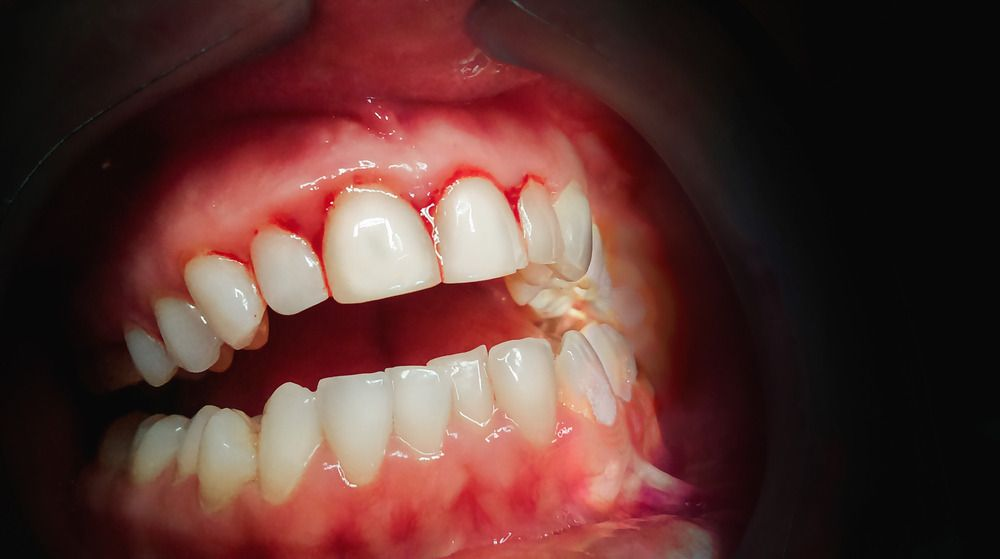
Bleeding Gums Are Often an Early Warning Sign
Many people notice a small amount of blood when brushing or flossing and assume it is nothing to worry about, especially if there is no pain. Because the bleeding stops quickly, it can be easy to dismiss it as brushing too hard or accidentally irritating the gums. However, healthy gums generally should not bleed during normal oral hygiene. Even when there is no discomfort, bleeding can be one of the earliest signs of gum disease and should not be ignored.
One reason gum disease often goes untreated is that it develops gradually. In its early stages, inflammation may cause redness, swelling or bleeding without noticeable pain. By the time discomfort appears, the condition may have progressed to a more advanced stage that requires more extensive treatment. Early recognition and prompt dental care can help prevent long-term damage to the gums and the structures supporting the teeth.
Common Causes of Bleeding Gums
The most common cause of bleeding gums is the build-up of plaque along the gumline. Plaque is a sticky film of bacteria that forms naturally on the teeth throughout the day. If it is not removed through effective brushing and cleaning between the teeth, it can harden into tartar, which cannot usually be removed at home and requires professional cleaning. The bacteria within plaque and tartar can irritate the gums, leading to inflammation known as gingivitis.
Poor oral hygiene is another major contributing factor. Inconsistent brushing or flossing allows bacteria to accumulate, increasing the likelihood of gum inflammation. While brushing and flossing are essential, technique also matters. Using excessive force or a hard-bristled toothbrush may irritate delicate gum tissue and contribute to bleeding, although persistent bleeding usually indicates underlying inflammation rather than brushing alone.
Early periodontal disease can also cause bleeding gums. Unlike gingivitis, which affects the gums, periodontitis damages the tissues and bone that support the teeth. Because this process often occurs gradually and with minimal discomfort, many people remain unaware of the condition until more serious symptoms develop.
Why It Should Not Be Ignored
Ignoring bleeding gums can allow a relatively minor problem to develop into a more serious condition. When plaque and bacteria remain around or below the gumline, inflammation may progress from gingivitis to periodontitis. At this stage, the condition affects deeper tissues and the bone supporting the teeth, making the damage more difficult to manage.
As gum disease progresses, the gums may begin to recede, exposing the roots of the teeth and increasing sensitivity. Deep pockets can form between the gums and teeth, creating conditions in which bacteria can continue to accumulate. Over time, bone loss may occur, reducing the stability of the teeth and increasing the risk of tooth loss.
Persistent gum inflammation has also been associated with broader health conditions. While these relationships are complex and continue to be studied, maintaining healthy gums remains an important part of overall health and wellbeing.
How a Dentist in Pyrmont Can Help
If your gums bleed regularly, a professional dental examination can help determine the underlying cause. A Dentist in Pyrmont can examine the gums for signs of inflammation, plaque accumulation, tartar deposits, gum recession and periodontal pockets. These assessments help determine whether the bleeding is caused by gingivitis or a more advanced form of gum disease.
Professional cleaning is often one of the first steps in treatment. During the appointment, hardened plaque and tartar are removed from areas that cannot be cleaned effectively at home. Removing these irritants allows the gums to heal and helps reduce ongoing inflammation. In many cases, early gingivitis can improve significantly when professional cleaning is combined with better daily oral hygiene.
The examination may also identify other factors contributing to bleeding, including worn dental restorations, brushing technique, certain medications or underlying medical conditions that may require further assessment.
Professional Solutions for Healthier Gums
Treatment depends on the severity of the condition. For early gum disease, a professional scale and clean may be sufficient to remove plaque and tartar and support healthier gum tissue. Patients are also usually advised on effective brushing and cleaning techniques to minimise future plaque accumulation.
Where gum disease has progressed, more advanced periodontal treatment may be recommended to clean below the gumline and manage bacterial build-up. Ongoing monitoring allows the dental team to assess healing, measure gum health and reduce the risk of further progression. Regular maintenance appointments also help identify new concerns before they become more serious.
Long-term gum health depends on consistent oral hygiene, routine dental examinations and early treatment whenever bleeding or inflammation develops. Addressing the problem promptly often leads to better outcomes and helps preserve the natural teeth.
Protect Your Long-Term Oral Health
Bleeding gums should not be considered a normal part of brushing or flossing, even when they are painless. They often represent one of the earliest warning signs that plaque, bacteria or gum disease is affecting your oral health. Ignoring these symptoms may allow inflammation to progress, increasing the risk of gum recession, bone loss and eventual tooth loss.
If you notice bleeding gums that continue for more than a short period, arranging an assessment with a Dentist in Pyrmont can help identify the cause and provide appropriate treatment before more significant damage occurs. Early intervention remains one of the most effective ways to protect healthy gums and maintain a strong, healthy smile.
FAQs
Is it normal for gums to bleed when brushing?
No. Healthy gums generally should not bleed during brushing or flossing. Persistent bleeding is often a sign of gum inflammation or another underlying concern.
Can bleeding gums occur without pain?
Yes. Early gum disease is often painless, which is why many people overlook bleeding until the condition becomes more advanced.
Can gingivitis be reversed?
In many cases, yes. Early gingivitis can often improve with professional cleaning and consistent oral hygiene practices.
What happens if gum disease is left untreated?
Untreated gum disease can progress to periodontitis, leading to gum recession, bone loss, loose teeth and possible tooth loss.
How often should I have my gums checked?
Regular dental examinations help detect gum disease early. Your dentist can recommend an appropriate schedule based on your individual oral health needs.
Can professional cleaning stop bleeding gums?
If bleeding is caused by plaque and tartar build-up, professional cleaning combined with good home care can often help the gums heal and reduce inflammation.
