
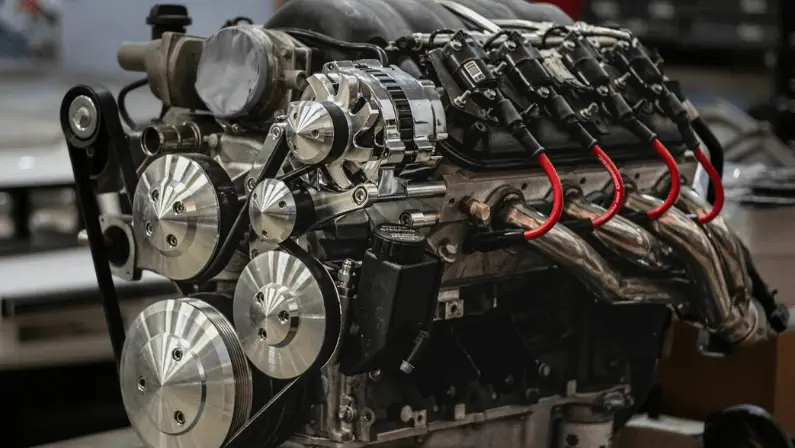
The Basics of Engine Tuning and Vehicle Performance
Engine tuning is one of the most effective ways to improve a vehicle’s overall performance, efficiency, and driving experience. Whether you own a family sedan, sports car, SUV, or pickup truck, tuning can help unlock the hidden potential of your engine. Modern vehicles are controlled by sophisticated electronic systems that determine how the engine performs under different driving conditions. These systems regulate fuel delivery, ignition timing, air intake, turbocharger pressure, and numerous other parameters. Engine tuning involves optimizing these settings to improve horsepower, torque, throttle response, fuel efficiency, and overall drivability. For beginners, the world of performance upgrades may seem overwhelming because there are countless modifications available, from simple air filters to complete turbocharger upgrades. However, understanding the fundamentals is the first step toward making informed decisions. Engine performance depends on the perfect balance between air, fuel, ignition timing, and mechanical efficiency. Manufacturers usually configure vehicles conservatively to meet emissions regulations, fuel economy standards, and reliability targets across different climates and fuel qualities. As a result, many vehicles have untapped performance that can be safely accessed through proper tuning. Vehicle performance is not only about speed; it also includes acceleration, responsiveness, fuel economy, towing capability, and smoother power delivery. Beginners should also understand that every modification affects the vehicle differently. Installing a high-performance exhaust without proper tuning may provide minimal gains, while combining several upgrades with professional calibration can significantly improve results. Before investing in modifications, it’s important to define your goals. Some drivers prioritize fuel efficiency, while others seek increased horsepower for spirited driving or track use. Understanding these objectives helps determine the most suitable tuning approach. Proper maintenance should always come before performance modifications. A poorly maintained engine with worn spark plugs, dirty filters, or mechanical issues will never deliver optimal results regardless of tuning. Regular servicing ensures the engine operates at peak efficiency before additional performance enhancements are introduced. Learning these basics gives beginners a strong foundation for understanding how tuning affects vehicle behavior and long-term reliability.
What Is ECU Remapping and How Does It Improve Performance?
One of the most popular forms of engine tuning today is ECU remapping. The Engine Control Unit (ECU) functions as the vehicle’s central computer, controlling almost every aspect of engine operation.
Manufacturers install factory software that balances performance, emissions, fuel economy, and reliability for global markets. ECU remapping involves rewriting or adjusting this software to optimize engine performance according to specific driving needs. This is why drivers researching reprogrammation moteur voiture should look for a professional calibration process rather than a generic file, especially when power, torque, fuel economy, and long-term reliability all need to be considered. During a remap, experienced technicians modify parameters such as fuel injection timing, turbo boost pressure, throttle sensitivity, ignition timing, and torque limits.
These carefully calibrated adjustments can unlock additional horsepower and torque without replacing major engine components. Turbocharged engines often experience the greatest improvements because manufacturers intentionally limit boost pressure for various reasons, including emissions compliance and fuel quality differences. Naturally aspirated engines generally gain smaller but still noticeable improvements in responsiveness and power delivery. Besides increased performance, ECU remapping can improve fuel economy when driven responsibly because the engine operates more efficiently under certain conditions. However, aggressive driving after a remap may reduce fuel savings due to increased power availability. There are several stages of ECU tuning. Stage 1 remapping typically requires no mechanical modifications and focuses solely on software optimization. Stage 2 tuning usually accompanies upgrades such as performance exhaust systems, intercoolers, or air intake systems. Stage 3 tuning supports extensive modifications like larger turbochargers, upgraded fuel systems, forged engine components, and custom engine builds. Beginners are generally advised to start with a reputable Stage 1 remap performed by experienced professionals. Quality tuning companies perform diagnostic checks before modifying the ECU, ensuring the vehicle is mechanically healthy. They also test performance after tuning to verify safe operating conditions. Poorly written software from inexperienced tuners can cause engine knocking, overheating, excessive emissions, or premature component wear. Therefore, choosing a trusted tuning specialist is far more important than simply selecting the cheapest service. Understanding ECU remapping allows beginners to appreciate how software alone can transform a vehicle’s driving characteristics without physically rebuilding the engine.
Popular Engine Tuning Upgrades That Work Alongside Remapping
Although ECU remapping delivers impressive improvements on its own, combining software optimization with carefully selected hardware upgrades often produces even better results. One of the simplest upgrades is a high-performance air intake system, which allows the engine to breathe more efficiently by reducing airflow restrictions. More air entering the engine enables improved combustion, especially when supported by proper ECU calibration. Performance exhaust systems are another common modification. By reducing exhaust back pressure, they allow gases to exit the engine more freely, helping improve horsepower, throttle response, and engine sound. Turbocharged vehicles frequently benefit from upgraded intercoolers, which cool compressed intake air more effectively, increasing oxygen density and supporting greater power output during extended driving sessions. Larger intercoolers also help reduce heat soak, maintaining consistent performance. High-flow catalytic converters and downpipes further improve exhaust flow while supporting emissions compliance where legally permitted. Performance spark plugs and ignition coils ensure stronger combustion, particularly in engines operating under increased boost pressure after tuning. Suspension upgrades, although not directly increasing engine power, greatly improve overall vehicle performance by enhancing stability, cornering, braking, and driver confidence. Better tires often provide the most noticeable real-world improvement because they maximize traction and allow the additional engine power to reach the road effectively. Brake upgrades are equally important for higher-performance vehicles since increased acceleration should always be matched with stronger stopping capability. Some enthusiasts eventually install larger turbochargers, upgraded fuel injectors, stronger clutches, or forged engine internals for substantial horsepower gains. However, beginners should avoid making multiple major modifications simultaneously without understanding their combined effects. Every performance part should complement the others and be supported by appropriate ECU tuning. Randomly installing aftermarket components without proper calibration can reduce reliability and even decrease performance. Planning upgrades in stages allows owners to monitor results, manage costs, and maintain vehicle dependability. A balanced approach combining software optimization, quality components, and professional installation provides the safest path toward improved engine performance while preserving long-term reliability.
Benefits, Risks, and Legal Considerations of Engine Tuning
Engine tuning offers numerous benefits, but beginners should also understand its potential risks and legal implications before making modifications. The most obvious advantage is increased horsepower and torque, resulting in faster acceleration, improved overtaking capability, and a more engaging driving experience. Many drivers also appreciate smoother throttle response and better power delivery across different engine speeds. Properly optimized tuning may improve fuel efficiency during normal driving because the engine operates more effectively. Towing performance can also benefit from increased low-end torque, making heavy loads easier to handle. However, increased performance always places greater demands on engine components. Clutches, transmissions, cooling systems, brakes, and tires may experience additional stress if power increases significantly. Aggressive tuning without supporting upgrades can shorten component lifespan or create reliability problems. Insurance companies may require notification of performance modifications, and failure to disclose changes could affect future claims. Vehicle warranties may also become limited or void if unauthorized tuning contributes to mechanical failures. Emissions regulations vary by country and region, meaning certain modifications that remove or bypass emissions equipment may be illegal for road use. Beginners should always research local laws before installing aftermarket parts or modifying ECU software. Choosing certified, emissions-compliant tuning solutions helps reduce legal complications while maintaining environmental responsibility. Professional dyno testing provides valuable information by measuring horsepower, torque, and air-fuel ratios before and after tuning, ensuring modifications remain within safe operating limits. Another important consideration is fuel quality. Higher-performance engine calibrations often require premium fuel to prevent knocking and maintain reliability. Drivers who continue using lower-octane fuel after aggressive tuning may experience engine damage over time. Routine maintenance becomes even more important after performance modifications because high-output engines depend on fresh oil, quality filters, and regular inspections. Responsible tuning focuses on improving performance while maintaining safety, reliability, emissions compliance, and long-term durability rather than simply chasing maximum horsepower numbers.
Choosing the Right Tuning Strategy for Long-Term Success
For beginners entering the world of vehicle performance, patience and proper planning are the keys to success. Rather than purchasing numerous aftermarket parts immediately, start by evaluating the vehicle’s current condition and defining realistic performance goals. A comprehensive inspection ensures the engine, transmission, suspension, cooling system, and brakes are functioning correctly before modifications begin. Research reputable tuning companies with proven experience working on your specific vehicle model. Reading customer reviews, requesting dyno results, and discussing your driving habits with experienced technicians can help identify the most suitable tuning strategy. Stage 1 ECU remapping remains the ideal starting point for most beginners because it provides noticeable improvements without requiring extensive mechanical upgrades. As confidence and knowledge increase, additional modifications can be introduced gradually while maintaining compatibility between components. Always prioritize quality over price because poorly manufactured performance parts often create more problems than benefits. Investing in trusted brands and professional installation usually saves money in the long run by reducing repair costs and improving reliability. Drivers should also remember that performance extends beyond engine output alone. Upgrading tires, suspension, brakes, and driver skills often produces greater improvements in real-world driving than horsepower increases alone. Learning proper maintenance routines, monitoring engine health through diagnostic tools, and using high-quality fuel and lubricants contribute significantly to long-term performance. Keeping detailed records of modifications, maintenance, and tuning adjustments also helps troubleshoot future issues and maintain resale value. Technology continues to evolve rapidly, with modern tuning solutions offering safer, more precise calibrations than ever before. By approaching engine tuning with realistic expectations, professional guidance, and a commitment to responsible vehicle ownership, beginners can enjoy improved performance while preserving reliability and safety. Whether your goal is better fuel efficiency, stronger acceleration, enhanced towing capability, or a more enjoyable driving experience, understanding engine tuning, ECU remapping, and performance upgrades provides the knowledge needed to make smart decisions and enjoy your vehicle for years to come.
