
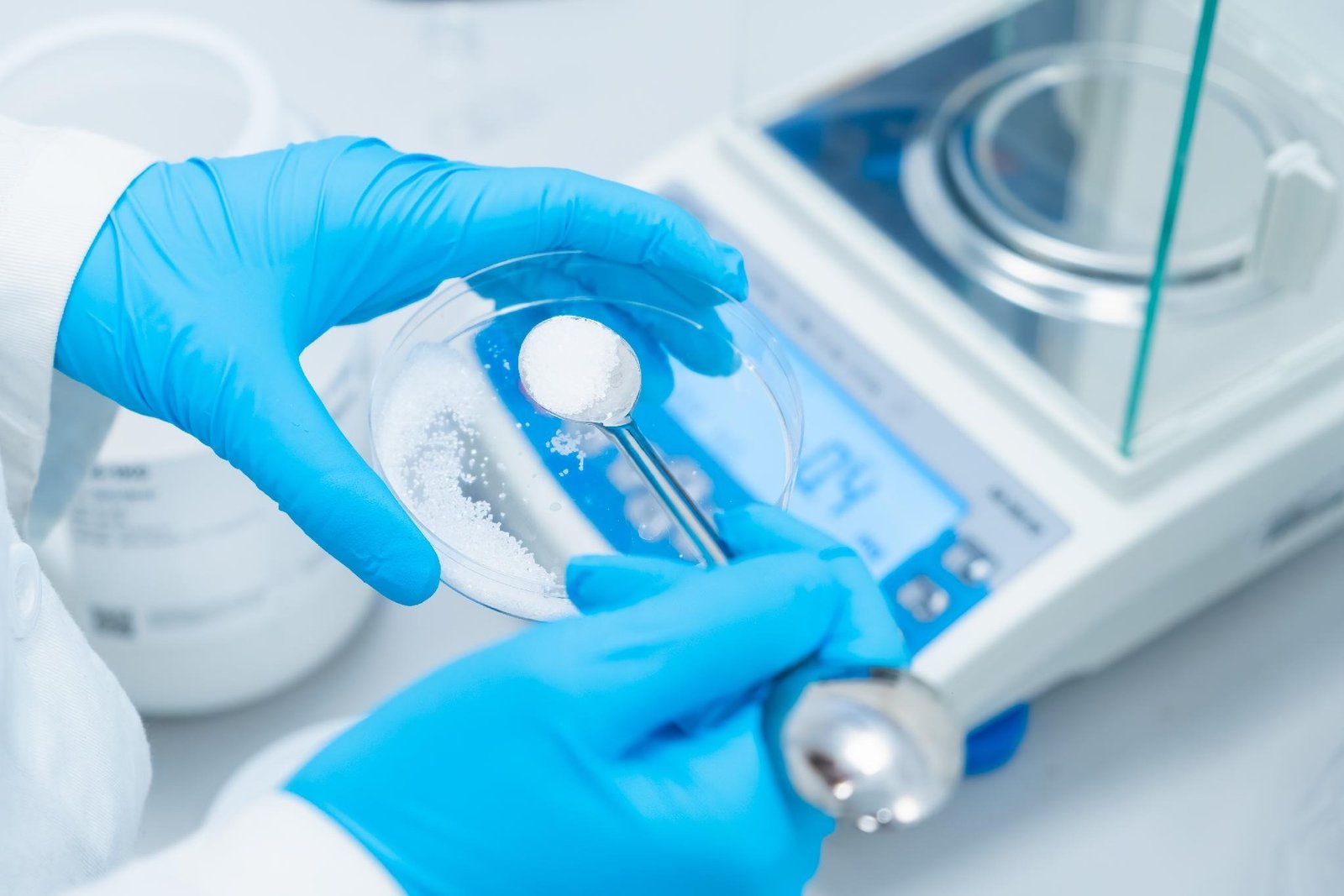
In IVD diagnostics, even minor contamination of working materials can affect the reliability of test results. That is why the choice of sterile laboratory scoops and the way their quality is verified matter as early as the laboratory procedure preparation stage. The sterilization method should be matched to the intended use, the material, and the documentation requirements.
The importance of sterile laboratory scoops in IVD diagnostics
In in vitro diagnostics, the sterility of tools used to handle samples is one of the basic conditions for ensuring the reliability of the entire analytical process. Any component that comes into contact with the test material can introduce foreign biological or chemical factors that alter its original composition. As a result, even minor deviations from cleanliness conditions can affect the interpretation of results and, consequently, diagnostic decisions. For this reason, maintaining controlled, verified sterility of items such as laboratory scoops is an integral part of the quality system in IVD.
The impact of contamination on laboratory test results
Manufacturing residues, microorganisms, or unwanted substances present on the surface of a scoop can change the properties of the analyzed sample. In IVD testing, this can lead to disruption of the analytical process and the need to repeat the assay.
In practice, when qualifying laboratory materials, the following are checked, among other things:
- the sterilization method used by the manufacturer,
- the compatibility of the material with the sterilization process,
- documents confirming validation,
- the ability to identify a specific product batch.
Laboratory scoop sterilization methods: EO vs. gamma
Two commonly used sterilization methods for disposable laboratory items such as laboratory scoops are ethylene oxide (EO) sterilization and gamma irradiation. Both techniques make it possible to obtain a product that meets sterility requirements, but they differ in the course of the process and their effect on materials.
EO sterilization uses a gas that destroys microorganisms by acting on their cellular structures. This method is used for products that cannot be exposed to high temperatures.
In the case of EO, an important control element is process residue. After sterilization, appropriate aeration is necessary to reduce the presence of residual ethylene oxide in the product.
Gamma sterilization uses ionizing radiation. The process takes place without the use of gaseous chemical agents, so it does not require the removal of sterilant residues.
Comparison of the effectiveness and applications of EO and gamma irradiation
EO is often chosen for components made of materials sensitive to temperature and moisture. It also works well for more complex designs, where it is important for the sterilizing agent to reach hard-to-access surfaces.
Gamma irradiation is used primarily for simple, disposable products made of plastics. With this method, however, the effect of the radiation dose on the material properties must be assessed, because some plastics may change their parameters.
When choosing a sterilization technology, it is worth considering:
- the type of plastic used to manufacture the scoop,
- the requirements of the specific diagnostic process,
- documentation confirming sterilization effectiveness,
- requirements applicable to IVD products.
There is no single method suitable for all applications. The decision should result from a risk assessment and the product’s technical specification.
What documents and proof of sterility are required during an IVD audit?
During an audit concerning IVD products, the ability to demonstrate that the materials used meet specific quality requirements is assessed. Information about sterility alone may be insufficient if it is not supported by appropriate records.
Documentation for sterile laboratory scoops should include, among other things:
- a sterility certificate,
- a sterilization process validation report,
- process control results,
- information on batch traceability,
- the manufacturer’s declaration of conformity.
The auditor may also verify whether the sterilization process is continuously monitored and whether the product retains the required properties throughout its shelf life.
The documents should make it possible to link a specific batch of scoops to the production process, the sterilization method, and the results of the controls carried out.
That is why it is a good solution to choose materials for which the manufacturer provides complete technical documentation and clearly specifies the sterilization method. This makes it easier to pass the audit and reduces the risk of problems during conformity assessment. These conditions are met by Noex Labware.
The importance of sterile laboratory scoops used in IVD laboratories
- The sterility of laboratory scoops in IVD reduces the risk of sample contamination and the impact of impurities on test results.
- EO and gamma are two popular sterilization methods that differ in process and material requirements.
- An IVD audit requires documents confirming sterility, validation, and product traceability.
- The choice of appropriate scoops should take into account the sterilization method and the completeness of their quality documentation.
FAQ
Which sterilization method for laboratory scoops should be chosen for IVD applications?
EO or gamma sterilization is most commonly chosen. The choice depends on regulatory requirements and the characteristics of the material from which the scoop is made.
What documents confirming sterility must be presented during an IVD audit?
During the audit, sterility certificates, process validation reports, and the manufacturer’s declarations of conformity with ISO standards are required. The documentation should also make it possible to identify the product batch.
Does the sterility of laboratory scoops affect test results?
Yes, a lack of sterility can lead to sample contamination, resulting in false results and the risk of having to repeat the tests. Quality control of materials is an important part of laboratory procedures.
Are all laboratory scoops available in a sterile version?
No, not all models are offered as sterile. It is worth checking the availability of a sterile version with the manufacturer or supplier.
Meta title: Sterilization of laboratory scoops in IVD – EO, gamma, and quality documentationMeta description: Find out how EO sterilization differs from gamma sterilization for laboratory scoops and what proof of sterility is needed during an IVD audit.
