
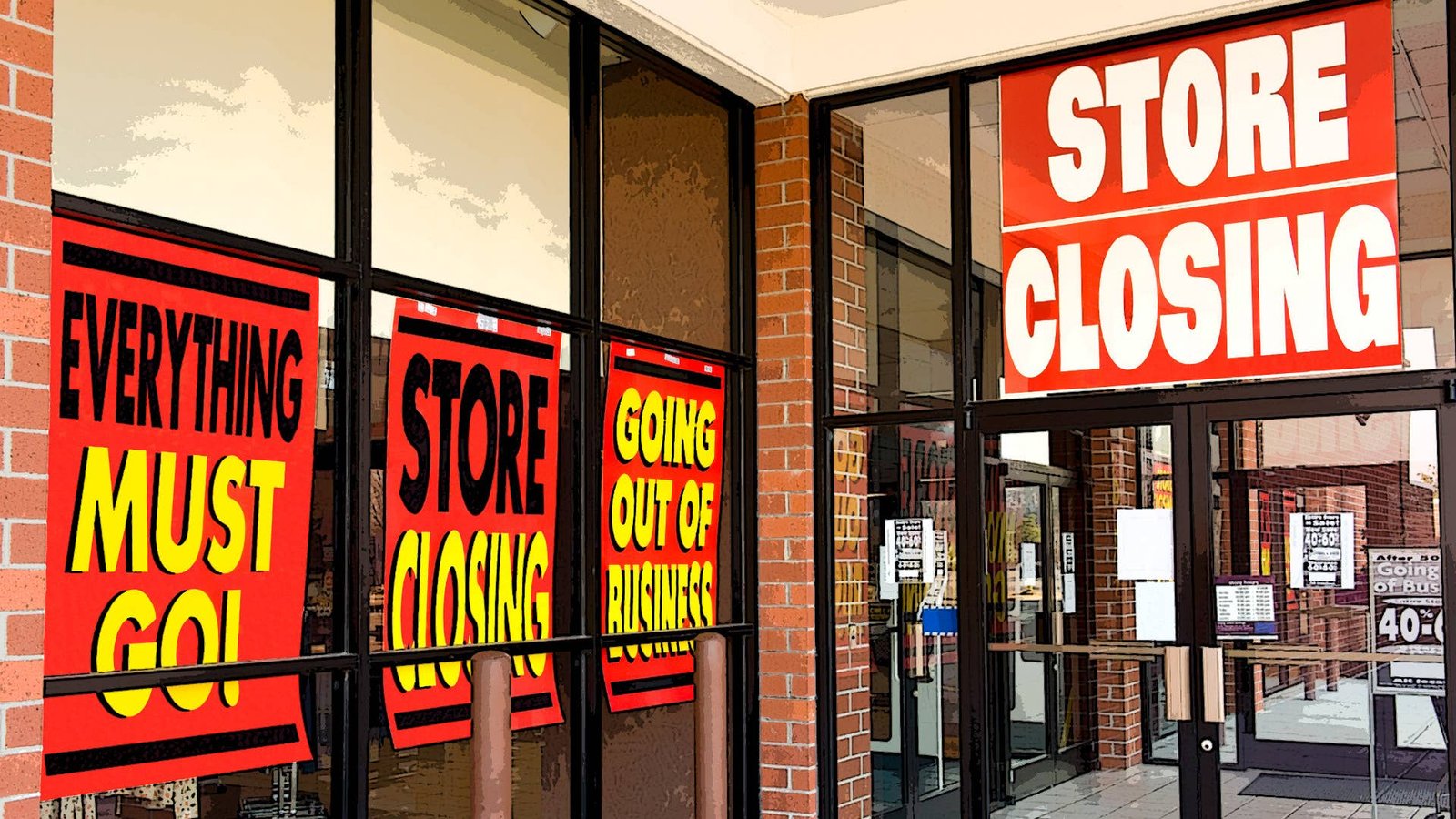
A Pattern Across the Country
Across the United States, a beloved hardware store closing has become a recurring headline rather than a one-time event. Between 2024 and 2026, communities from Pennsylvania to California have watched century-old shops shut their doors, each closure carrying its own story of family ownership, neighborhood loyalty, and economic pressure that finally became too heavy to carry forward.
What makes this trend notable is not just the number of closures, but how similar the stories sound from town to town. Owners citing retirement, lease disputes, redevelopment offers, and relentless competition from national chains and online retailers appear again and again. This pattern reflects challenges facing small businesses nationwide, not just within the hardware retail sector. This roundup looks at eight real examples of a beloved hardware store closing recently, what led to each decision, and what it signals for independent retail going forward.
Ritter’s True Value Hardware — Mechanicsburg, Pennsylvania
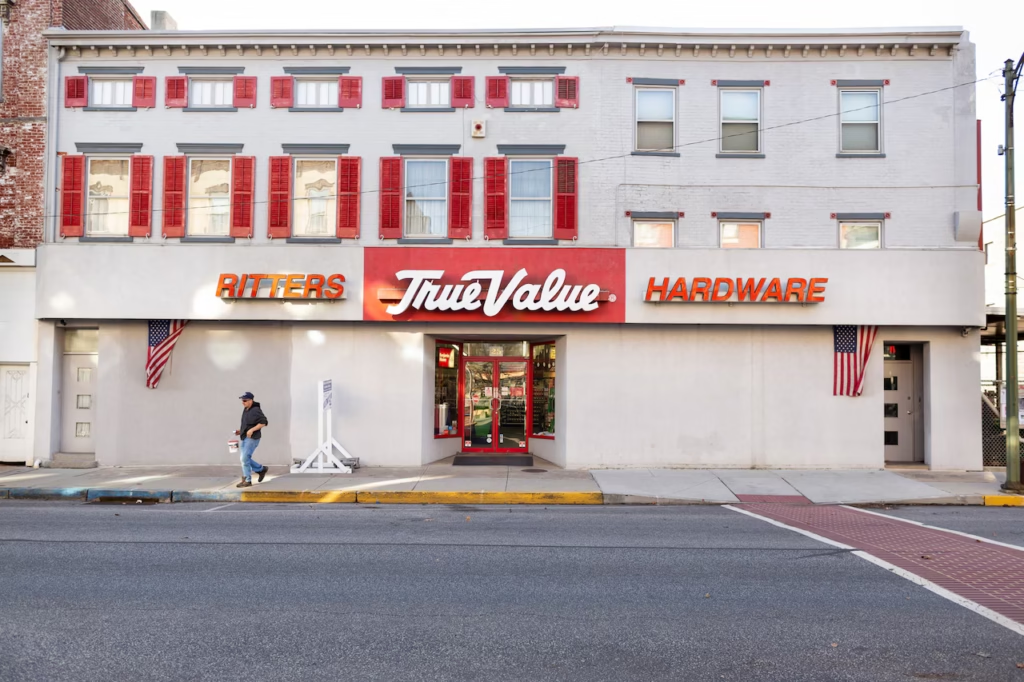
After 117 years in business, Ritter’s True Value Hardware in Mechanicsburg announced its closure for September 2025, making it one of the longest-running independent hardware stores to shut down in this wave of closures. Customers have described the store as feeling like part of their daily lives rather than just a retail stop, built on personal service that spanned several generations of the same families.
The closure reflects a broader theme seen throughout this list: a business that survived over a century of economic shifts ultimately could not outlast the combined pressure of rising costs and changing shopping habits. For a store with that much history, the announcement landed as deeply personal news for the entire Mechanicsburg community, not simply a routine business decision.
Harpeth True Value — Franklin, Tennessee
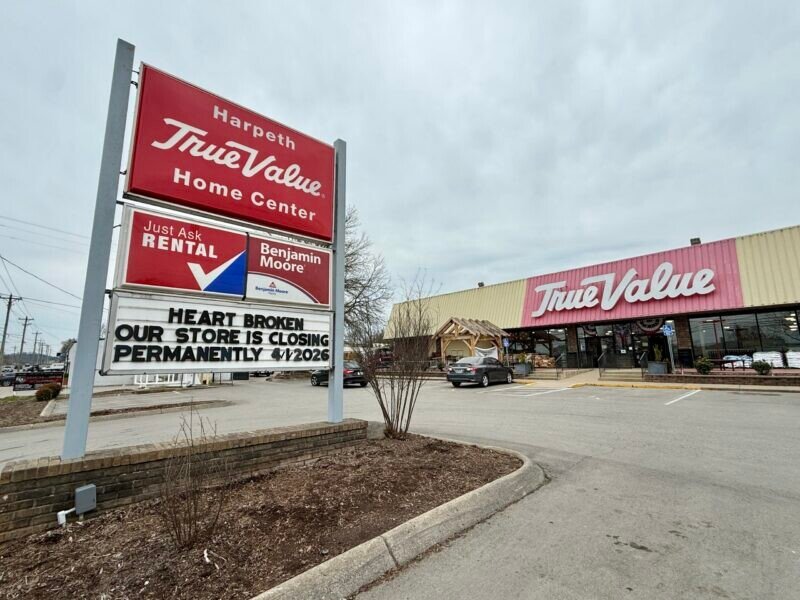
Harpeth True Value in Franklin served its community for more than 50 years before announcing a closure date in March 2026. Hundreds of local residents reportedly visited the store after the announcement, treating the final weeks as an opportunity to express appreciation in person rather than simply reading about the closure online.
This case highlights how closures often trigger an immediate, visible community response well before the doors actually shut. The extended runway between announcement and closing date gave Franklin residents time to process the loss and show support, a pattern that has repeated itself in several of the other closures on this list.
Frentz & Sons Hardware — Royal Oak, Michigan
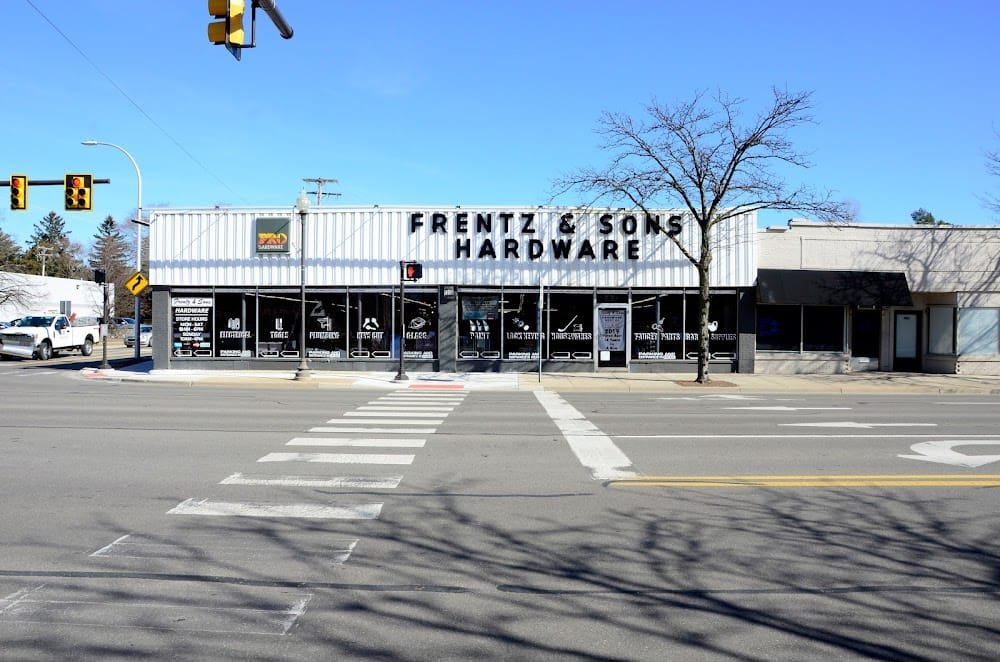
Nearly a century in operation, Frentz & Sons Hardware in Royal Oak saw its property listed for sale in July 2025, signaling the end of one of the area’s most established independent retailers. Unlike some closures driven purely by retirement, real estate value played a significant role in this decision.
As property values rise in established neighborhoods, owners of long-running businesses increasingly face offers that are difficult to refuse, even when the business itself remains viable. Frentz & Sons illustrates how real estate economics, rather than declining sales alone, can end up determining the fate of a beloved local institution.
Crest Hardware — Brooklyn, New York
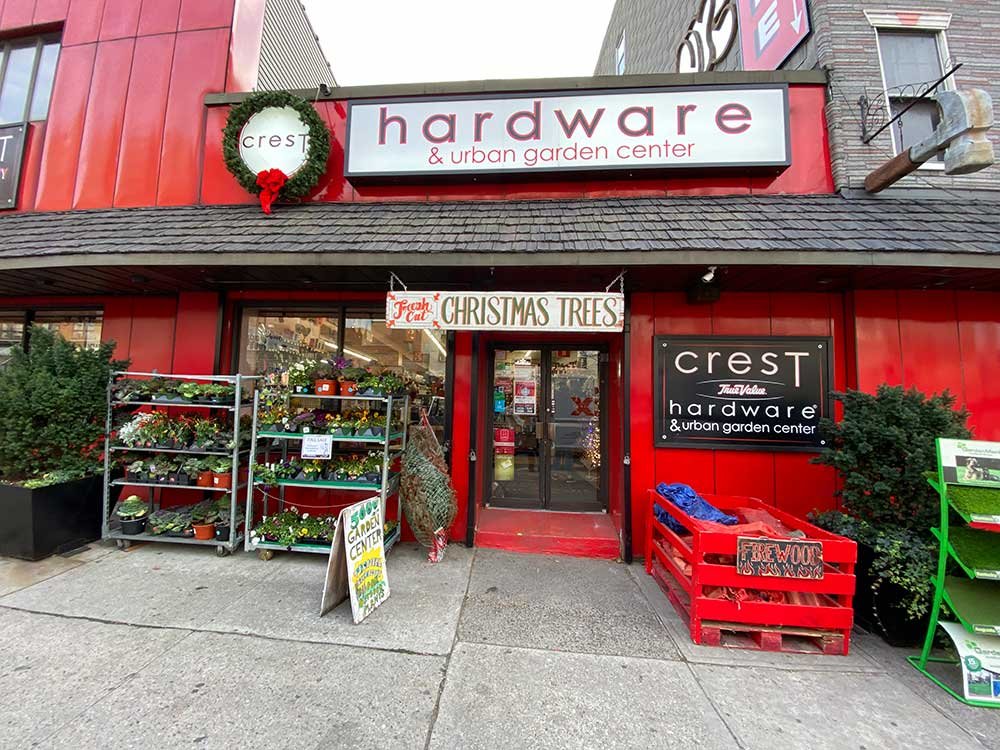
Crest Hardware closed in August 2024 after 62 years of operation, forced out primarily by an inability to renew its lease. Brooklyn’s rapidly shifting commercial real estate market made it increasingly difficult for a small, independent retailer to compete for long-term space in a neighborhood experiencing significant redevelopment pressure.
This closure stands out as a clear example of lease-driven displacement rather than a voluntary retirement decision. For many urban independent retailers, the lease renewal process itself has become the single greatest threat to long-term survival, regardless of how loyal or strong the customer base remains.
Ridgefield Hardware — Ridgefield, Connecticut
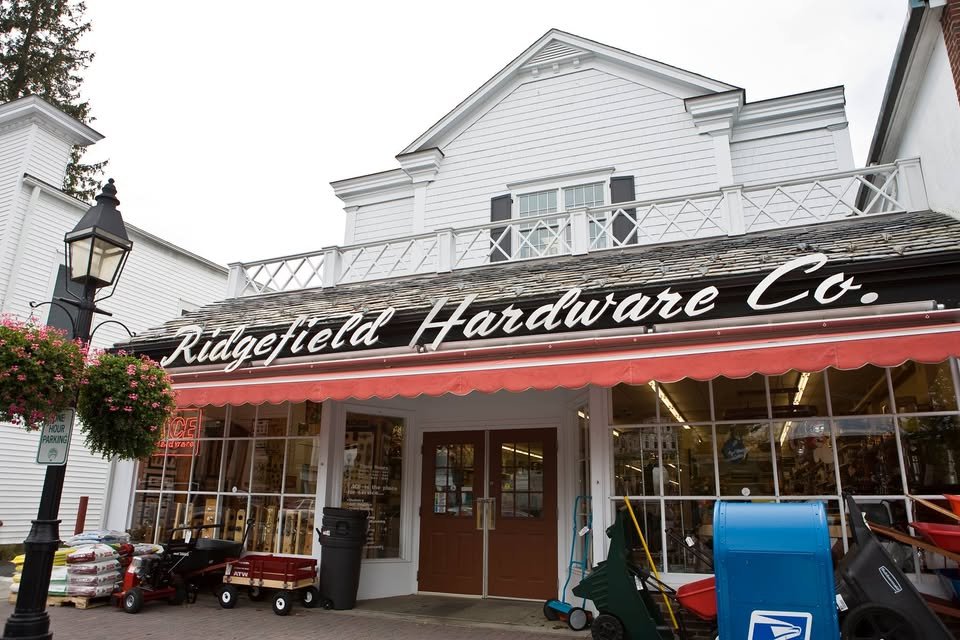
Ridgefield Hardware, described locally as the town’s only hardware store, announced its closure for September 2025 after an impressive 111 years in business. Its closure leaves a meaningful gap for residents who previously relied on a single, convenient, walkable option for everyday hardware needs.
Being the sole hardware retailer in town added extra weight to this announcement, since residents now face longer trips or online ordering for needs the store once met instantly. Ridgefield’s case underscores how the loss of a single independent store can disproportionately affect smaller towns with fewer retail alternatives nearby.
Hollywood Hardware — Sacramento, California
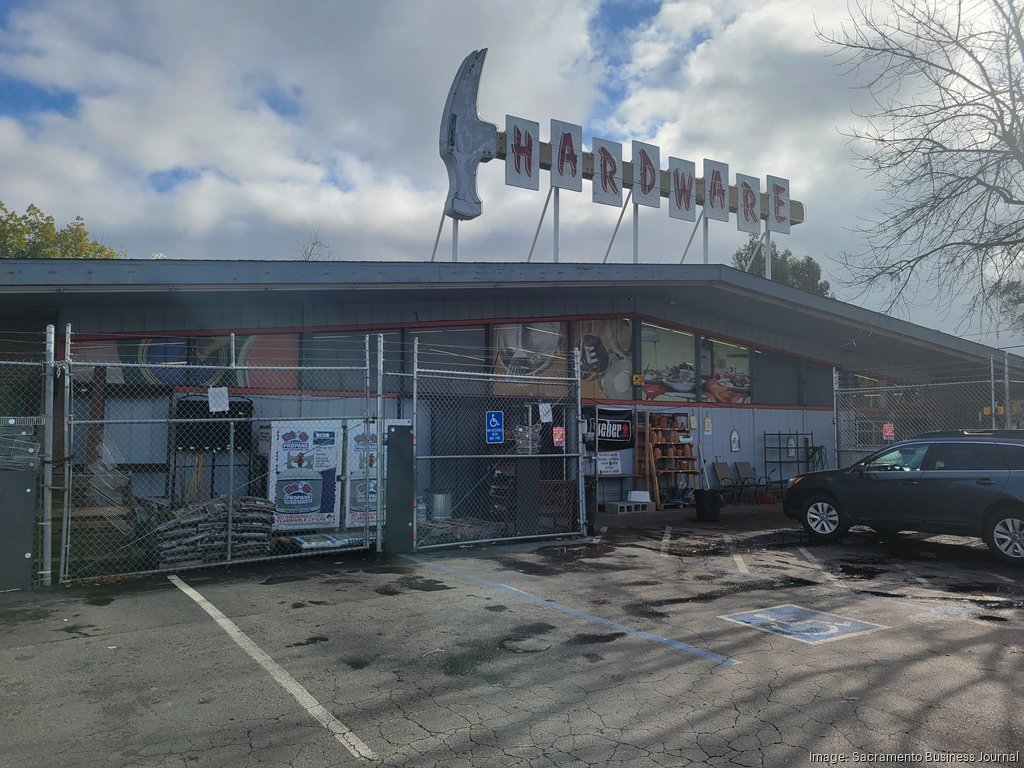
After 75 years serving its neighborhood, Hollywood Hardware in Sacramento closed in August 2024, marking the end with a widely shared “Everything Must Go” liquidation sale. The closure drew significant local media attention, with neighbors expressing genuine heartbreak over losing a business many considered part of the area’s identity.
The Sacramento case demonstrates how closing sales themselves often become community events, drawing in customers who hadn’t visited in years alongside lifelong regulars. These final sales frequently generate as much emotional reaction as the closure announcement itself.
Peter’s True Value Hardware — South Lyon, Michigan
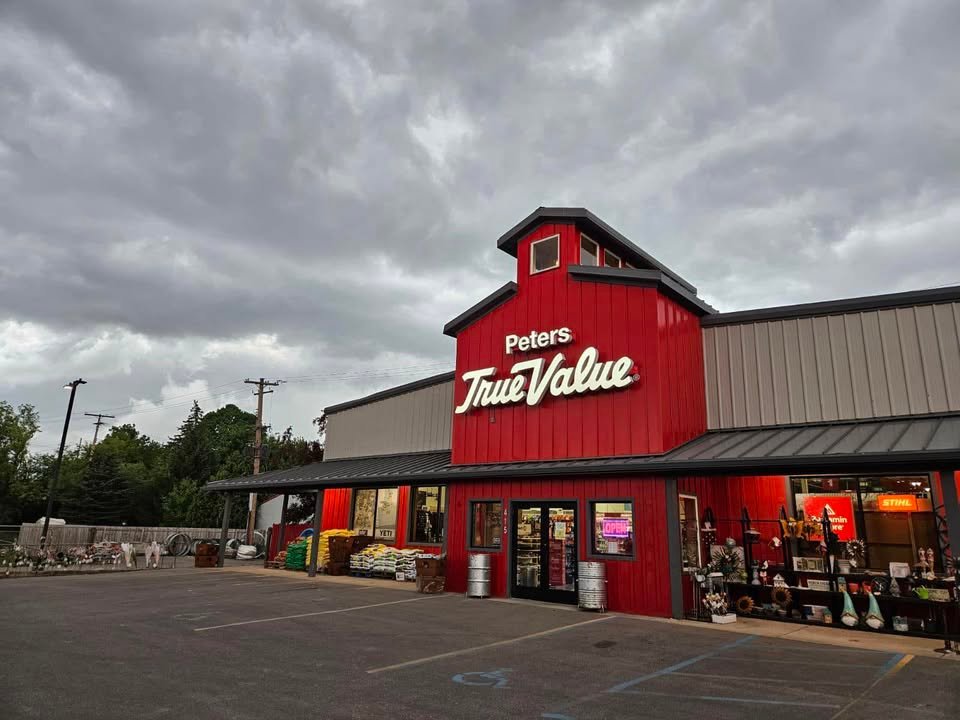
Peter’s True Value Hardware in South Lyon announced its closure for September 2025 after more than 40 years in business. While shorter-lived than some of the century-old stores on this list, its closure still represents a significant loss for a community that had grown accustomed to its presence over multiple decades.
This example shows that closures aren’t limited only to the oldest, most historic stores. Even businesses with a four-decade track record face the same combination of competitive and economic pressures that have pushed older, more established retailers out of business across the country.
Paoli Hardware Store and Tenenbaum Hardware — Pennsylvania and Illinois
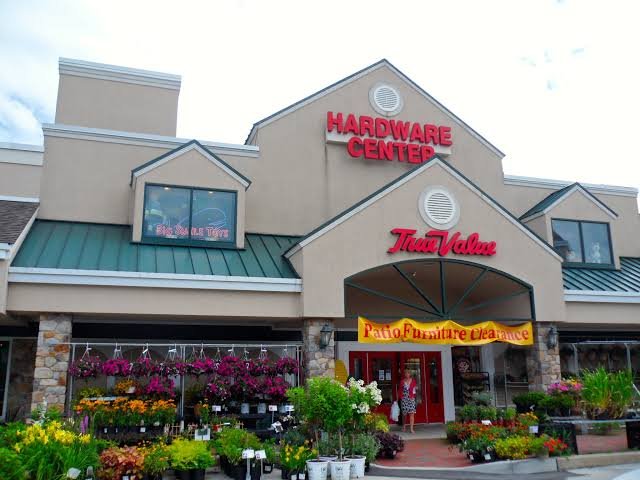
Paoli Hardware Store in Pennsylvania closed in May 2025 after 73 years of service, joining the broader pattern of independent retailers unable to sustain operations amid rising costs. Meanwhile, Tenenbaum Hardware in Chicago closed after 98 years specifically because its building was sold for new residential and retail development.
Tenenbaum’s case in particular highlights redevelopment as a distinct and increasingly common cause behind these closures. Even profitable, well-loved stores can be forced out when the value of the underlying property becomes more attractive to developers than the business operating on it, a trend likely to continue in growing urban areas.
Conclusion
Taken together, these eight stories paint a clear picture: a beloved hardware store closing is rarely about a single failure, but rather the cumulative result of retirement timing, lease pressures, redevelopment economics, and shifting consumer habits all converging at once. From Pennsylvania to California, the details differ, but the emotional impact on each community remains strikingly similar.
As more independent hardware stores face this same crossroads, these closures serve as a reminder of what gets lost when a long-standing local business shuts its doors — not just a place to buy supplies, but a piece of each town’s shared identity and history.
Frequently Asked Questions
Why are so many hardware stores closing between 2024 and 2026? A combination of owner retirement, lease non-renewals, rising property values, and competition from big-box retailers and online shopping has driven a wave of independent hardware store closures across the country during this period.
Which hardware store closures have generated the most attention recently? Closures involving stores with over a century of history — including Ritter’s True Value, Ridgefield Hardware, and Tenenbaum Hardware — have drawn particularly strong community and media attention due to their long-standing local significance.
Are these closures connected to a single company or chain? No. Most of these closures involve independently owned stores in different states, though some operated under shared retail banners such as True Value, which provides supply and branding support without owning the individual stores.
What typically happens to the building after a hardware store closes? Outcomes vary by location — some buildings are sold for redevelopment, others are leased to new tenants, and in select cases, the property remains vacant for a period before a new use is determined.
Can a closing hardware store reopen under new ownership? It’s possible but uncommon. While some independent stores are sold or transferred to new operators, many closures are permanent, with the business itself ending even if the physical space continues to operate under a different name or purpose.
While you’re stocking up for new home projects or upgrading your everyday gear, you might also want to check out our roundup of the best practical buys for your home and lifestyle. If gadgets are more your thing, our guide on top picks under $200 is worth a look too.
