
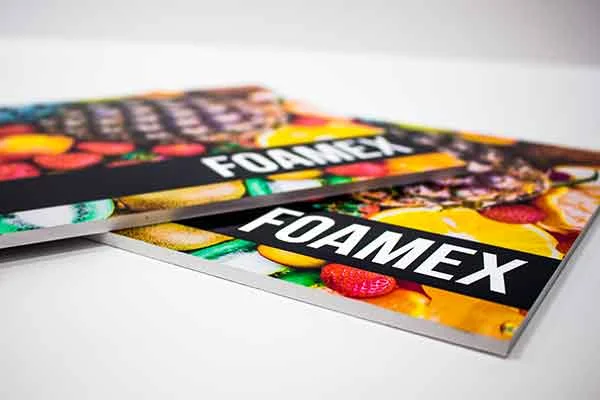
Foam PVC Sheet has earned its place as one of the most widely used signage materials thanks to its combination of print quality, light weight, and reasonable cost. But choosing the right material is only half the job, getting a clean, professional installation with sharp, well-finished edges makes a noticeable difference to how the final sign actually looks once it is up. Understanding both when a lightweight display board is the right choice and how to install it properly helps avoid a result that looks less polished than it should.
When Foamex Is the Right Material Choice
Lightweight display board works particularly well in certain situations, and recognising these helps avoid choosing a material that is not quite suited to the job at hand.
Situations Where Printed Foam Board Is a Strong Choice
- Indoor or semi-outdoor signage where a clean, professional print finish is the priority
- Exhibition stands and trade show displays that need to be lightweight for transport and quick installation
- Retail point-of-sale displays that will be handled frequently
- Office and reception signage where a smooth, premium-looking surface matters
- Short to medium-term outdoor signage, such as estate agency boards or event signage
When a Different Material Might Suit Better
Printed foam board is not the ideal choice for every situation. Long-term outdoor signage exposed to harsh weather over several years is often better served by aluminium composite board, which offers greater durability. Very large-format signage that needs to be exceptionally rigid may also benefit from a thicker or different substrate, depending on the installation method.
Choosing the Right Thickness Before Installation
Getting clean edges starts with choosing the correct thickness for the application, since this affects how the material handles during cutting and mounting.
| Thickness | Best Suited For | Edge Finish Consideration |
| 3mm | Lightweight indoor signage, short-term use | Cuts cleanly but can flex slightly if not supported |
| 5mm | Exhibition displays, retail signage | Good balance of rigidity and manageable weight |
| 10mm | Structural panels, free-standing displays | Holds a crisp edge well but heavier to handle |
Choosing a thickness that suits the application properly, rather than defaulting to the cheapest or lightest option, makes a genuine difference to how clean the final edges look once the sign is mounted.
Cutting Foamex Cleanly
The way foamex is cut has a direct impact on how sharp and professional the finished edge appears. A poorly cut edge can look rough, slightly melted, or uneven — all of which undermine an otherwise high-quality printed result.
What Produces Clean, Professional Cut Edges
- Using a sharp, appropriately specified blade or a CNC router for precise, repeatable cuts
- Cutting at a controlled, consistent speed rather than rushing the process
- Allowing the material to settle at room temperature before cutting, since temperature extremes can affect how cleanly it cuts
- Sanding lightly along any cut edge that will be visible, to remove minor roughness
A print partner with proper equipment and experience working with display foam boards will typically achieve far cleaner edges than cutting attempted with basic tools.
Mounting Methods That Keep Edges Looking Sharp
How a foamex sign is mounted also affects how the edges appear once installed, particularly where the edge of the board is visible rather than hidden behind a frame.
Common Mounting Approaches and Their Effect on Edge Appearance
Standoff mounting: Fixings hold the board slightly away from the wall, leaving all edges fully visible. This makes clean cutting especially important, since any imperfection will be noticeable.
Direct adhesive fixing: The board sits flush against the wall using strong adhesive tape, with edges still visible but less prominent than with standoff mounting.
Framed mounting: A surrounding frame conceals the cut edge entirely, which can be a useful option where achieving a perfectly clean edge is more difficult, such as with very large or custom-shaped boards.
Handling Custom Shapes Without Compromising Edge Quality
Display foam board can be cut into custom shapes relatively easily, but more complex shapes with tight curves or intricate detail require more careful production to avoid rough or uneven edges.
Tips for Custom-Shaped Signage
- Providing the cutting path as a clear, separate vector layer within the artwork file
- Avoiding excessively tight curves where the material’s structure makes a clean cut more difficult
- Confirming whether corners should be sharp or slightly radiused, since rounded corners are often less prone to chipping
- Allowing slightly more production time for custom shapes compared with standard rectangular boards
Storing and Handling Before Installation
Even with a clean cut, careless handling before installation can damage edges and corners. Boards should be stored flat, supported evenly, and kept away from extreme temperatures that could cause warping. When transporting boards to an installation site, protective edge guards or corner protectors help prevent the kind of accidental knocks that can chip a previously clean edge.
Conclusion
Foam display panels remains a genuinely excellent choice for a wide range of signage needs, but getting the best out of it depends on choosing the right thickness for the application and ensuring the cutting and mounting process produces clean, professional edges. Printed PVC board Printing Company combines careful material selection guidance with precise production, helping customers get signage that looks as sharp around the edges as it does across the printed surface itself.
Author Bio: Nimesh Kerai
Nimesh Kerai is the Printing Expert at Foamex Printing Company, London. He has been in the printing industry for quite a few years, which reflects in the skill with which he executes each project. He has played a significant role in the company’s reputation as one of the highest-quality foamex printers in the vicinity. He often shares his far-reaching industry knowledge with curious readers through engaging blogs.
