
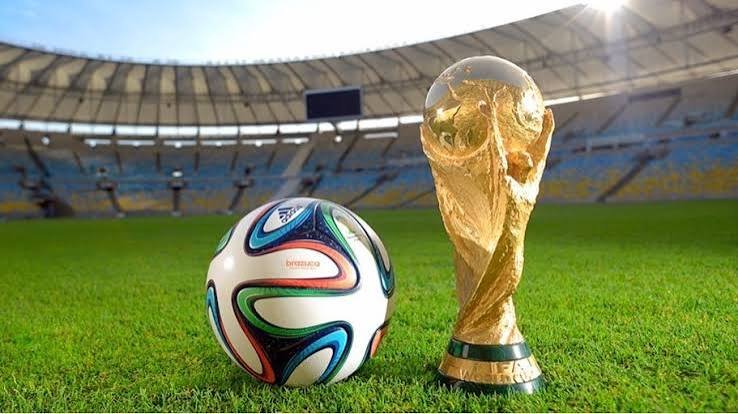
World Cup matches are often remembered for great goals, big saves and dramatic late moments. But behind many of those moments is something less glamorous: set pieces.
Corners, free-kicks, penalties and long throws can decide tight matches. They may not always look as exciting as a flowing team move, but they are one of the clearest ways to create chances when open play becomes difficult.
That could matter even more at the next World Cup. With more teams involved, more knockout matches and more tactical preparation, small details will carry extra weight. Fans following the tournament through previews, analysis, broadcasters or a new sports betting site will see plenty of focus on team shape, player form and group-stage paths, but set pieces may quietly become one of the biggest factors.
Why Set Pieces Matter in Tournament Football
Tournament football is different from league football. Teams have less time together, matches are tighter and managers often become more cautious once the knockout rounds begin.
That makes open-play chances harder to create. A team may dominate possession but still struggle to break down a deep defence. Another side may spend most of the match under pressure but still carry a threat from corners or free-kicks.
Set pieces help close that gap. They give underdogs a route into games and give stronger teams another way to break resistance. A corner does not care who has had more possession. A free-kick near the box can change the whole mood of a match.
That is why coaches spend so much time on them.
Corners Are More Than Hopeful Crosses
A corner used to be seen by many fans as a simple cross into the box. Now, at the highest level, corners are carefully designed moves.
Teams use blockers, decoy runs, short-corner routines and rehearsed movements to create space. One player may drag a defender away. Another may attack the near post. Someone else may wait for a second ball at the edge of the area.
The best teams make corners look messy for the opponent but clear for themselves. Everyone knows where they should be. Everyone knows which space is being targeted.
At a World Cup, where one goal can decide a knockout match, that kind of planning can be the difference between going home and reaching the next round.
Free-Kicks Bring Different Types of Danger
Free-kicks can create danger in several ways. A direct shot near the edge of the box is the obvious one, especially if a team has a specialist who can bend the ball over the wall.
But indirect free-kicks are just as important. A good delivery into the box can create panic. Defenders are often facing their own goal, goalkeepers have to decide whether to come out, and attackers can attack the ball with momentum.
Wide free-kicks can be especially dangerous because they sit between a cross and a shot. A delivery with pace can be touched in, missed by everyone or force a goalkeeper into a difficult decision.
That uncertainty is what makes them so valuable.
Penalties Are About More Than Technique
Penalties are the most obvious set-piece pressure point. They decide matches, change careers and create World Cup memories that last for decades.
Taking a penalty at a World Cup is not only a technical act. Most professional players can strike a ball well from 12 yards. The challenge is the pressure. The wait. The noise. The knowledge that one kick may define the match.
Penalty shootouts are even more demanding. Coaches now prepare for them in detail, using data on goalkeepers, preferred sides and player habits. But once the player starts the run-up, preparation meets emotion.
That is why penalties remain so compelling. They are simple, but they never feel small.
Long Throws and Second Balls Still Matter
Long throws may seem old-fashioned, but they can still be effective. A team with a player who can throw the ball deep into the penalty area gains another way to create pressure.
This can be useful against teams that defend well in open play. A long throw turns a basic restart into something closer to a corner. It forces defenders to win first contact and then deal with loose balls in the box.
Second balls are often where the real danger comes. The first header may be cleared, but if the attacking team is ready for the bounce, they can keep the pressure alive.
At a World Cup, where teams face different styles from different continents, that kind of direct threat can unsettle sides that are not used to defending it.
Specialists Could Become Key Players
Every squad needs stars, but set pieces can make specialists more important. A player with excellent delivery may be selected partly because they offer something from dead-ball situations.
Full-backs, wide midfielders and central midfielders often carry this responsibility. They may not be the most famous players in the squad, but their delivery can decide matches.
A reliable set-piece taker gives a team confidence. Players know that if they win a corner or free-kick, the ball will arrive in a dangerous area. That changes how teams attack, especially late in tight games.
Defensive specialists matter too. Some players are picked because they win aerial duels, organise the line and clear danger under pressure. Their work may not make highlights, but it can keep a team alive.
VAR Has Changed the Set-Piece Battle
VAR has also changed how set pieces are defended. Pulling shirts, blocking runs and wrestling in the box are now more likely to be reviewed.
This makes defenders think twice. It also gives attackers a reason to keep moving and force contact. A small mistake can become a penalty if the referee is sent to the monitor.
Teams have had to adjust. Defending set pieces now requires discipline as well as strength. Players need to block space without fouling, track runners without grabbing and stay calm when the box is crowded.
That is easier said than done when the pressure is high.
Why Set Pieces Could Shape the Knockouts
The knockout rounds are where set pieces may matter most. Matches become tighter. Teams take fewer risks. Managers are less willing to leave space.
In those games, a corner after 70 minutes can be worth more than long spells of possession. A free-kick near the box can suddenly become the best chance of the match. A penalty shootout can decide months of preparation in a few minutes.
This is why set pieces are not just a side detail. They are part of tournament strategy.
Final Thoughts
The World Cup will always be shaped by great players and big tactical ideas. But the smaller details often decide who goes further.
Set pieces are one of those details. Corners, free-kicks, penalties and long throws can give teams a way through when open play is not enough. They reward preparation, delivery, movement and nerve.
The next World Cup will bring more teams and more matches, but the tightest games may still come down to one dead-ball moment. A clever routine, a perfect cross or a calm penalty could decide who stays in the tournament and who goes home.
