
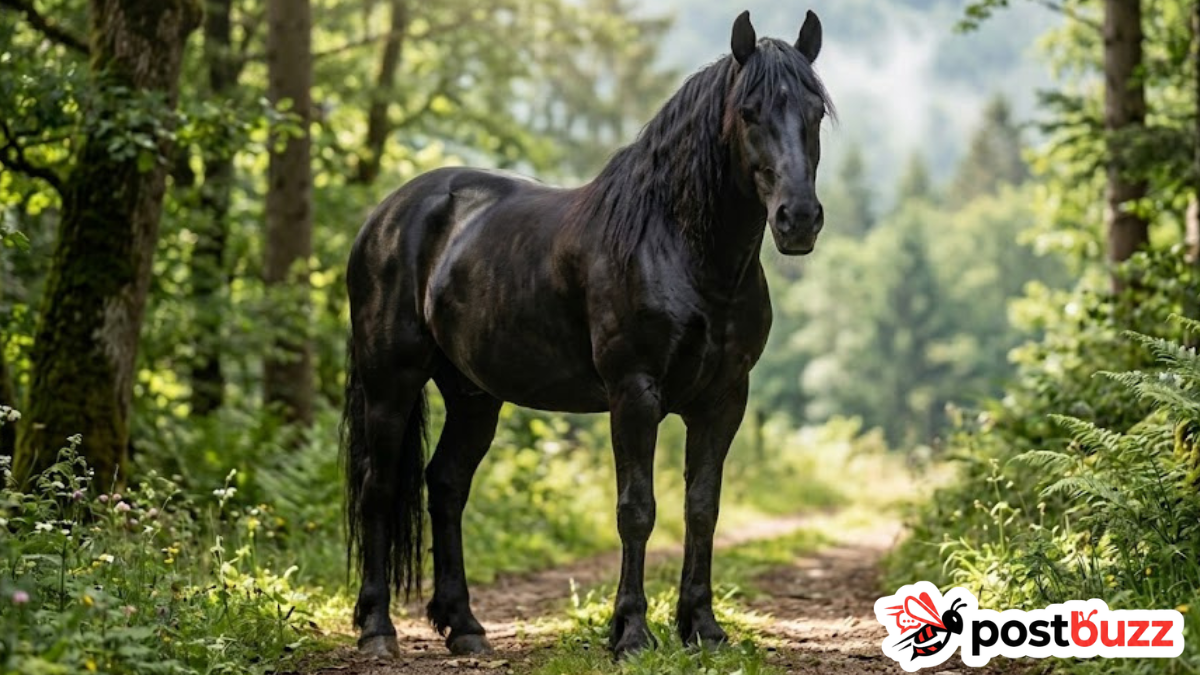
The equestrian world boasts a vast array of breeds, yet few command the same level of fascination, historical depth, and raw aesthetic appeal as the Black Forest Horse. Often referred to by enthusiasts as the “BK Horse,” this breed is far more than a typical draft animal; it is a living, breathing artifact of Southern Germany’s rugged landscape. Known in its homeland as the Schwarzwälder Kaltblut, this rare breed was once the silent partner of foresters and farmers, navigating narrow, treacherous mountain paths where modern machinery simply couldn’t venture.
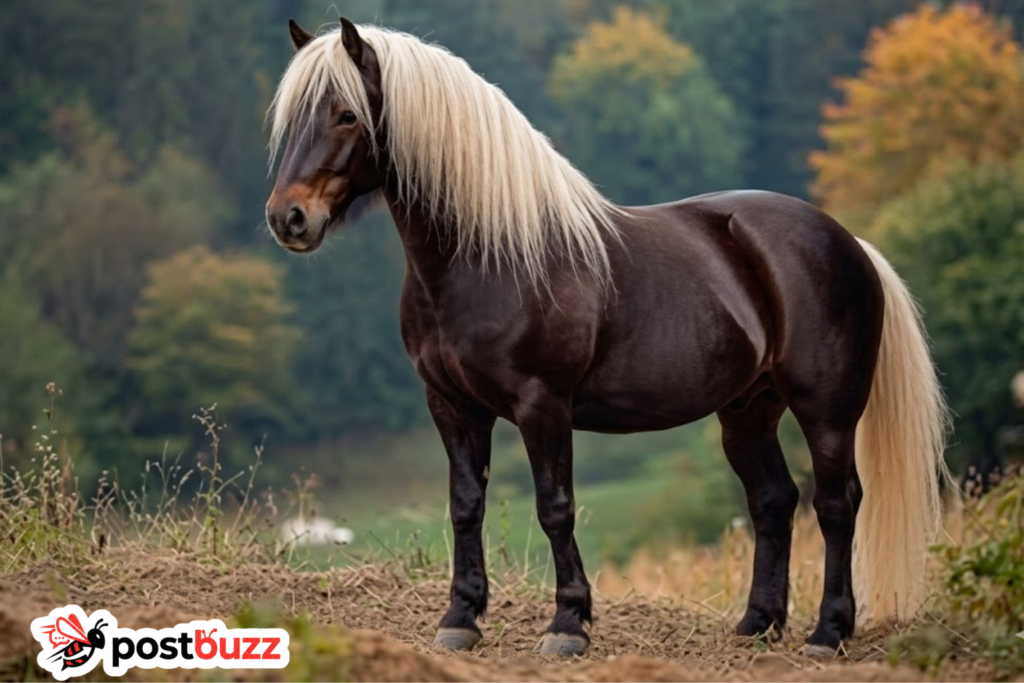
Today, the Black Forest Horse has transcended its origins as a working breed to become a symbol of equestrian resilience. With its striking “burnt copper” coat and flowing silver mane, it offers a rare combination of power, intelligence, and grace. In this comprehensive guide, we peel back the layers of the BK Horse, exploring its unique history, distinctive physical traits, and the specialized care required to maintain the legacy of one of the world’s most breathtaking and endangered draft breeds.
1. The History of the Black Forest Horse
The lineage of the Black Forest Horse dates back over 600 years. For centuries, these horses were the backbone of the Black Forest region in Germany. Farmers and foresters relied on them to navigate steep, narrow mountain paths where heavy machinery could not go.
Because they were bred for such specific, challenging terrain, they developed a level of sure-footedness and endurance that is rarely matched by other draft breeds. oday, they remain a protected breed, highly valued for their lineage and rarity. Verify their status through official equine conservation records.
2. Distinctive Physical Characteristics: Why the BK Horse Stands Out
The Black Forest Horse (BK Horse) is easily recognized by its unique aesthetic, which sets it apart from typical heavy draft breeds. Their build is a perfect balance of strength and agility, evolved specifically for the challenging mountain terrain of Southern Germany.
- Striking Coloring: They are almost exclusively chestnut, ranging from light to dark chocolate tones. Their signature feature is a flowing flaxen or silver-blonde mane and tail, which provides a stunning visual contrast against their dark, rich coats.
- Compact & Powerful Build: Classified as a medium-sized draft horse, they have a compact, muscular frame. Rather than focusing on sheer height, they feature sturdy legs and a deep chest, which provides them with a low center of gravity for maximum stability on uneven, steep ground.
- Elastic Movement: Unlike many heavy draft breeds that have a “heavy” gait, the BK Horse is known for its free, energetic, and elastic movement. This springy, fluid stride makes them surprisingly graceful and comfortable to ride, blending draft-horse power with the agility of a lighter riding horse.
3. Temperament: The “Gentle Giant”
If you are considering working with a Black Forest Horse, you will find they are renowned for their famously docile and willing nature. They are often described as “Gentle Giants” because they combine massive strength with a surprisingly sweet and steady personality.
- People-Oriented: These horses are deeply affectionate and bond strongly with their handlers. They are known for their social nature, often seeking attention and showing genuine trust toward the people they work with.
- Intelligent & Calm: They possess a “level head,” meaning they do not panic easily in stressful situations. This composure makes them exceptionally safe and reliable for trail riding, equine therapy programs, and family farms where a steady temperament is essential.
- Adaptable Hardiness: Bred to survive the harsh, unpredictable climate of the German mountains, they are exceptionally hardy. This resilience isn’t just physical—it translates to their calm demeanor, allowing them to thrive and stay focused in varied, sometimes challenging weather conditions.
4. Practical Care: What Every Owner Needs to Know
Caring for a BK Horse requires a balance between traditional draft-breed management and the specific needs of a mountain-bred horse. Because they are robust animals, their care is straightforward but requires consistency.
- Nutritional Management: These horses are “easy keepers,” meaning they are highly efficient at converting feed into energy. You must be careful not to overfeed, as they can easily become overweight if given too much grain. Focus on high-quality forage and hay as the foundation of their diet to maintain an ideal body condition.
- Hoof Care: Given their history of navigating steep mountain trails, they naturally have strong, dense hooves. However, regular visits from a professional farrier every 6–8 weeks are still essential to ensure their hooves remain balanced and provide proper support, especially if they are doing active work.
- Grooming: Their signature long, thick manes and tails are stunning but prone to tangling. Frequent grooming is essential—not just for their appearance, but to prevent painful knots, check for skin irritations, and keep their coat healthy, shiny, and free of debris.
Khizer, yahan aapka “Expert Tips” section hai. Maine ise thoda aur professional aur instructional bana diya hai taake readers ko lage ke aap unhe genuine expert advice de rahe hain:
5. Expert Tips for Potential Owners
If you are looking to acquire or train a Black Forest Horse, keeping these three expert strategies in mind will help you build a more successful and rewarding partnership:
- Master the Groundwork: Before mounting, focus on building a solid bond through ground-based exercises. This breed is highly perceptive and responds exceptionally well to clear, consistent, and respectful communication from their handlers.
- Proactive Weight Management: Because they are “easy keepers,” they can quickly gain excess weight, especially during the winter months when activity levels naturally drop. Monitor their body condition score regularly and adjust their forage intake to keep them in peak physical health.
- Prioritize Mental Variety: While they are famous for their calm demeanor, they are also highly intelligent animals that require consistent mental engagement. Keep your training sessions varied—incorporating obstacle work, trail variations, or skill-building exercises—to keep them curious and prevent training boredom.
Conclusion: Why the Black Forest Horse Remains a Timeless Classic
The Black Forest Horse (BK Horse) is far more than just a trending search term; it is a symbol of resilience, history, and the deep bond between humans and horses. Whether you were drawn to the name because of its rarity or its reputation as a sturdy workhorse, this German breed holds a special, irreplaceable place in the equestrian world.
While smaller than massive draft breeds, their strength, intelligence, and gentle spirit make them perfect partners for modern riders, carriage drivers, and therapy programs. We hope this guide has helped you understand the true value of these magnificent animals and cleared up the confusion surrounding their popular abbreviation.
Frequently Asked Questions (FAQs)
1. What is a BK Horse, and is it a specific breed?
“BK Horse” is simply a popular abbreviation used by searchers and enthusiasts for the Black Forest Horse (Schwarzwälder Kaltblut). It is a rare, purebred draft horse breed originating from the Black Forest region of Germany, not a different or separate breed.
2. Why is the Black Forest Horse considered an endangered breed? T
he breed faced a massive decline in the 20th century due to the mechanization of agriculture, which replaced the need for working horses. Today, they remain a protected and rare breed, with dedicated conservation efforts in Germany focused on maintaining their unique bloodlines.
3. Is the Black Forest Horse (BK Horse) good for beginners?
Yes, they are excellent for beginners. Their reputation as a “Gentle Giant” comes from their calm, patient, and predictable temperament. They are highly intelligent, rarely spook, and are very forgiving, making them ideal for new riders or equine therapy.
4. How does the Black Forest Horse differ from other draft breeds?
Unlike massive draft breeds like the Belgian or Clydesdale, the Black Forest Horse is smaller and more compact. They are specifically built for agility on steep, uneven mountain terrain, giving them a more “elastic” and fluid movement compared to the heavy, ground-pounding gait of larger draft horses.
5. How much space or shelter does a Black Forest Horse need?
While they are hardy and can handle cold weather, they still require a clean, dry shelter to protect them from extreme wind and rain. Because they are active, they need a well-fenced paddock or pasture, but they do not require excessive amounts of space compared to other large horse breeds.
