
Wireless chargers power smartphones, earphones, smartwatches, and other compatible devices without cables. People choose wireless chargers because they decrease cable clutter, simplify charging, and make work, travel, and daily life easier. Fast charging, magnetic alignment, multi-device charging stations, and additional safety features make modern wireless chargers more trustworthy. Because charging performance varies by model, buyers should consider charging speed, device compatibility, portability, and build quality. Understanding the most significant wireless charger characteristics helps customers pick reliable charging accessories that increase convenience, promote safer device charging, and work better over time in the home, office, and on the go.
What Features Matter Most in a Wireless Charger?
Charging Speed, Power Output, and Fast Charging Support
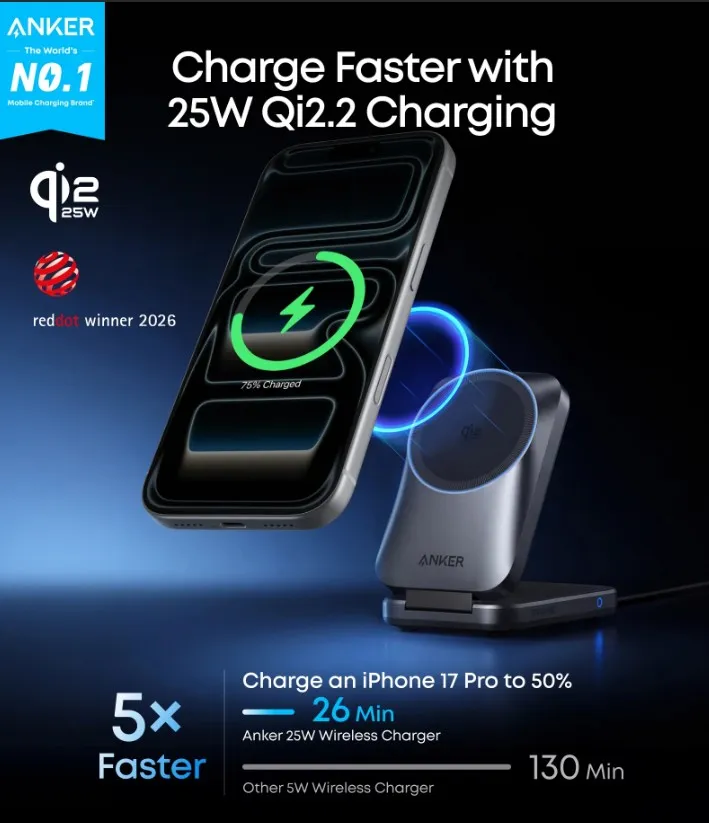
Charging speed strongly affects how quickly wireless chargers can recharge smartphones, earbuds, and other compatible devices during daily use, with higher power output reducing waiting time during busy schedules. Many modern chargers also support advanced fast charging technologies to improve efficiency for compatible devices and accessories. The Anker Prime Wireless Charging Station enhances charging convenience with 25W of power and Anker’s most advanced fast recharging technology, helping devices charge more efficiently while maintaining reliable performance. Features such as intelligent power adjustment and compatibility support also improve charging safety, convenience, and overall user experience during work, travel, and everyday device usage.
Device Compatibility, Qi Certification, and Magnetic Alignment
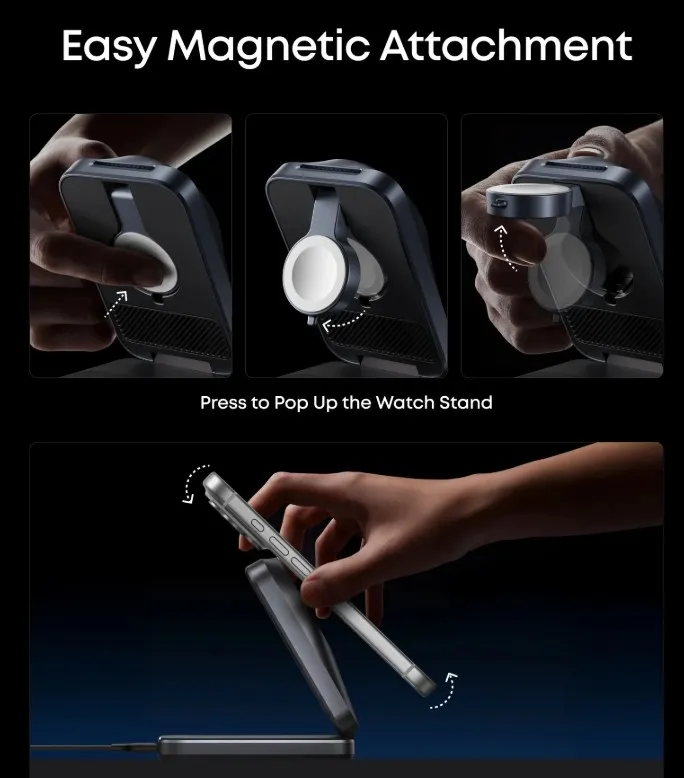
Wireless charger compatibility affects how well it works with smartphones, earphones, smartwatches, and other rechargeable gadgets. Many wireless chargers are Qi-certified, ensuring interoperability and safety across brands and devices. Qi-certified chargers operate more reliably and avoid overheating and disruptions. Magnetic alignment systems enhance charging efficiency and connection stability. Chargers with magnetic attachments automatically position compatible cellphones for optimum charging. Buyers should check supported devices, charging standards, and magnetic alignment systems before buying. Strong compatibility and constant alignment promote charging stability, efficiency, and user comfort throughout everyday device charging.
Safety Features, Heat Management, and Charging Efficiency
Safety features strongly affect wireless charger reliability and long-term device protection during charging sessions. For operational safety, current chargers include overload protection, temperature monitoring, foreign object identification, and automated power adjustment. Because wireless charging creates more heat than conventional charging over time, heat control is crucial. Cooling systems and optimised charging circuits decrease overheating and stabilise charging. A poorly constructed charger might waste energy or delay charging. Before buying a charger, examine safety, cooling, and energy economy. Strong heat management and reliable safety mechanisms increase charging stability, safeguard connected devices, and provide safer long-term wireless charging.
How Do You Choose the Best Wireless Charger for Daily Use?
Wireless Charging Pads vs. Stands vs. Multi-Device Chargers
Based on charging habits and workplace preferences, wireless charger designs provide distinct benefits. Due to their small setup area, wireless charging mats are ideal for bedside tables, workstations, and travel. While charging, users may watch videos, receive calls, and read alerts. In homes or workplaces with many devices, multi-device chargers reduce cable clutter and improve convenience by charging smartphones, earphones, and smartwatches simultaneously. Buyers should weigh charging demands, space, and device amount before choosing a charger. Time after time, the correct charger design enhances organisation, use, and charging ease for work, travel, and home entertainment.
Portability, Cable Management, and Travel-Friendly Design
Users often transport wireless chargers between home, workplace, hotels, and vacation locations, making portability crucial. Compact and lightweight chargers fit in bags, backpacks, and baggage without adding bulk. Detachable cables and foldable designs increase mobility and storage space. Organised charging configurations decrease clutter and enhance the workstation’s look during daily usage, affecting convenience. Wireless chargers with magnetic cable organisers or cable channels facilitate storage and mobility. Charger size, cable design, and mobility should be considered before buying. Travel-friendly wireless chargers simplify setup, increase convenience, and organise charging surroundings for everyday usage and travel.
Build Quality, Durability, and Long-Term Charging Performance
Build quality substantially impacts wireless charger performance after regular usage and long-term charging cycles. Chargers are protected against wear, overheating, and charging interruptions by durable materials, strengthened charging surfaces, and sturdy internal components. Heavy construction and anti-slip surfaces stabilise devices while charging and minimise inadvertent movement. Long-term charging performance relies on efficient internal circuitry, stable power management, and high-quality construction. Low-quality chargers may overheat, stall charging, or lose performance over time. Comparing material quality, safety certificates, and warranty support before buying is important. Durable wireless chargers provide superior dependability, safety, and long-term value for daily device charging.
Conclusion
Wireless chargers provide easy and organised charging options for smartphones, earphones, smartwatches, and other connected gadgets. Features like rapid charging support, Qi certification, robust safety systems, and device compatibility have a significant impact on overall charging performance and customer happiness. Before deciding on a charger, buyers should consider its design, mobility, heat control, and durability. diverse wireless charger models cater to diverse workplaces, travel habits, and multi-device charging requirements. Understanding the most important wireless charger features enables users to select dependable charging accessories that improve convenience, reduce cable clutter, support safer charging performance, and provide more consistent long-term charging experiences during daily home, office, travel, and entertainment activities over time.
