
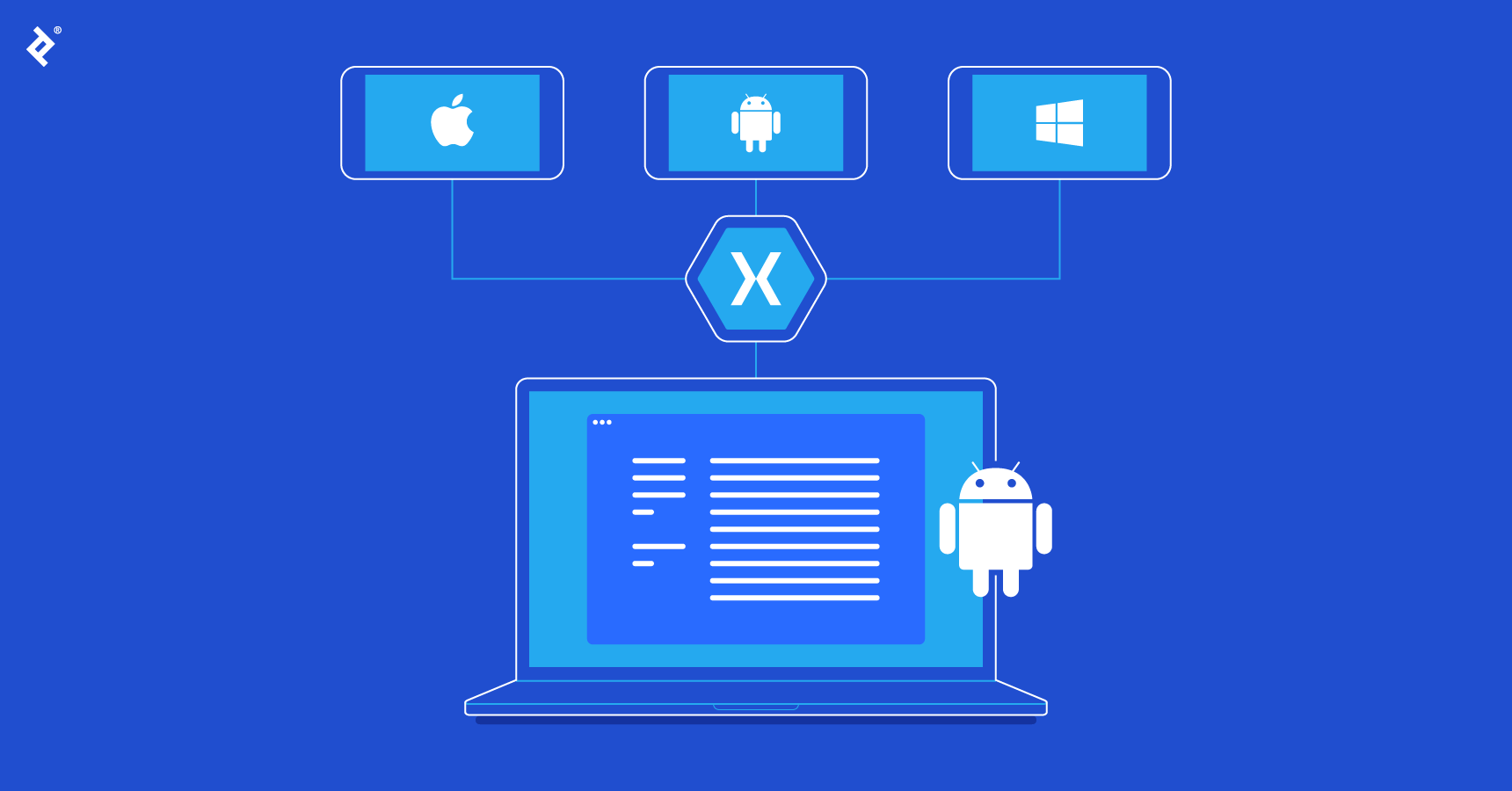
The enterprise mobile development landscape has never been more competitive. With businesses demanding apps that work flawlessly across iOS, Android, and Windows without the budget to build three separate native codebases cross-platform frameworks have become mission-critical. And while newer frameworks like Flutter and React Native often steal the spotlight, Xamarin continues to power some of the most robust, scalable, and secure enterprise applications in the world.
So why do so many forward-thinking companies still choose to hire Xamarin developers? The answer lies in a combination of technical maturity, deep Microsoft ecosystem integration, and proven enterprise-grade performance that younger frameworks simply haven’t had time to earn.
What Makes Xamarin Different
Xamarin is not just another cross-platform toolkit. Built on the .NET framework and backed by Microsoft, Xamarin allows developers to write shared business logic in C# while producing truly native UI experiences on each platform. This is a critical distinction.
Unlike JavaScript-based frameworks that rely on bridge layers or web views, Xamarin compiles down to native code. The result is performance that rivals hand-crafted native apps a non-negotiable requirement for industries like banking, healthcare, logistics, and manufacturing where milliseconds and data integrity matter.
The shared codebase advantage is equally significant. Xamarin developers can reuse up to 90% of application code across platforms, dramatically reducing development time and long-term maintenance costs. For large enterprises managing complex feature sets, this efficiency is not just convenient it is a strategic financial advantage.
Deep Enterprise Ecosystem Integration
Enterprises run on Microsoft. Azure, Active Directory, SQL Server, Office 365, SharePoint these are the tools that power global organizations. Xamarin’s tight integration with the Microsoft stack means enterprise Xamarin apps can connect to these services with minimal friction.
Authentication via Azure Active Directory, real-time data sync through Azure App Services, push notifications via Azure Notification Hubs all of these work seamlessly within the Xamarin environment. For IT departments that have standardized on Microsoft infrastructure, this native interoperability reduces integration risk and shortens deployment timelines significantly.
This is a key reason why enterprises in regulated industries specifically choose to hire Xamarin developers rather than pivot to other frameworks. The security compliance tools, enterprise mobility management (EMM) support, and Microsoft Intune integration that come with Xamarin are features that take years to build trust in and Xamarin has already built that trust.
Performance That Enterprises Can Rely On
One of the most persistent myths in mobile development is that cross-platform always means performance compromise. Xamarin shatters this assumption.
Because Xamarin compiles to native ARM code and uses the platform’s actual native UI components, the performance gap between Xamarin and fully native apps is negligible for the vast majority of enterprise use cases. Complex data processing, offline capabilities, background services, and hardware access camera, GPS, biometrics, Bluetooth all work with the same level of reliability you’d expect from a native application.
For enterprise apps managing inventory at scale, processing financial transactions, or enabling field workers in low-connectivity environments, this reliability is not a feature it is a baseline requirement. Xamarin meets it consistently.
Long-Term Maintainability and Developer Talent
C# is one of the most mature, well-documented, and widely adopted programming languages in the enterprise world. Organizations that already employ .NET developers can transition many of those professionals into mobile development with Xamarin, leveraging existing knowledge bases rather than acquiring entirely new skill sets.
This continuity matters for long-term project health. Large enterprise applications live for years, often decades. Codebases need to be maintained, extended, and audited by teams that may change over time. Xamarin’s use of C# and standard object-oriented design patterns ensures that enterprise codebases remain readable, testable, and maintainable by any competent .NET developer not just specialized mobile engineers.
The MAUI evolution (Multi-platform App UI), Microsoft’s successor framework built directly on Xamarin’s foundation, also ensures that investments in Xamarin code are forward-compatible. Companies are not building on a dead end they are building on a foundation that Microsoft continues to invest in and evolve.
When to Hire Xamarin Developers
The decision to hire Xamarin developers makes the most sense when your organization needs one or more of the following:
- Microsoft Stack Alignment: Your backend relies on Azure, SQL Server, or Office 365.
- Strict Security and Compliance: You operate in healthcare (HIPAA), finance (PCI-DSS), or government sectors requiring auditable, verifiable code.
- Enterprise-Scale Complexity: Your app involves complex workflows, offline data sync, or deep device hardware integration.
- Cross-Platform Parity: You need iOS and Android apps that deliver identical functionality and performance without maintaining two separate codebases.
- Long-Term Investment: You are building an application that needs to scale and evolve over a multi-year roadmap.
For these scenarios, Xamarin is not a legacy choice it is a strategic one.
Conclusion
Xamarin’s staying power in enterprise mobile development is no accident. It delivers what enterprises actually need: native performance, deep Microsoft integration, robust security support, maintainable C# codebases, and a proven track record across critical industries. As businesses continue to demand mobile solutions that are scalable, secure, and sustainable, Xamarin developers remain among the most valuable professionals you can bring onto your team.
If your organization is evaluating cross-platform mobile development options, the case to hire Xamarin developers is clear not because it’s trendy, but because it works.
