
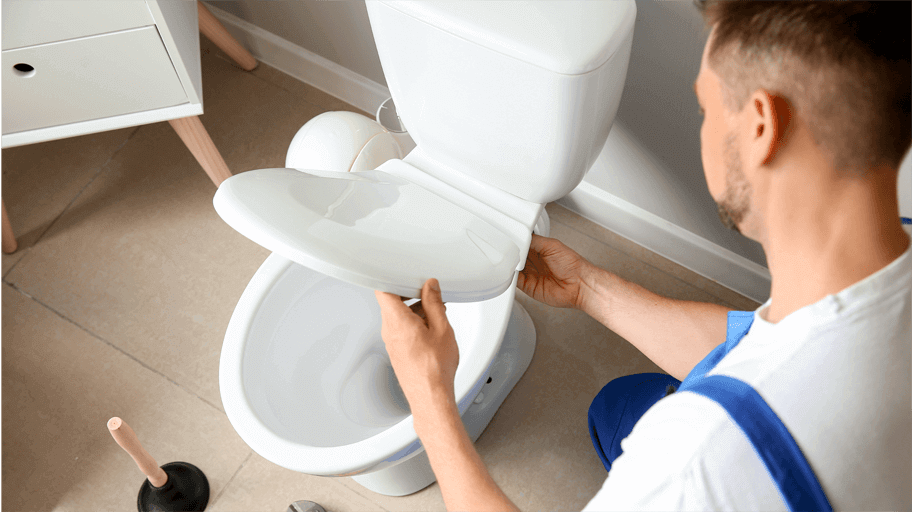
Why Toilets Become Blocked
A blocked toilet is one of the most frustrating household problems because it can happen suddenly and create a messy situation. Many homeowners experience toilet blockages due to excessive toilet paper, wet wipes, sanitary products, or small objects accidentally flushed down the drain. Even products labelled as flushable may not break down properly inside the pipes, causing a build-up over time. Understanding the common causes of a blockage is important because it helps prevent the same issue from happening again in the future.
In some homes, old plumbing systems and narrow pipes can also contribute to regular toilet blockages. Hard water deposits may slowly collect inside the drainage pipes and reduce water flow, making it easier for waste to become trapped. A blockage can start as a slow-draining toilet before developing into a complete clog that stops water from passing through entirely. Recognising the early warning signs allows you to fix the issue before it becomes more serious and expensive to repair.
Signs That Your Toilet Is Blocked
One of the clearest signs of a blocked toilet is rising water after flushing. Instead of draining away normally, the water level may increase quickly and take a long time to go down. Gurgling noises coming from the toilet bowl or nearby drains can also suggest trapped air inside the pipes. Unpleasant smells may begin to spread through the bathroom because waste cannot move correctly through the drainage system.
A partially blocked toilet often drains slowly while still remaining usable for a short period. Many people ignore these warning signs until the toilet becomes fully blocked and overflows onto the floor. If more than one drain in the house begins to act strangely, the issue may involve the main sewer line rather than a single toilet blockage. Identifying these symptoms early can help you choose the right solution and avoid unnecessary damage to your bathroom.
How to Unblock a Toilet Using a Plunger
Using a plunger is one of the simplest and most effective ways to unblock a toilet at home. A flange plunger designed specifically for toilets creates strong suction around the drain opening and helps move the blockage through the pipe. Before starting, ensure there is enough water in the bowl to cover the rubber head of the plunger. This creates better pressure and improves the effectiveness of the plunging action.
Place the plunger firmly over the drain and push down slowly before pulling back sharply. Repeat the motion several times while maintaining a tight seal around the drain opening. The pressure created by the movement can loosen toilet paper, waste, or other soft blockages trapped inside the pipe. After several attempts, flush the toilet carefully to see if the water drains normally again. If the blockage remains, repeat the process until the flow improves.
Using Hot Water and Washing Up Liquid
Hot water and washing up liquid offer a safe and natural solution for minor toilet blockages. Start by pouring a generous amount of washing up liquid directly into the toilet bowl and allow it to settle for several minutes. The soap works as a lubricant and helps soften waste materials or toilet paper trapped inside the drain. This method is especially useful for softer blockages that do not require heavy tools.
Fill a bucket with hot water, making sure the water is not boiling because boiling water may damage the toilet bowl. Carefully pour the hot water into the toilet from waist height to create additional pressure inside the pipe. Leave the mixture to sit for around fifteen minutes before flushing gently. In many cases, the blockage breaks apart naturally and allows the toilet to drain properly once again without professional assistance.
Natural Toilet Unblocking Methods
Many homeowners prefer natural cleaning methods because they avoid harsh chemicals that may damage plumbing systems. Baking soda and white vinegar create a fizzing reaction that can help break down mild blockages inside toilet pipes. Begin by pouring one cup of baking soda into the toilet bowl and then add two cups of vinegar slowly. The mixture will bubble and work through the blockage naturally over time.
Allow the solution to sit inside the toilet for at least thirty minutes before flushing. This method works well for organic waste and toilet paper build-up while also helping to remove unpleasant smells from the bathroom. Natural solutions are safer for households with children or pets because they reduce exposure to strong chemical cleaners. Repeating the process more than once may improve results if the blockage is particularly stubborn.
How to Use a Toilet Auger
A toilet auger, also known as a drain snake, is useful for removing deeper or more stubborn blockages. The tool contains a flexible cable designed to travel through curved toilet pipes without damaging the porcelain surface. Insert the auger carefully into the drain opening and begin turning the handle slowly. As the cable moves through the pipe, it can break apart or hook onto the blockage causing the issue.
Continue feeding the cable into the drain until resistance begins to decrease or the blockage moves. Slowly remove the auger while keeping the surrounding area clean and protected from splashes. Once finished, flush the toilet carefully to check whether water now drains correctly. Toilet augers are highly effective for removing objects or compacted waste that plungers cannot clear properly.
Mistakes to Avoid When Unblocking a Toilet
One common mistake people make is flushing the toilet repeatedly after noticing a blockage. Continuous flushing often causes the water level to rise higher and may result in overflowing water across the bathroom floor. Another mistake involves using excessive force with tools, which can damage pipes or crack the toilet bowl. Taking a calm and careful approach usually produces better results and prevents unnecessary repairs.
Chemical drain cleaners should also be used with caution because many contain harsh ingredients that may weaken plumbing systems over time. Strong chemicals can create dangerous fumes and may cause burns if splashed onto the skin. In some cases, chemical products harden the blockage further instead of removing it completely. Safer methods such as plungers, hot water, or natural cleaning solutions are often more effective and environmentally friendly.
Tips to Prevent Future Toilet Blockages
Preventing a blocked toilet is usually easier than fixing one after it occurs. Only flush toilet paper and human waste because other items can easily become trapped inside the drainage system. Wet wipes, cotton pads, nappies, and sanitary products should always be disposed of in a bin instead of being flushed. Teaching children proper toilet habits also reduces the chance of accidental blockages caused by toys or paper products.
Regular bathroom maintenance can also improve the condition of your plumbing system. Cleaning the toilet frequently and monitoring drainage speed helps identify small problems before they become serious. If your toilet regularly drains slowly, arranging a plumbing inspection may prevent expensive repairs in the future. Simple household habits and proper waste disposal play a major role in keeping toilets working efficiently for many years.
When You Should Call a Professional Plumber
Some toilet blockages cannot be solved using household methods and require professional assistance. If water backs up repeatedly after several attempts to clear the blockage, there may be a deeper issue within the drainage system. Multiple blocked drains throughout the home often indicate a problem with the main sewer line rather than the toilet itself. Persistent bad smells and unusual noises can also signal more serious plumbing complications.
Professional plumbers use specialist equipment such as drain cameras and high-pressure jetting systems to identify and remove difficult blockages safely. Hiring an expert early may prevent water damage, flooding, and costly structural repairs later. Experienced plumbers can also inspect older pipes and recommend improvements if recurring blockages continue to happen. Seeking professional help ensures the drainage system remains safe, hygienic, and fully functional.
FAQs
What is the fastest way to unblock a toilet?
The fastest method is usually using a toilet plunger because it creates strong suction that moves the blockage quickly. Hot water and washing up liquid may also help soften smaller clogs naturally.
Can I use bleach to unblock a toilet?
Bleach is not designed to remove toilet blockages and may not solve the problem effectively. Mechanical methods like plunging or using a toilet auger are usually more reliable.
Why is my toilet draining slowly?
Slow drainage often indicates a partial blockage caused by toilet paper, waste, or pipe build-up. Ignoring the issue may eventually lead to a complete blockage.
Is it safe to use a drain snake in a toilet?
Yes, a toilet auger is designed specifically for toilets and is safe when used carefully. It helps remove deeper blockages without damaging the pipes.
How can I stop my toilet from blocking again?
Only flush toilet paper and waste while avoiding wipes, nappies, and sanitary products. Regular maintenance and good bathroom habits greatly reduce the risk of future blockages.
Conclusion
Learning how to unblock a toilet is an essential household skill that can save both time and money. Simple methods such as plunging, using hot water, or applying natural cleaning solutions often clear common blockages successfully without professional help. Acting quickly when warning signs appear also prevents more serious drainage issues from developing later. Safe and careful techniques protect both the toilet and the surrounding plumbing system from unnecessary damage.
Although many blockages can be fixed at home, some situations require expert plumbing support. Persistent drainage problems, overflowing water, or multiple blocked drains should never be ignored because they may indicate larger sewer system issues. Maintaining good flushing habits and carrying out regular bathroom maintenance can greatly reduce the chance of future blockages. With the right approach, homeowners can keep their toilets functioning properly and avoid stressful plumbing emergencies.
