
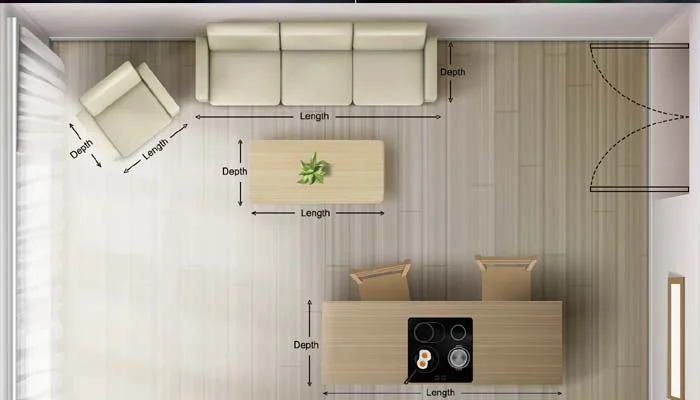
Why Measuring Your Room Properly Is Important
Buying furniture without checking room dimensions can quickly become frustrating and expensive. Many homeowners purchase beautiful furniture online or in stores only to realise it does not fit correctly once delivered. Learning how to measure room for furniture helps you avoid awkward layouts, blocked walkways, and overcrowded spaces. Accurate measurements also make your room look balanced and more visually appealing.
Proper room measurements are especially important in UK homes where space can often be limited. Flats, terraced houses, and compact bedrooms require careful planning before purchasing large furniture items. Measuring correctly allows you to choose furniture that improves comfort while still leaving enough movement space. It also prevents unnecessary returns, saving both time and money during the decorating process.
Essential Tools You Need for Measuring Furniture Space
Measuring a room does not require expensive equipment or professional help. A reliable tape measure, notebook, pencil, and calculator are usually enough for accurate results. Some homeowners also prefer laser measuring devices because they provide quick and precise measurements. Keeping all dimensions written clearly helps avoid confusion later when comparing furniture sizes.
Digital tools and mobile applications have also become popular for room planning. Many apps allow users to scan rooms and create simple floor plans directly from a smartphone. These tools can help visualise where furniture will fit before making a purchase. Combining traditional measuring methods with modern technology creates a much smoother furniture shopping experience.
How to Measure the Length and Width of a Room

The first step in measuring a room is checking the total length and width of the space. Use a tape measure to calculate the distance between opposite walls and write each figure down carefully. Measuring in centimetres is usually the best option because most UK furniture retailers use metric sizing. Double-checking your measurements ensures greater accuracy before purchasing furniture.
Rooms with unusual layouts may require additional measuring points for better precision. Open-plan areas, alcoves, and bay windows should all be measured separately to avoid mistakes. Dividing a room into smaller sections often makes measuring easier and more organised. Accurate dimensions create a better understanding of how furniture will fit within the available space.
Measuring Doorways, Hallways, and Staircases
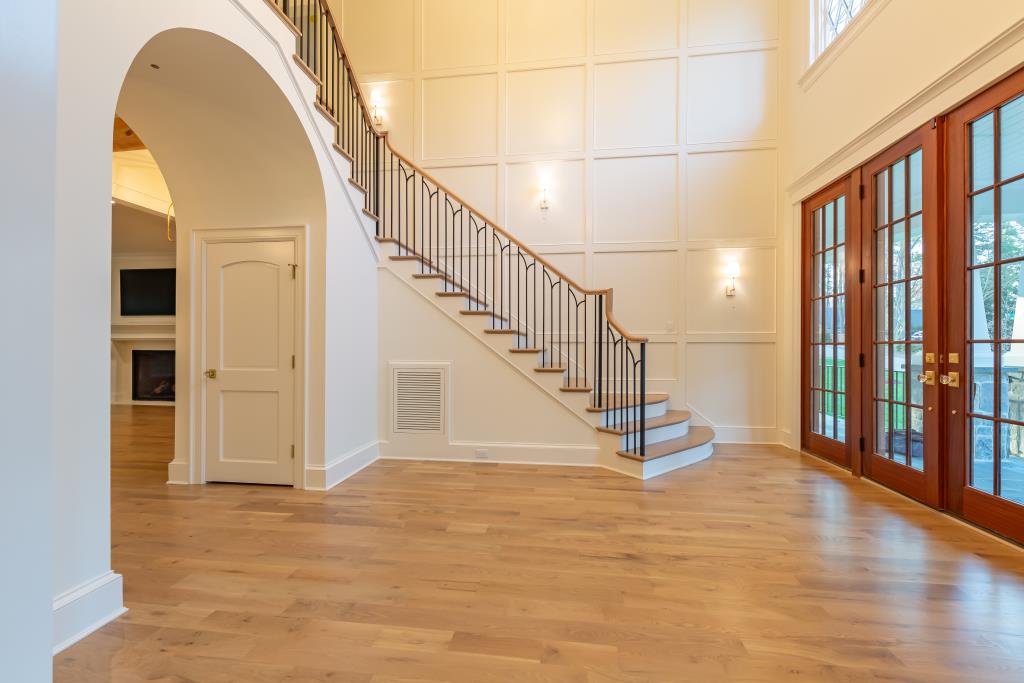
Many people focus only on the room itself and forget about access points around the home. Large sofas, beds, and wardrobes must fit through front doors, hallways, and staircases before reaching the intended room. Measuring these spaces helps prevent delivery issues and ensures furniture can be moved safely indoors. Access measurements are just as important as room dimensions.
Hallways and staircases should be checked carefully in multi-storey homes or compact flats. Pay attention to ceiling height, turning corners, and narrow passageways that could restrict movement. Some furniture arrives fully assembled and cannot easily be dismantled during delivery. Taking careful measurements beforehand helps avoid disappointment and unnecessary delivery complications later.
How to Measure for Sofas and Living Room Furniture
Sofas are usually the largest pieces of furniture in a living room and require careful planning. Begin by measuring the wall area where the sofa will sit and leave enough space for movement around it. Experts often recommend leaving at least 75 centimetres of walking space between furniture pieces. This creates a comfortable and practical living area.
You should also think about how the sofa interacts with coffee tables, television units, and armchairs. Furniture that is too close together can make a room feel cramped and difficult to use comfortably. Many interior designers suggest marking furniture dimensions on the floor using masking tape. This simple technique helps visualise spacing before buying anything expensive.
Measuring Bedrooms for Beds and Wardrobes
Bedrooms require accurate measurements because furniture must fit comfortably while still allowing easy movement. Start by measuring the bed area and ensure enough space remains for bedside tables and walking paths. A bedroom that feels overcrowded can reduce comfort and affect the overall atmosphere of the room. Careful planning creates a more relaxing environment.
Wardrobes and storage furniture also need special attention, particularly in smaller UK homes. Measure both wall height and floor space before purchasing tall furniture items. Sliding wardrobes can often save more space than traditional hinged doors in compact rooms. Smart measuring decisions help create better storage solutions without making the room feel restricted.
Creating a Practical Furniture Layout
A good furniture layout improves both appearance and functionality within the home. After measuring your room, sketch a simple floor plan and mark where key furniture items will be placed. Think carefully about windows, radiators, plug sockets, and natural light sources during planning. These details influence how comfortable and practical the room will feel.
Avoid placing oversized furniture against every wall because it can make the room appear smaller. Leaving some open areas creates balance and allows the room to feel brighter and more spacious. Multi-functional furniture pieces are also useful for homes with limited storage space. Good layout planning helps maximise comfort without sacrificing style or practicality.
Common Mistakes People Make When Measuring Rooms
One of the most common mistakes is forgetting to measure skirting boards, radiators, or window ledges. These features reduce available space and can affect how furniture fits against walls. Measuring only the central floor area often leads to incorrect furniture placement later. Taking detailed measurements from multiple points provides more reliable results.
Another mistake involves ignoring furniture clearance and movement space within the room. Doors, drawers, and wardrobes all require additional room to open properly. Some people also forget to measure ceiling height before purchasing tall furniture. Avoiding these simple mistakes helps create a smoother furniture buying process and prevents costly fitting problems.
Using Technology to Plan Furniture Placement
Modern technology has made room planning easier than ever for homeowners and renters. Many online furniture retailers now provide virtual room planners that allow customers to test layouts digitally. These tools help users compare furniture sizes with room dimensions before placing an order. Visual planning reduces uncertainty and improves buying confidence significantly.
Augmented reality applications are also becoming increasingly popular within the furniture industry. Some apps allow users to place digital furniture inside real rooms using a smartphone camera. This creates a realistic preview of how furniture may look once delivered. Combining digital planning with accurate measurements offers the best approach for successful room design.
Benefits of Measuring Your Room Before Buying Furniture
Measuring your room before shopping provides several long-term benefits for homeowners. Correct measurements reduce the risk of returns and help avoid purchasing furniture that overwhelms the space. Proper planning also improves comfort, movement, and the overall visual balance of the room. A well-measured space feels more organised and welcoming.
Accurate room measurements can also save money by preventing unnecessary purchases or replacement costs. Furniture that fits correctly often lasts longer because it functions properly within the available space. Measuring carefully also encourages smarter buying decisions when shopping online. Overall, planning ahead creates a far more enjoyable furniture shopping experience.
FAQs
How do I measure a room for furniture accurately?
Measure the room length, width, and height carefully using a tape measure or laser tool. Record all dimensions clearly and include access points such as doors and hallways. Double-check every measurement before purchasing furniture online or in store.
What space should I leave around furniture?
Most interior designers recommend leaving around 75 centimetres of walking space around large furniture items. This creates a comfortable layout and improves movement within the room. Smaller rooms may require more compact arrangements depending on available space.
Why should I measure doorways before buying furniture?
Large furniture items may not fit through narrow doorways, staircases, or hallways during delivery. Measuring these areas helps prevent fitting problems and avoids unnecessary return costs. Access measurements are essential for stress-free furniture delivery.
Can I use apps to measure my room?
Yes, many smartphone apps allow users to measure rooms and create digital floor plans easily. These tools are useful for testing furniture layouts before purchasing items. Combining apps with manual measurements usually provides the best results.
What is the biggest mistake when measuring rooms?
One of the biggest mistakes is ignoring furniture clearance and movement space. People often forget about radiators, skirting boards, and door openings when measuring. Small measuring errors can lead to significant fitting problems later.
Conclusion
Understanding how to measure room for furniture is an essential step before buying any new items for your home. Accurate measurements help create balanced layouts, improve comfort, and prevent costly purchasing mistakes. Measuring carefully also ensures furniture can fit through doorways and work practically within the available space. Proper planning creates a smoother and more enjoyable decorating experience.
If you’re furnishing a compact bedroom, guest room, or multifunctional space, it’s also worth thinking beyond measurements alone. Choosing space-saving furniture, such as Murphy Beds, can dramatically improve the way a room functions. Murphy Beds fold neatly away when not in use, freeing up valuable floor space for working, exercising, or everyday living. By making the most of the available space, you may even avoid the need for a larger home or additional furniture, helping you save money in the long run while creating a more flexible and organised living environment.
